The defence The Sentimental Softie
“Sincerity is not manipulation.”
The film risks embarrassment to make emotion communal, and that openness is harder than fashionable detachment.

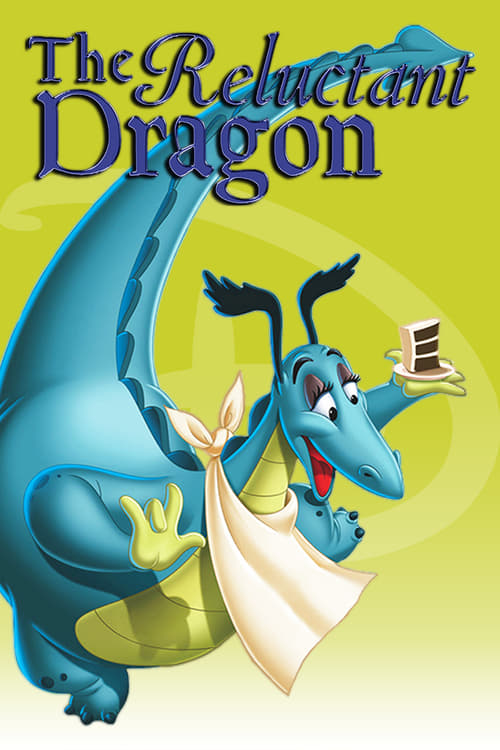
The Reluctant Dragon
Animation · Family · Comedy · 1941
Humorist Robert Benchley attempts to find Walt Disney to ask him to adapt a short story about a gentle dragon who would rather recite poetry than be ferocious. Along the way, he is given a tour of Walt Disney Studios, and learns about the animation process.
“The big feature show with a thousand surprises!”
Critical arithmetic
Scores change. Arguments endure.
TMDB
6.6 / 10
Community rating
Humorist Robert Benchley attempts to find Walt Disney to ask him to adapt a short story about a gentle dragon who would rather recite poetry than be ferocious. Along the way, he is given a tour of Walt Disney Studios, and learns about the animation process.
Not a recommendation score. A measure of how closely the film’s taste signals resemble yours.
The archetype split
The Sentimental Softie
“You came to feel something, and you will.”
Read their caseThe Cool Ironist
“Feeling things is a little embarrassing.”
Read their objectionThe split comes from the same five-axis model used by the test, not audience ratings or review sentiment.
TMDB supplies the candidates. CriticWise reorders them by craft, strangeness, prestige, emotion, and pace.

Monster Family 2
Animation · 2021
To free Baba Yaga and Renfield from the clutches of Monster Hunter Mila Starr, the Wishbone Family once more transforms into a Vampire, Frankenstein's Monster, a Mummy and a Werewolf but when aided by their three pet bats, the Monster Family zooms around the world again to save their friends, make new monstrous acquaintances.
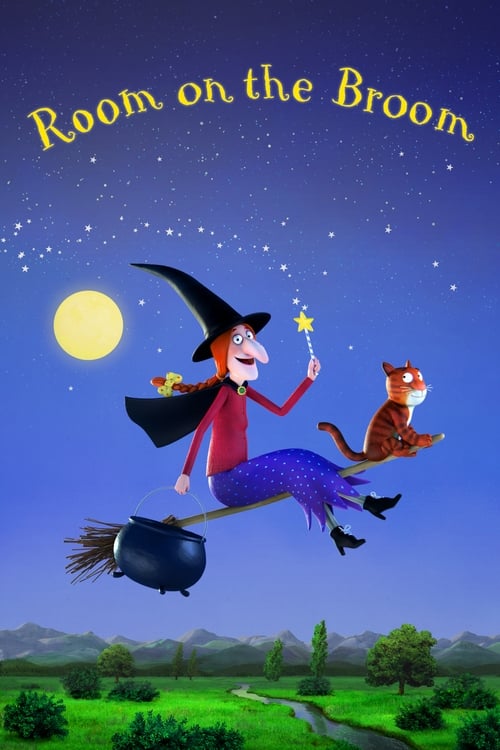
Room on the Broom
Family · 2012
Animated film based on the wonderful children's picture book written by Julia Donaldson and illustrated by Axel Scheffler. The story of a kind witch who invites a surprising collection of animals to join her on her broom, much to the frustration of her cat. The gang ultimately saves the witch from a fearsome dragon, and in gratitude she rewards them with a magnificent new broom which has room for everyone. A magical tale about friendship and family from Magic Light Pictures, the producers of the hugely successful The Gruffalo and The Gruffalo's Child.

The Inseparables
Animation · 2023
The animated buddy movie follows the misadventures of Don, a runaway puppet with boundless imaginations, and DJ Doggy Dog, an abandoned plush looking for a friend, who cross paths in Central Park and team up against all odds for a epic friendship adventure in New York.

The Land Before Time IX: Journey to Big Water
Animation · 2002
Littlefoot befriends with a mysterious, fun-loving dolphin-like creature named Mo, who is trapped in "new water" caused by heavy rain. The gang then goes on an adventure to the "big water" to bring Mo home.
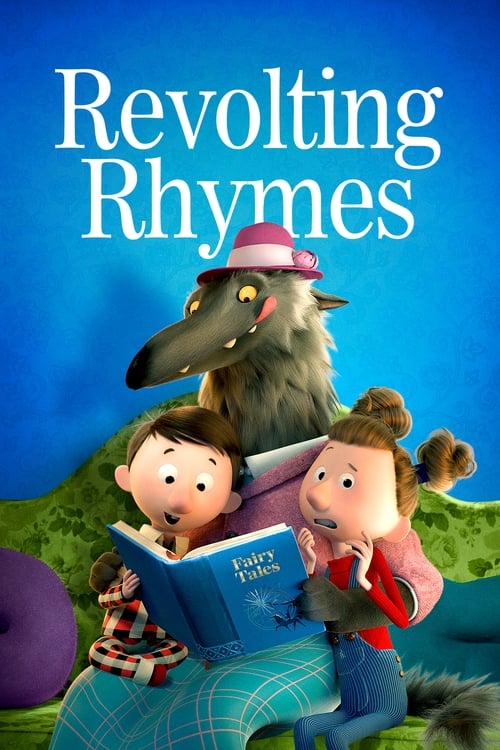
Revolting Rhymes
Family · 2017
Two half-hour animated films based on the much-loved rhymes written by Roald Dahl and illustrated by Quentin Blake.

Cars Toon Mater's Tall Tales
Family · 2008
Mater the tow truck travels from country to country as he retells his infamous but unbelievable stories.

Minions & More Volume 1
Animation · 2022
This collection of 10 short films produced by Illumination includes: From the "Despicable Me" franchise: Puppy (2013); Minion Scouts (2019); Training Wheels (2013); The Secret Life of Kyle (2017); Santa's Little Helpers (2019). From the "Grinch" franchise: The Dog Days of Winter (2019). From the "Secret Life of Pets" franchise: Norman Television (2016); Weenie (2016). From the "Sing" franchise: Love at First Sight (2017). From the "Lorax" franchise: Forces of Nature (2012).

Spellbound
Animation · 2024
When a powerful spell turns her parents into giant monsters, a teenage princess must journey into the wild to reverse the curse before it's too late.

Minions & More 2
Comedy · 2022
This collection of 11 short films produced by Illumination includes: From the "Despicable Me" franchise: Mower Minions (2016); Yellow Is the New Black (2018); Competition (2015); Cro Minion (2015); Binky Nelson Unpacified (2015); Panic in the Mailroom (2013). From the "Secret Life of Pets" franchise: Super Gidget (2019). From the "Sing" franchise: Eddie's Life Coach (2017); Gunter Babysits (2017). From the "Lorax" franchise: Serenade (2012); Wagon Ho! (2012).
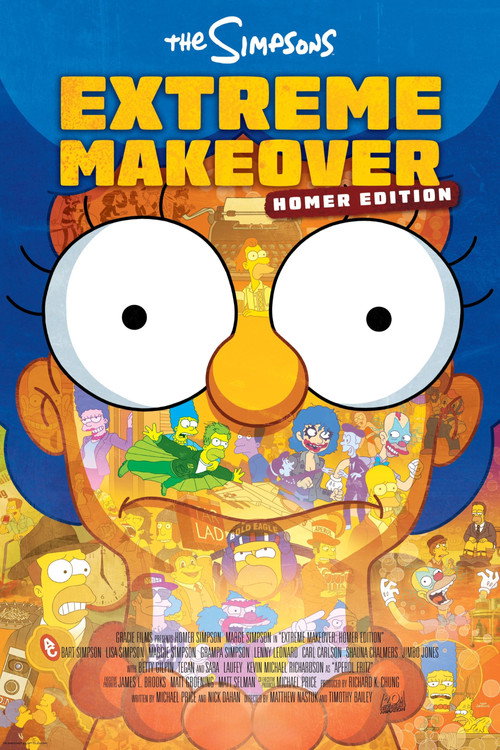
Extreme Makeover: Homer Edition
Animation · 2026
Homer and Marge's fun couples' date night goes off the rails when Marge learns Homer left the kids unsupervised with only the doorbell camera as a babysitter. Frustrated with her imperfect husband, a tipsy Marge stirs up a trilogy of fantasies of a different Homer.
Cinema release signals and current streaming, rental, and purchase options for your region.
Streaming availability data supplied by JustWatch.
Cast & crew
Directed by
Alfred L. Werker · Hamilton Luske
Written by
Larry Clemmons · Al Perkins · William Cottrell · Kenneth Grahame

Robert Benchley
Robert Benchley

Frances Gifford
Doris
Buddy Pepper
Humphrey

Nana Bryant
Mrs. Benchley
Claud Allister
Sir Giles (segment "The Reluctant Dragon") (voice)

Barnett Parker
Dragon (segment "The Reluctant Dragon") (voice)

Billy Lee
Boy (segment "The Reluctant Dragon") (voice)
Two incompatible taste archetypes. One film. Read the arguments, then issue a completely binding cultural ruling.
“Sincerity is not manipulation.”
The film risks embarrassment to make emotion communal, and that openness is harder than fashionable detachment.
“The strings are showing.”
Every cue tells you exactly what to feel and when, leaving sentiment to do the work character should have done.