The defence The Sentimental Softie
“Sincerity is not manipulation.”
The film risks embarrassment to make emotion communal, and that openness is harder than fashionable detachment.
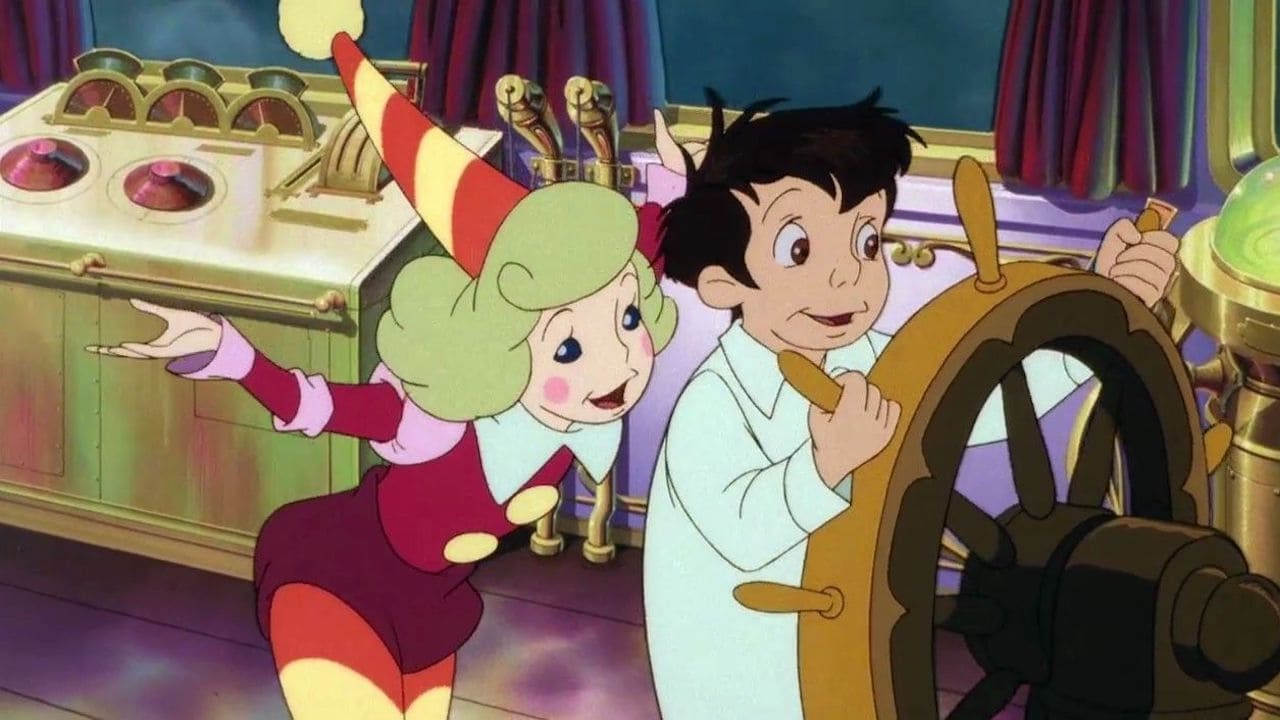
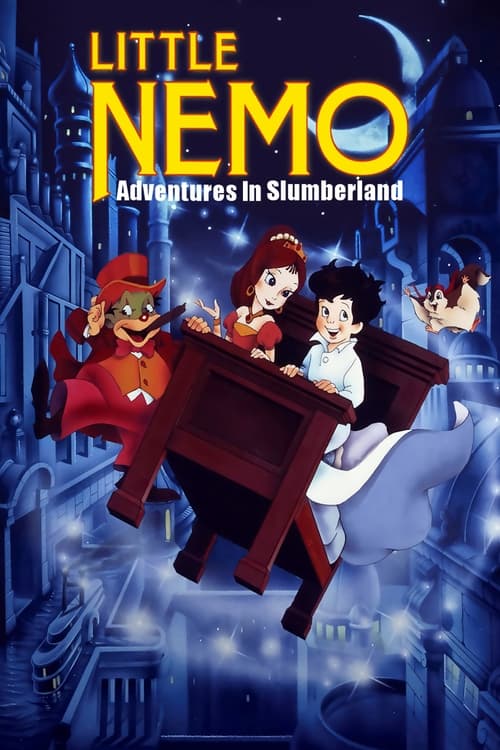
Little Nemo: Adventures in Slumberland
Adventure · Animation · Family · 1989
A little boy whose dreams transcend reality is sucked into his own fantasy, which is everything he has dreamed of, until he unleashes an old secret that may not only destroy this perfect dream world but reality itself.
“Take off on a wonderful adventure with "Little Nemo."”
Critical arithmetic
Scores change. Arguments endure.
TMDB
6.9 / 10
Community rating
A little boy whose dreams transcend reality is sucked into his own fantasy, which is everything he has dreamed of, until he unleashes an old secret that may not only destroy this perfect dream world but reality itself.
Not a recommendation score. A measure of how closely the film’s taste signals resemble yours.
The archetype split
The Sentimental Softie
“You came to feel something, and you will.”
Read their caseThe Cool Ironist
“Feeling things is a little embarrassing.”
Read their objectionThe split comes from the same five-axis model used by the test, not audience ratings or review sentiment.
Cinema release signals and current streaming, rental, and purchase options for your region.
Streaming availability data supplied by JustWatch.
Cast & crew
Directed by
Masami Hata · William T. Hurtz · Masanori Hata
Written by
Ray Bradbury · Richard Outten · Jean Giraud · Chris Columbus
Takuma Gono
Nemo (voice)

Chikao Ohtsuka
Flip (voice) / Professor Genius (voice)

Hiroko Kasahara
Princess Camille (voice)

Kenji Utsumi
King Morpheus (voice)

Taro Ishida
Nightmare King (voice)

Tessyo Genda
Nemo's Father (voice)

Mari Yokoo
Nemo's Mother (voice)
Two incompatible taste archetypes. One film. Read the arguments, then issue a completely binding cultural ruling.
“Sincerity is not manipulation.”
The film risks embarrassment to make emotion communal, and that openness is harder than fashionable detachment.
“The strings are showing.”
Every cue tells you exactly what to feel and when, leaving sentiment to do the work character should have done.