The defence The Popcorn Loyalist
“Sincerity is not manipulation.”
The film risks embarrassment to make emotion communal, and that openness is harder than fashionable detachment.


Alexander and the Terrible, Horrible, No Good, Very Bad Day
Family · Comedy · 2014
Alexander's day begins with gum stuck in his hair, followed by more calamities. Though he finds little sympathy from his family and begins to wonder if bad things only happen to him, his mom, dad, brother, and sister all find themselves living through their own terrible, horrible, no good, very bad day.
“One day can change everything.”
Critical arithmetic
Scores change. Arguments endure.
TMDB
6.2 / 10
Community rating
Alexander's day begins with gum stuck in his hair, followed by more calamities. Though he finds little sympathy from his family and begins to wonder if bad things only happen to him, his mom, dad, brother, and sister all find themselves living through their own terrible, horrible, no good, very bad day.
Not a recommendation score. A measure of how closely the film’s taste signals resemble yours.
The archetype split
The Popcorn Loyalist
“Big screen, big feelings, no apologies.”
Read their caseThe Big-Idea Head
“You watch with your brain, not your gut.”
Read their objectionThe split comes from the same five-axis model used by the test, not audience ratings or review sentiment.
TMDB supplies the candidates. CriticWise reorders them by craft, strangeness, prestige, emotion, and pace.
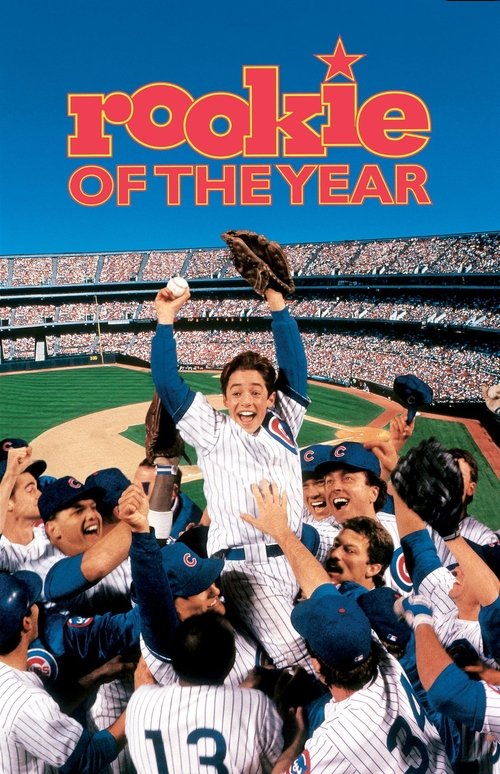
Rookie of the Year
Family · 1993
When the cast comes off his once broken arm, a 12-year-old boy can throw a 100-mile-an-hour fastball, and the Chicago Cubs want him as their new pitcher.
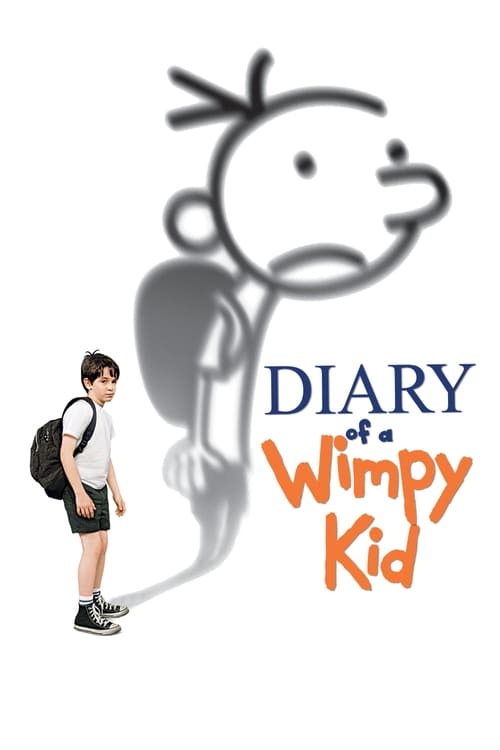
Diary of a Wimpy Kid
Comedy · 2010
Greg Heffley is headed for big things, but first he has to survive the scariest, most humiliating experience of any kid’s life – middle school! That won’t be easy, considering he’s surrounded by hairy-freckled morons, wedgie-loving bullies and a moldy slice of cheese with nuclear cooties!
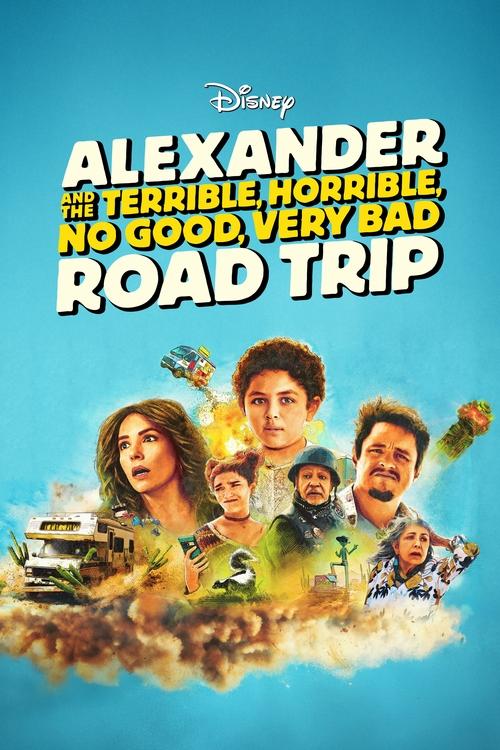
Alexander and the Terrible, Horrible, No Good, Very Bad Road Trip
Family · 2025
Eleven-year-old Alexander and his family embark on a dream Spring Break vacation to Mexico City only to have all their plans go terribly wrong when they discover a cursed idol.
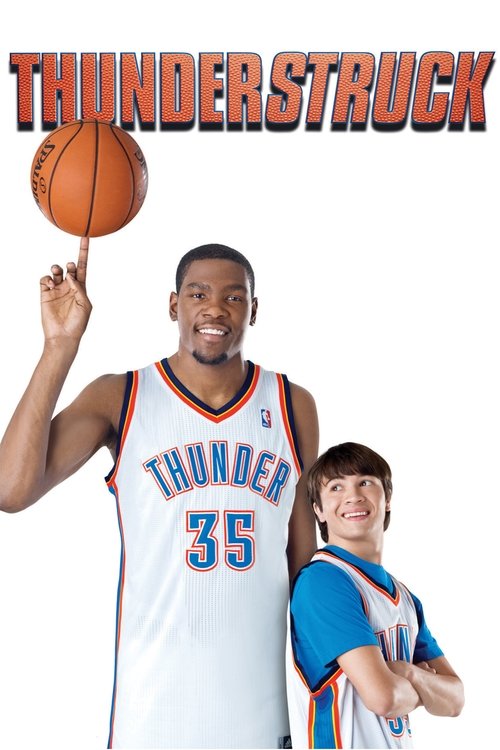
Thunderstruck
Comedy · 2012
After NBA star Kevin Durant switches talent with 16 year old Brian, the teenager becomes the star of his high school team, but Durant starts struggling and eventually learns an important lesson.
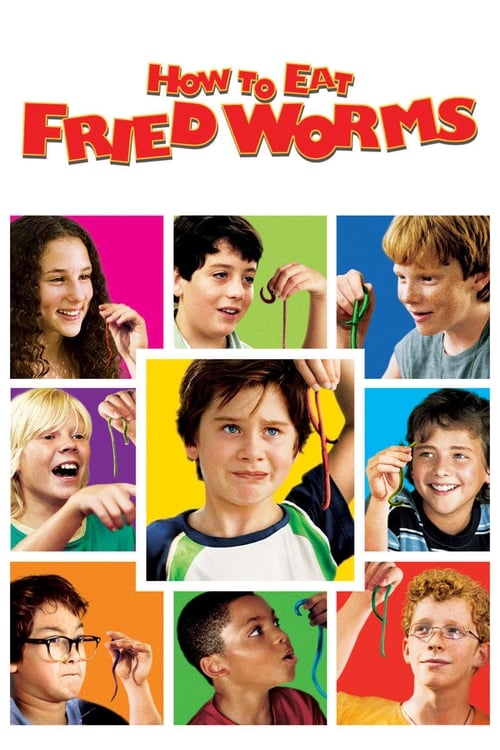
How to Eat Fried Worms
Comedy · 2006
During the first day of his new school year, a fifth grade boy squares off against a bully and winds up accepting a dare that could change the balance of power within the class.

Beverly Hills Chihuahua 2
Comedy · 2011
Puppy mayhem turns the lives of newlywed Chihuahua parents Papi and Chloe upside down when their rambunctious, mischievous puppies present one challenge after another. But when their human owners end up in trouble, the tiny pups will stop at nothing to save them - because in good times and hard times, the family always sticks together. So Papi, Chloe and the puppies embark on a heroic adventure, proving once again that big heroes come in small packages.
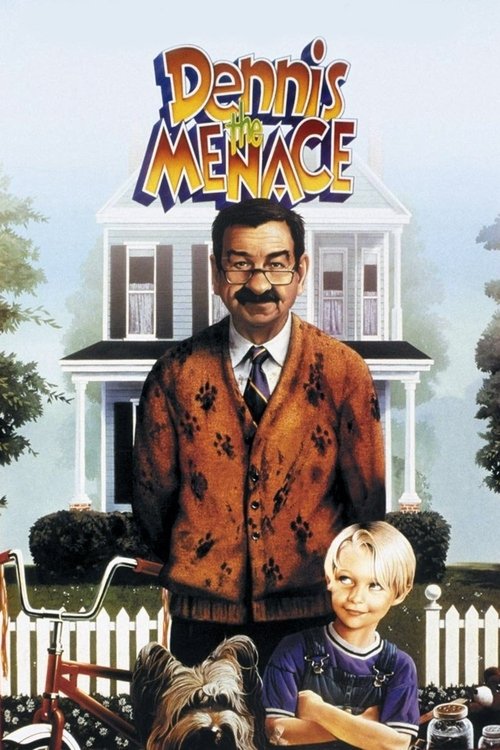
Dennis the Menace
Family · 1993
Mr. Wilson's ever-present annoyance comes in the form of one mischievous kid named Dennis. But he'll need Dennis's tricks to uncover a collection of gold coins that go missing when a shady drifter named Switchblade Sam comes to town.

Pups Alone
Family · 2021
After receiving an exciting new job opportunity at a cutting edge Pet Invention company, Robert, his teenage daughter Jenna and their trusty and special border collie Charlie make the move to the new neighborhood, right before Christmas. Upon arriving, Robert meets his gorgeous next door neighbor Holly, and her sassy and spunky border collie Gidget. Before the sparks can fly, they are set upon my Robert’s conniving and obnoxious next door neighbor and project manager Victor, his neighborhood bully bulldog “Vinnie P” and the sycophantic sidekick Chihuahua “Jose”.
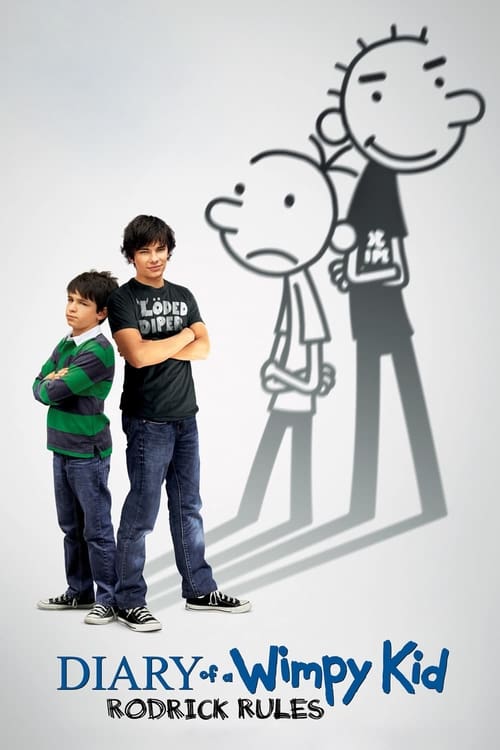
Diary of a Wimpy Kid: Rodrick Rules
Family · 2011
Wimpy Greg Heffley, now in seventh grade, thinks he has it all together. He has mastered middle school and gotten rid of the Cheese Touch. However, Greg's older brother, Rodrick, is itching to cut him down to size. He gets the perfect opportunity when their mother tries to force the boys to bond. Rodrick may be Greg's chief tormentor, but he feels his constant pranks are just what his little brother needs to prepare him for life's hard knocks.
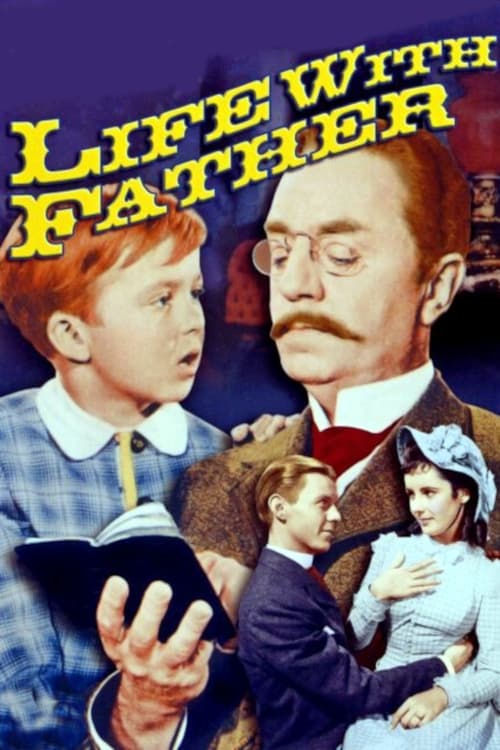
Life with Father
Comedy · 1947
A straitlaced turn-of-the-century father presides over a family of boys and the mother who really rules the roost.
Cinema release signals and current streaming, rental, and purchase options for your region.
Streaming availability data supplied by JustWatch.
Cast & crew
Directed by
Miguel Arteta
Written by
Rob Lieber

Ed Oxenbould
Alexander Cooper

Steve Carell
Ben Cooper

Jennifer Garner
Kelly Cooper

Dylan Minnette
Anthony Cooper

Kerris Dorsey
Emily Cooper
Elise Vargas
Baby Trevor
Zoey Vargas
Baby Trevor
Two incompatible taste archetypes. One film. Read the arguments, then issue a completely binding cultural ruling.
“Sincerity is not manipulation.”
The film risks embarrassment to make emotion communal, and that openness is harder than fashionable detachment.
“The strings are showing.”
Every cue tells you exactly what to feel and when, leaving sentiment to do the work character should have done.