The defence The Popcorn Loyalist
“Sincerity is not manipulation.”
The film risks embarrassment to make emotion communal, and that openness is harder than fashionable detachment.


Return to Nim's Island
Family · Adventure · 2013
Fourteen year old Nim, more determined than ever to protect her island and all the wildlife that call it home, faces off against resort developers and animal poachers. Soon she realizes she can’t depend on her animal cohorts alone and must make her first human friend – Edmund, who’s run away to the island from the mainland – to save her home.
“Adventure runs wild, again.”
Critical arithmetic
Scores change. Arguments endure.
TMDB
6.5 / 10
Community rating
Fourteen year old Nim, more determined than ever to protect her island and all the wildlife that call it home, faces off against resort developers and animal poachers. Soon she realizes she can’t depend on her animal cohorts alone and must make her first human friend – Edmund, who’s run away to the island from the mainland – to save her home.
Not a recommendation score. A measure of how closely the film’s taste signals resemble yours.
The archetype split
The Popcorn Loyalist
“Big screen, big feelings, no apologies.”
Read their caseThe Cool Ironist
“Feeling things is a little embarrassing.”
Read their objectionThe split comes from the same five-axis model used by the test, not audience ratings or review sentiment.
TMDB supplies the candidates. CriticWise reorders them by craft, strangeness, prestige, emotion, and pace.
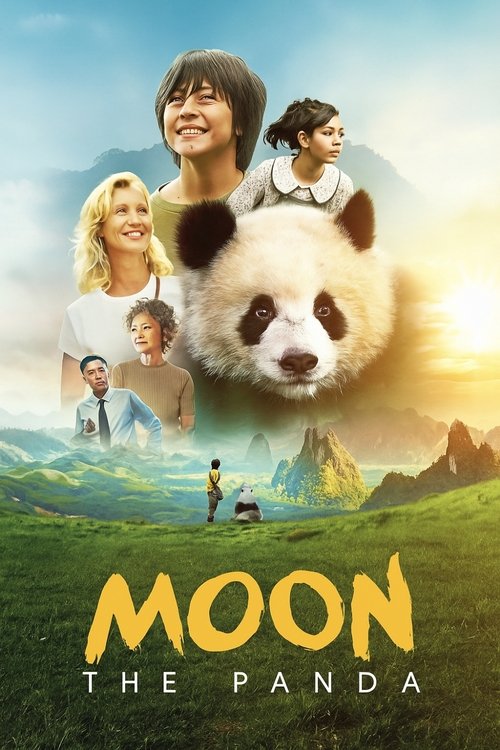
Moon the Panda
Family · 2025
Due to his poor academic performance, twelve-year-old Tian is sent to live with his grandmother in the remote mountains of Sichuan. Far from the hustle and bustle of the city, he finds himself immersed in nature and secretly befriends a panda cub he names Moon. Together, Tian and Moon embark on a journey of discovery and overcoming challenges. The boy is forced to confront his fears and, in the process, learns valuable lessons about courage, respect, and the profound bond between humankind and nature. This experience profoundly transforms Tian's life and fosters an unexpected family reconciliation.

iCarly: iGo to Japan
Comedy · 2008
Carly, Sam and Freddie kick off their adventure in Japan on a tin can of a plane packed with caged possums and piloted by Spencer's odd acquaintance.

Lassie
Family · 1994
On their way to start a new life at a sheep farm in rural Virginia, the Turner family are halted by a wreck on the highway that has claimed the life of a truck driver. Spotting the trucker's now-abandoned collie on the side of the road, they take pity on the dog and adopt her. As the city family copes with the change to rural life, including a feud with a neighboring farm family who resent the city interlopers, the ever-loyal Lassie helps them adjust to their new surroundings.
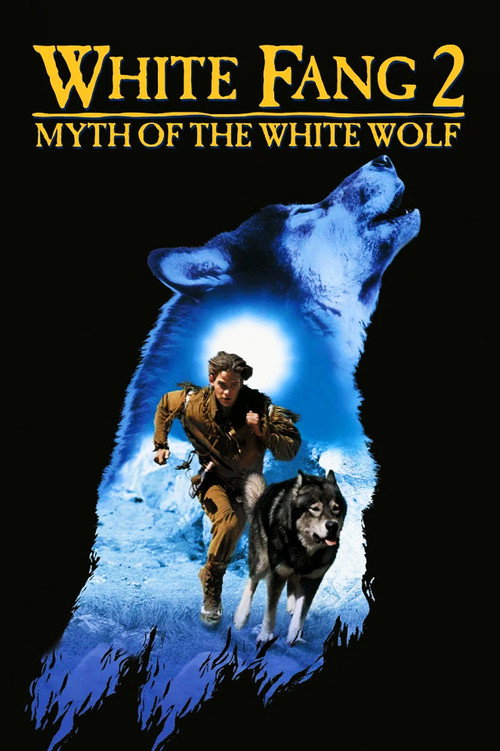
White Fang 2: Myth of the White Wolf
Adventure · 1994
A boy and his dog, White Fang, must try to save the noble Haida tribe from evil white men in turn-of-the-century Alaska.

Holiday in the Sun
Family · 2001
Sisters Alex and Madison are whisked away to the Bahamas for winter break but soon find themselves crossing paths with a man smuggling stolen artifacts.
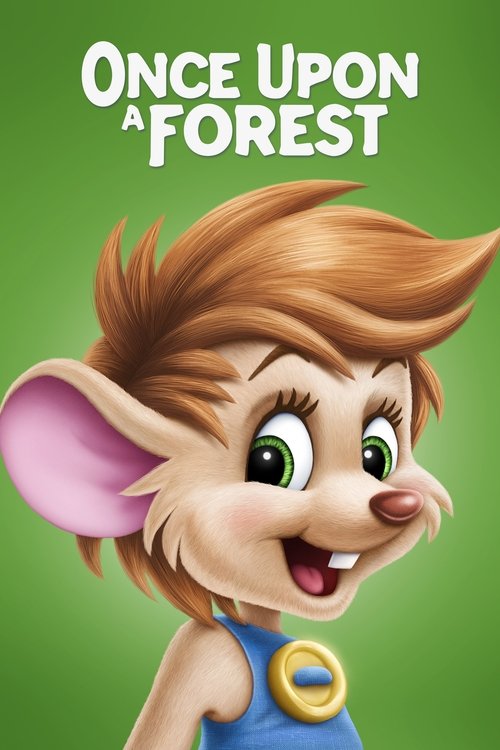
Once Upon a Forest
Animation · 1993
A young mouse, mole and hedgehog risk their lives to find a cure for their badger friend, who's been poisoned by men.
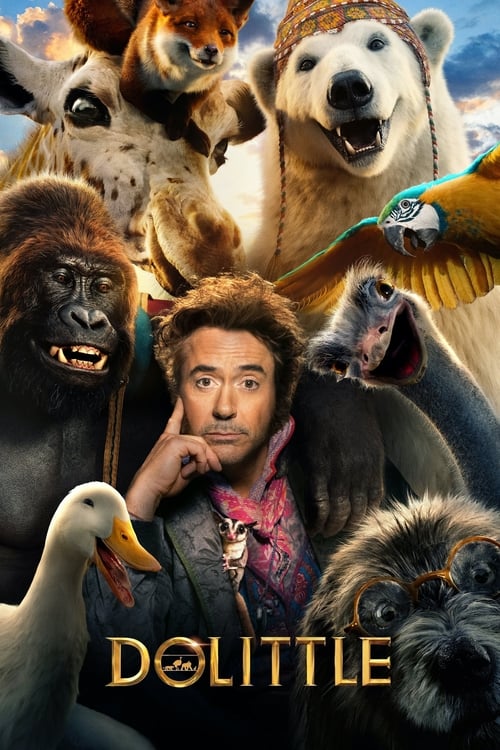
Dolittle
Family · 2020
After losing his wife seven years earlier, the eccentric Dr. John Dolittle, famed doctor and veterinarian of Queen Victoria’s England, hermits himself away behind the high walls of Dolittle Manor with only his menagerie of exotic animals for company. But when the young queen falls gravely ill, a reluctant Dolittle is forced to set sail on an epic adventure to a mythical island in search of a cure, regaining his wit and courage as he crosses old adversaries and discovers wondrous creatures.
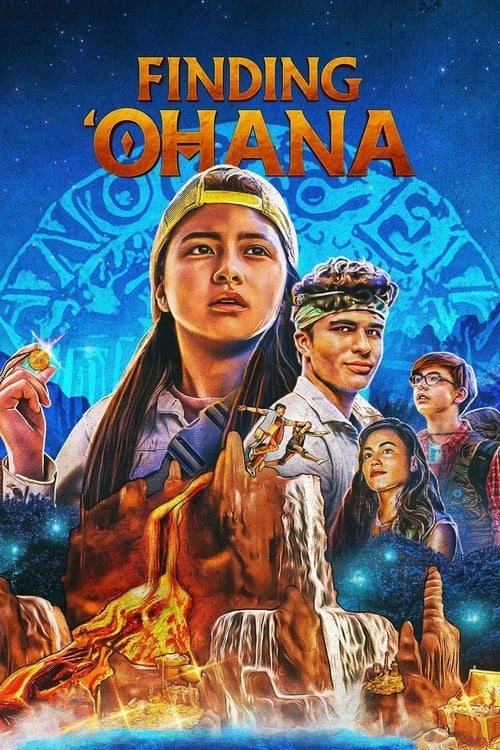
Finding ʻOhana
Adventure · 2021
Two Brooklyn siblings' summer in a rural Oahu town takes an exciting turn when a journal pointing to long-lost treasure sets them on an adventure, leading them to reconnect with their Hawaiian heritage.
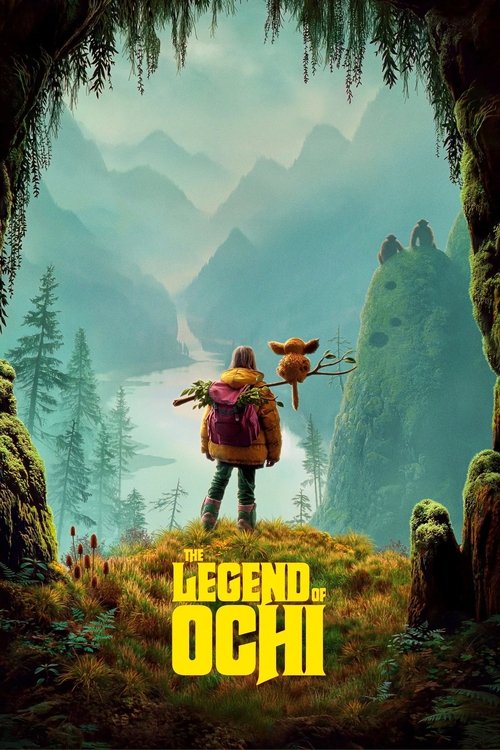
The Legend of Ochi
Family · 2025
In a remote village on the island of Carpathia, a shy farm girl named Yuri is raised to fear an elusive animal species known as ochi. But when Yuri discovers a wounded baby ochi has been left behind, she escapes on a quest to bring him home.
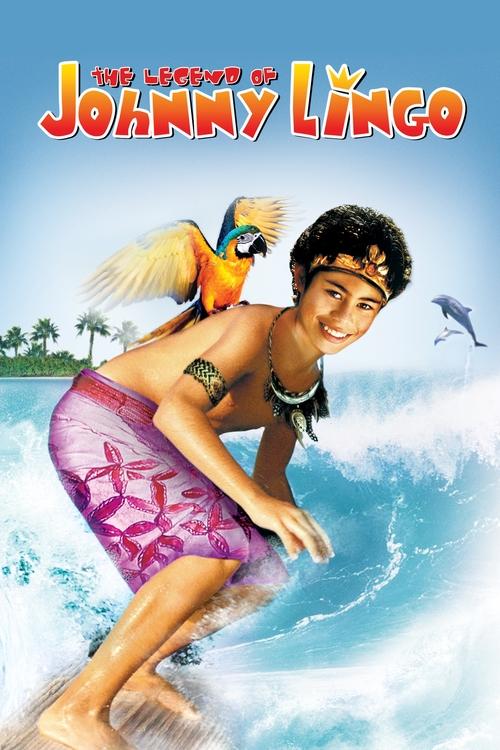
The Legend of Johnny Lingo
Family · 2003
When a storm washes a canoe bearing an infant boy ashore upon a small South Pacific island, he is at first well-received as a gift from the heavens, even to the point of the tribal chief adopting him as a successor. However, with time as hardships are blamed upon Tama (as he is named), he is finally outcast to live with the poorest people on the island, Mahana and her drunken father. Mahana is considered homely and undesirable, but Tama feels differently, so when he is old enough to build a craft to sail away, he vows to return for her one day. A lucky stroke brings him to land upon the island of the legendary Johnny Lingo, the wealthiest trader in the islands, and after years of service to him, Tama has learned much about life and himself as he dreams of honoring his pledge to Mahana.
Cinema release signals and current streaming, rental, and purchase options for your region.
Streaming availability data supplied by JustWatch.
Cast & crew
Directed by
Brendan Maher
Written by
Cathy Randall · Ray Boseley

Matthew Lillard
Jack

Bindi Irwin
Nim

Andrea Moor
Minister O'Hare

Jack Pearson
Ben

Toby Wallace
Edmund

Sebastian Gregory
Frankie

Nathan Derrick
Felix
Two incompatible taste archetypes. One film. Read the arguments, then issue a completely binding cultural ruling.
“Sincerity is not manipulation.”
The film risks embarrassment to make emotion communal, and that openness is harder than fashionable detachment.
“The strings are showing.”
Every cue tells you exactly what to feel and when, leaving sentiment to do the work character should have done.