The defence The Arthouse Gremlin
“Its refusal to behave is the point.”
The strange choices create the kind of friction that follows you out of the theatre and into the argument.
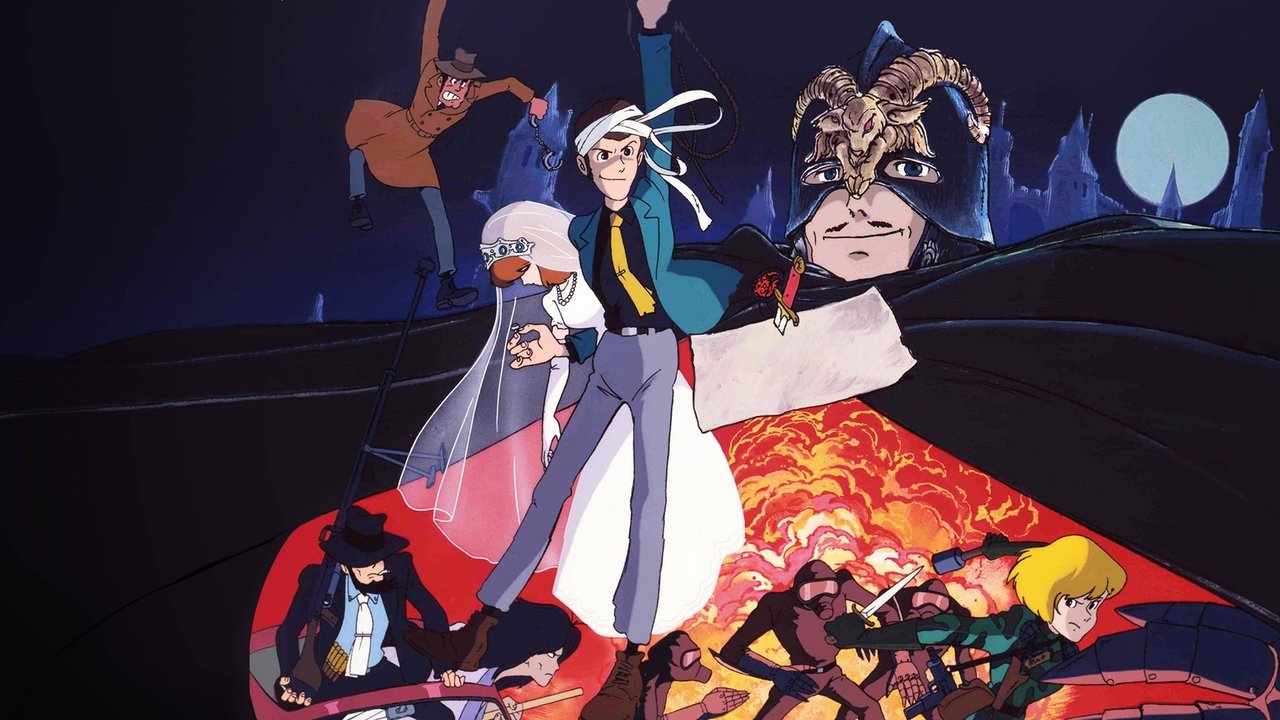
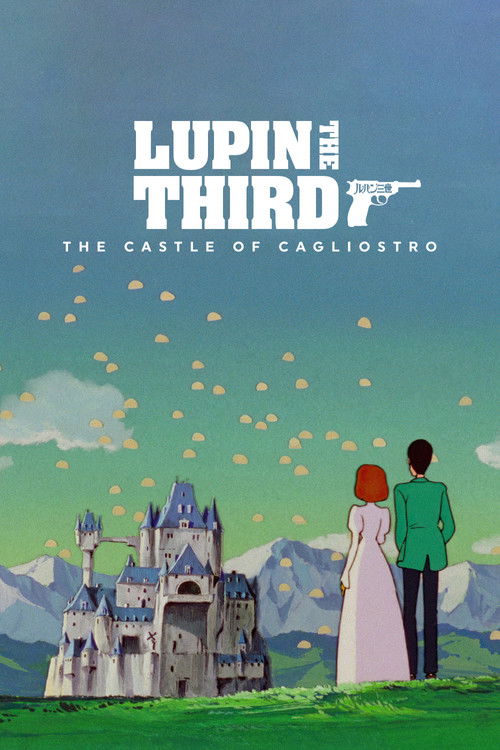
The Castle of Cagliostro
Animation · Adventure · Comedy · 1979
After a successful robbery leaves famed thief Lupin the Third and his partner Jigen with nothing but a large amount of expertly crafted counterfeit bills, he decides to track down the forgers responsible—and steal any other treasures he may find in the Castle of Cagliostro, including the 'damsel in distress' he finds imprisoned there.
“Believe in the Thief.”
Critical arithmetic
Scores change. Arguments endure.
TMDB
7.5 / 10
Community rating
After a successful robbery leaves famed thief Lupin the Third and his partner Jigen with nothing but a large amount of expertly crafted counterfeit bills, he decides to track down the forgers responsible—and steal any other treasures he may find in the Castle of Cagliostro, including the 'damsel in distress' he finds imprisoned there.
Not a recommendation score. A measure of how closely the film’s taste signals resemble yours.
The archetype split
The Arthouse Gremlin
“The stranger, the better.”
Read their caseThe Popcorn Loyalist
“Big screen, big feelings, no apologies.”
Read their objectionThe split comes from the same five-axis model used by the test, not audience ratings or review sentiment.
TMDB supplies the candidates. CriticWise reorders them by craft, strangeness, prestige, emotion, and pace.
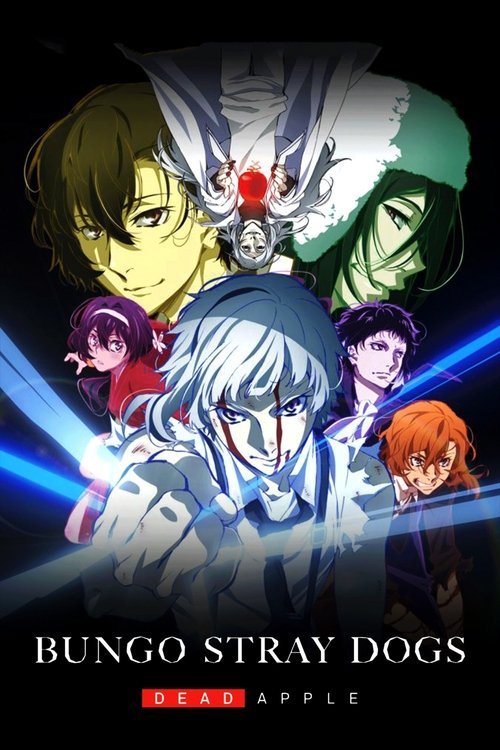
Bungo Stray Dogs: Dead Apple
Animation · 2018
A large scale catastrophe is occurring across the planet. Ability users are discovered after the appearance of a mysterious fog, apparently having committed suicide, so the Armed Detective Agency sets out to investigate these mysterious deaths. The case seems to involve an unknown ability user referred to as "Collector," a man who could be the mastermind behind the incident. Trust and courage are put to the test in order to save the city of Yokohama and ability users across the world from the grip of Collector where the Armed Detective Agency forms an unlikely partnership with the dangerous Port Mafia.

Crayon Shin-chan: Jungle That Invites Storm
Animation · 2000
The Noharas go on an Action Mask-themed cruise, where all the grown-ups get kidnapped by a gang of monkeys. It's up to the kids to rescue them!
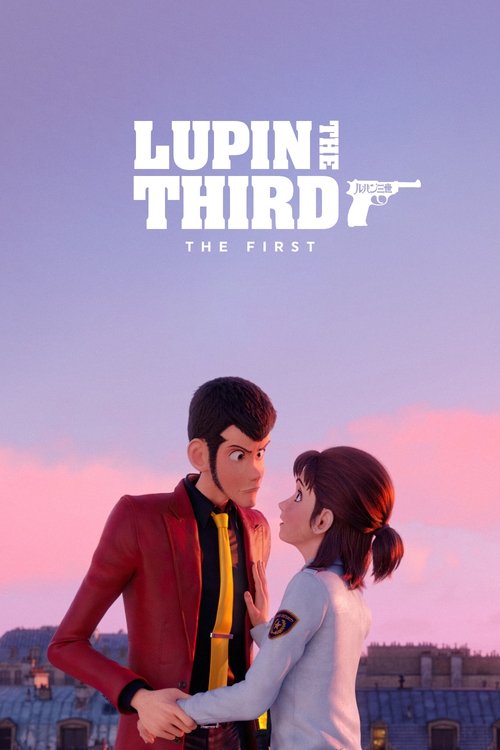
Lupin III: The First
Adventure · 2019
The iconic "gentleman thief" Lupin III returns in an action-packed, continent-spanning adventure, as Lupin III and his colorful underworld companions race to uncover the secrets of the mysterious Bresson Diary, before it falls into the hands of a dark cabal that will stop at nothing to resurrect the Third Reich.
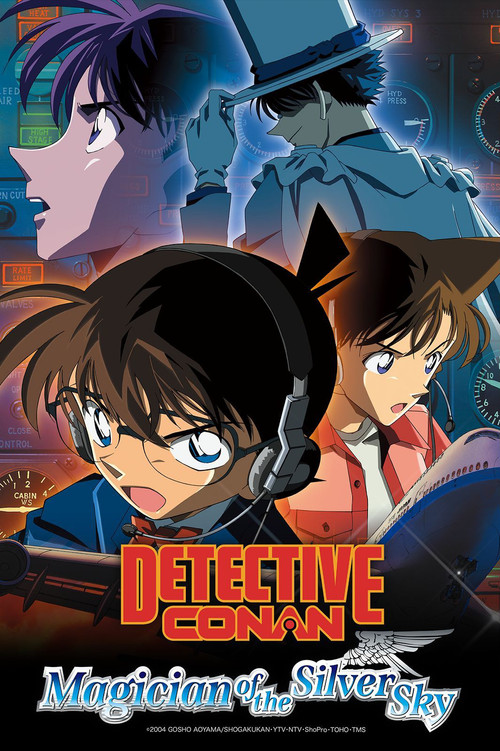
Detective Conan: Magician of the Silver Sky
Animation · 2004
Once again, Kaitou Kid crosses swords with Conan Edogawa in this annual installment of the Detective Conan movie franchise. After receiving a letter from the thief, famous actress Juri Maki seeks the help of private detective Kogorou Mouri to protect the Star Sapphire—the "Jewel of Destiny," said to represent faith, fate, and hope.

Detective Conan: The Million-Dollar Pentagram
Animation · 2024
A message has arrived from Kid the Phantom Thief, that he will steal a Japanese sword belonging to wealthy Onoe Family in Hakodate, Hokkaido. Conan and Heiji Hattori, who happened to be in Hakodate, are on the case to capture Kid. Coincidentally the family lawyer of Onoe is found murdered in the warehouse district, apparently slaughtered by a Japanese sword. The suspect is an investor/arms dealer who is said to be after Onoe family’s hidden treasure. In the North among cherry blossoms, the exciting hunt for treasure begins!

Lupin the Third: Greatest Capers
Animation · 1995
A compilation of two episodes from the second Lupin III television series that was released on video from Streamline Pictures.
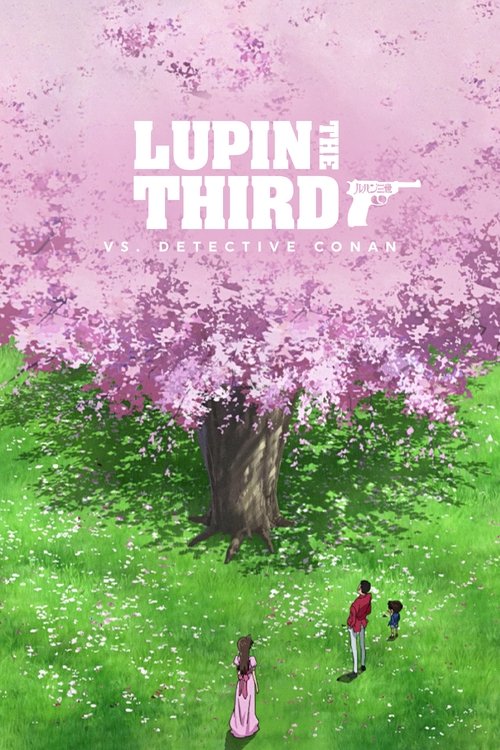
Lupin the Third vs. Detective Conan
TV Movie · 2009
When a wealthy woman and her son die in a hunting accident, it's up to Conan Edogawa to solve the case. Meanwhile, Lupin the Third is after the Queen Crown, owned by the Vesparand royal family. When these two legendary characters meet, who will win the day?! Followed by “Lupin the Third vs. Detective Conan: The Movie” (2013).
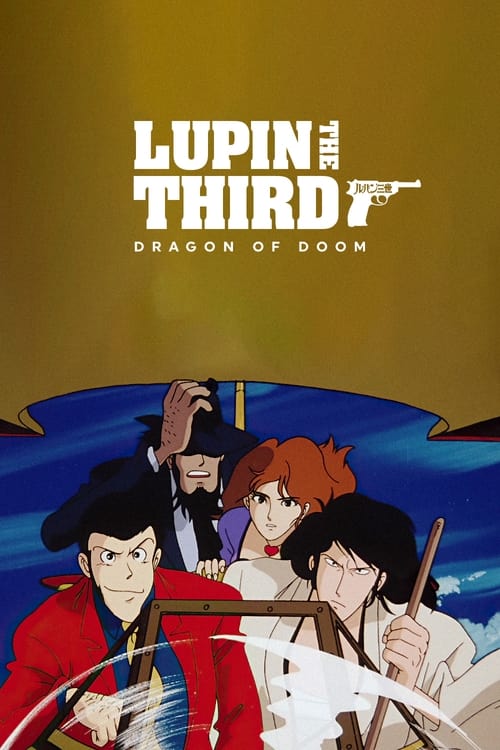
Lupin the Third: Dragon of Doom
Animation · 1994
The Lupin gang is once again dragged onto a wild treasure hunt! This time, the objective is a mysterious, small dragon statue that even Goemon's steel-rendering blade Zantetsuken cannot cut. The artifact, which once eluded even Lupin the Third's esteemed grandfather, rests deep undersea inside the infamous Titanic, and is the key to unlocking the mystery of Zantetsuken's almighty strength. A wealthy gangster, Lupin, and Goemon all want the statue for themselves!

Hunter x Hunter: Phantom Rouge
Animation · 2013
One day, Kurapika spots a child who looks very similar to his childhood friend, Pyro. However, when he catches up to him, the boy steals Kurapika's eyes with some kind of magical power. Gon, Leorio, and Killua promise to help find who took his eyes and get them back, but Killua is having his own problems when he is forced to face his past and whether he really is worthy to have Gon as a friend.
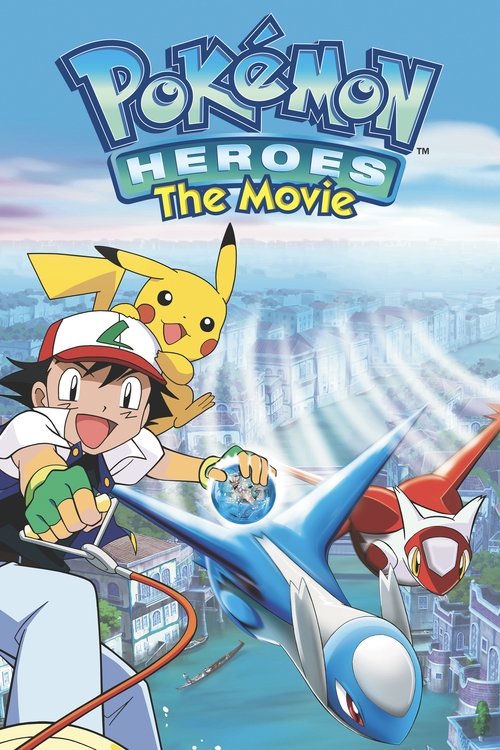
Pokémon Heroes
Animation · 2002
Ash, Pikachu and the gang try and stop a pair of thieves hiding out in the canals and alleyways of Altomare, the age-old water capital. Joining the adventure are two new legendary Pokémon, a pair of siblings named Latias and Latios, who serve as peacekeepers and protectors of the Soul Dew — a priceless treasure with a mysterious power.
Cinema release signals and current streaming, rental, and purchase options for your region.
Streaming availability data supplied by JustWatch.
Cast & crew
Directed by
Hayao Miyazaki
Written by
Hayao Miyazaki · Haruya Yamazaki

Yasuo Yamada
Arsène Lupin III (voice)

Kiyoshi Kobayashi
Daisuke Jigen (voice)

Eiko Masuyama
Fujiko Mine (voice)

Makio Inoue
Goemon Ishikawa XIII (voice)

Gorō Naya
Inspector Koichi Zenigata (voice)

Sumi Shimamoto
Lady Clarisse de Cagliostro (voice)

Taro Ishida
Count Cagliostro (voice)
Two incompatible taste archetypes. One film. Read the arguments, then issue a completely binding cultural ruling.
“Its refusal to behave is the point.”
The strange choices create the kind of friction that follows you out of the theatre and into the argument.
“Oddness is not depth.”
A film can break every rule and still leave nothing behind but the memory of how hard it tried to be singular.