The defence The Sentimental Softie
“Sincerity is not manipulation.”
The film risks embarrassment to make emotion communal, and that openness is harder than fashionable detachment.
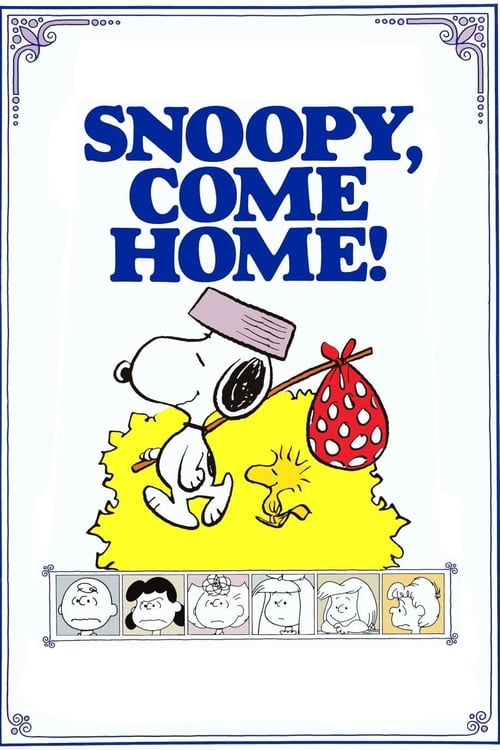
Snoopy, Come Home
Family · Animation · Adventure · 1972
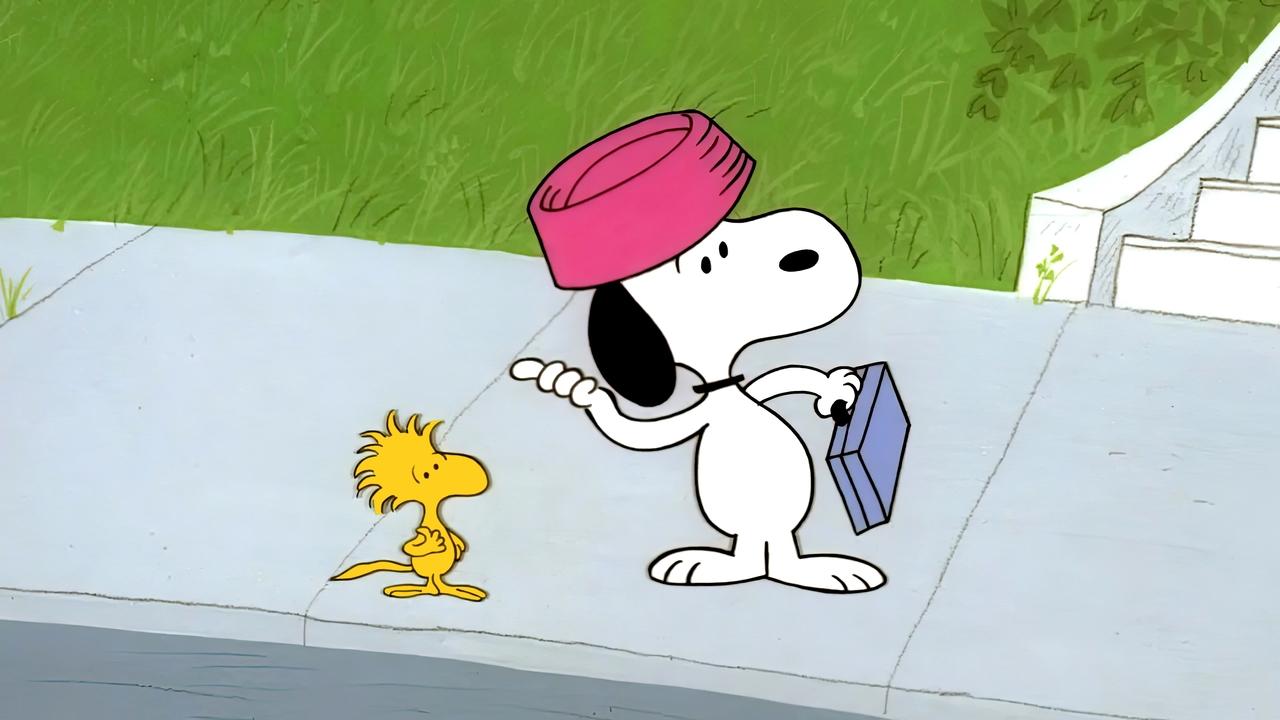
When Snoopy receives a letter from his original owner Lila, he goes to visit her in the hospital while Charlie Brown and the gang are on the lookout for him. Suddenly, Snoopy feels that he must go live with Lila, but must say goodbye to all his friends. In his adventure to the hospital, he encounters numerous "No Dogs Allowed" signs, an annoying little girl who desires to keep him, and more!
“Where's Snoopy?”
Critical arithmetic
Scores change. Arguments endure.
TMDB
7.2 / 10
Community rating
When Snoopy receives a letter from his original owner Lila, he goes to visit her in the hospital while Charlie Brown and the gang are on the lookout for him. Suddenly, Snoopy feels that he must go live with Lila, but must say goodbye to all his friends. In his adventure to the hospital, he encounters numerous "No Dogs Allowed" signs, an annoying little girl who desires to keep him, and more!
Not a recommendation score. A measure of how closely the film’s taste signals resemble yours.
The archetype split
The Sentimental Softie
“You came to feel something, and you will.”
Read their caseThe Cool Ironist
“Feeling things is a little embarrassing.”
Read their objectionThe split comes from the same five-axis model used by the test, not audience ratings or review sentiment.
TMDB supplies the candidates. CriticWise reorders them by craft, strangeness, prestige, emotion, and pace.

PAW Patrol: Jet to the Rescue
Animation · 2020
A royal relative steals a gem with the power to make things fly, the Paw Patrol takes to the skies to stop him and save Barkingburg.
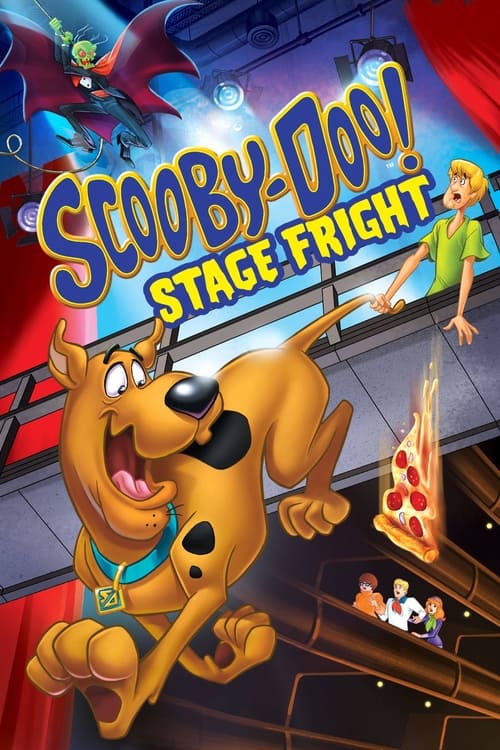
Scooby-Doo! Stage Fright
Family · 2013
Join Scooby-Doo, Shaggy and the Mystery Inc. crew as they head to Chicago for Talent Star, a hit talent show in which Fred and Daphne are finalists with some high hopes. Unlucky for them, the competition is frightful as the show is being broadcast from an opera house with a history of horrors and a particularly vengeful phantom that has cursed the show's production.
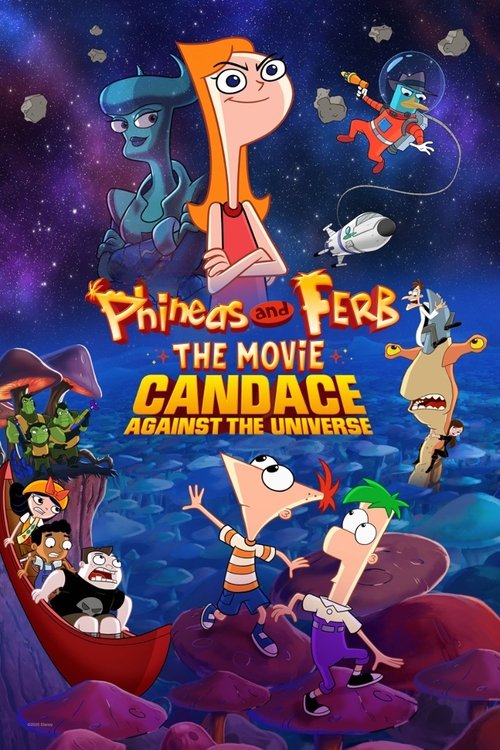
Phineas and Ferb the Movie: Candace Against the Universe
Family · 2020
Phineas and Ferb travel across the galaxy to rescue their older sister Candace, who has been abducted by aliens and taken to a utopia in a far-off planet, free of her pesky little brothers.
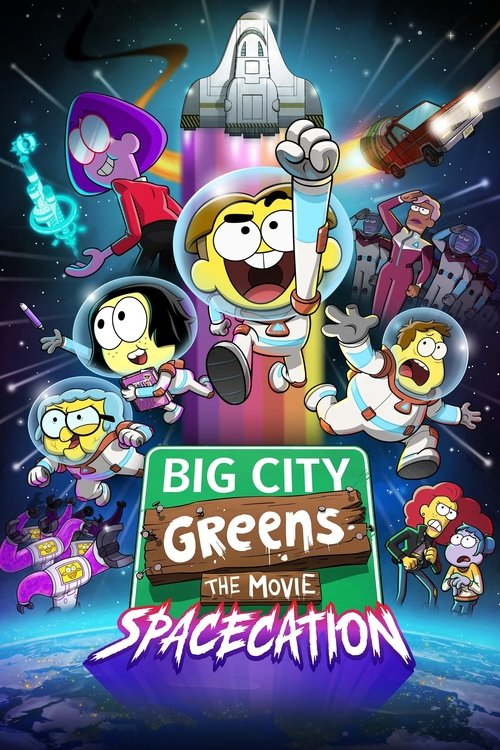
Big City Greens the Movie: Spacecation
Animation · 2024
When thrill-seeker Cricket tricks his family into taking a "road trip" in space, chaos in the cosmos quickly ensues. Despite growing frustrations between Cricket and his dad, Bill, the two must learn to appreciate each other's unique perspectives in order to prevent Big City from being destroyed by an interstellar disaster.
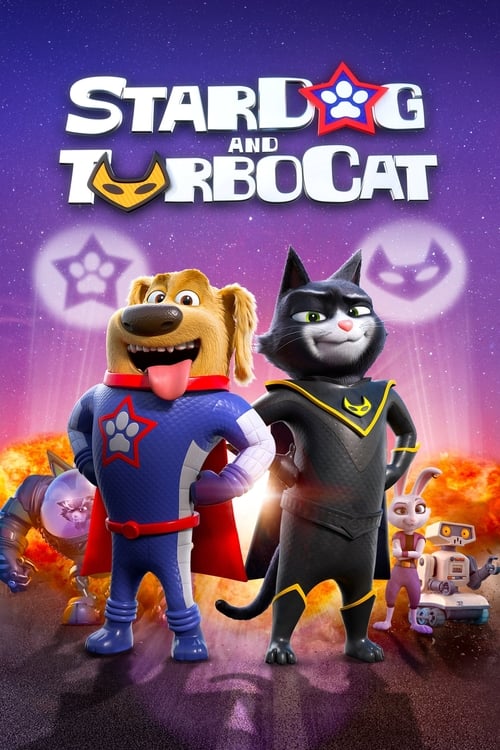
StarDog and TurboCat
Animation · 2019
When vigilante cat, Felix, and loyal canine, Buddy, set out to find Buddy’s lost owner, they discover not only the power of friendship, but their inner superpowers along the way.
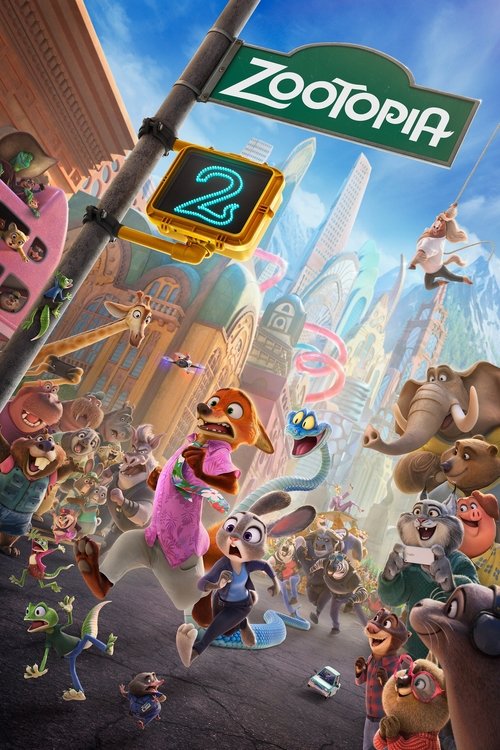
Zootopia 2
Animation · 2025
After cracking the biggest case in Zootopia's history, rookie cops Judy Hopps and Nick Wilde find themselves on the twisting trail of a great mystery when Gary De'Snake arrives and turns the animal metropolis upside down. To crack the case, Judy and Nick must go undercover to unexpected new parts of town, where their growing partnership is tested like never before.
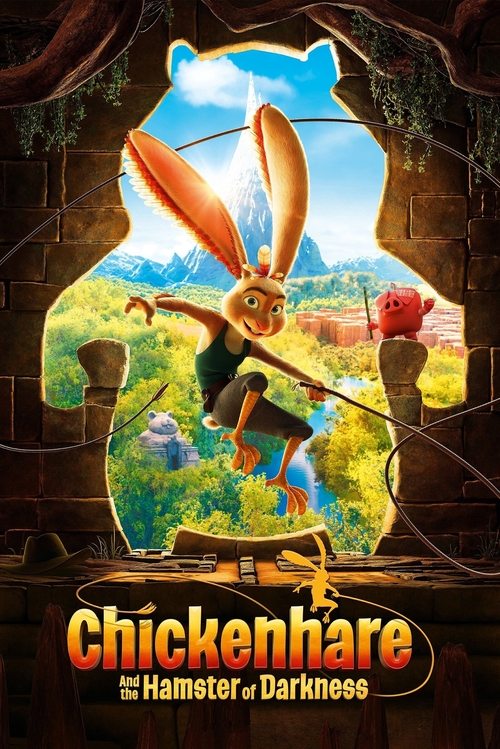
Chickenhare and the Hamster of Darkness
Animation · 2022
A brave young animal explorer teams up with two trusty friends to find a powerful artifact before his greedy uncle can get his paws on it.
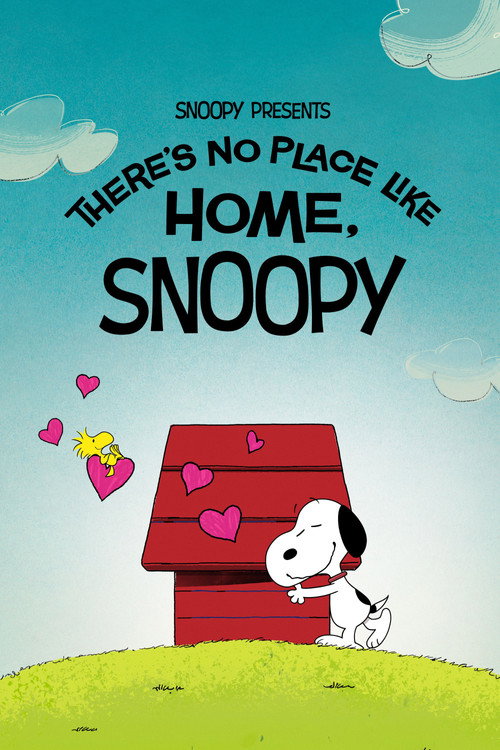
Snoopy Presents: There's No Place Like Home, Snoopy
Animation · 2026
When Snoopy's beloved doghouse goes missing, he tries to track it down, and learns what makes a house feel like home.
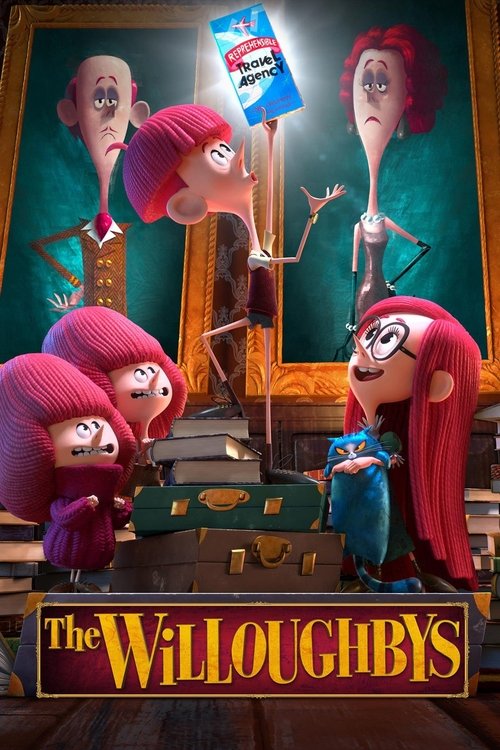
The Willoughbys
Adventure · 2020
When the four Willoughby children are abandoned by their selfish parents, they must learn how to adapt their Old-Fashioned values to the contemporary world in order to create something new: The Modern Family.
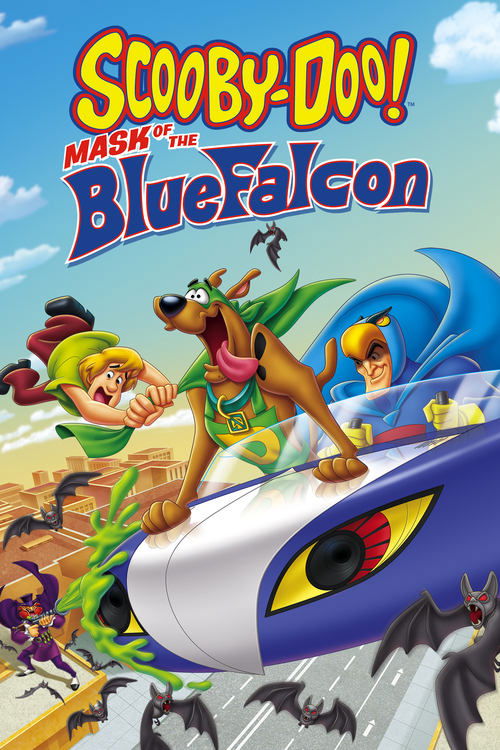
Scooby-Doo! Mask of the Blue Falcon
Animation · 2012
The Mega Mondo Pop Cartoon-a-Con in sunny California marks the spot for mystery in this all-new original Scooby-Doo adventure! The Mystery Inc. pals -- Fred, Daphne, Velma, Shaggy and Scooby -- head to the annual convention, but they're not there to crack their next case. They want to meet their favorite comic book characters and see a megabucks movie premiere, an explosive big-screen remake of the classic cartoon The Adventures of Blue Falcon, featuring Shaggy and Scooby's favorite superheroes: caped avenger Blue Falcon and his trusty but bumbling robo-pup, Dynomutt.
Cinema release signals and current streaming, rental, and purchase options for your region.
Streaming availability data supplied by JustWatch.
Cast & crew
Directed by
Bill Melendez
Written by
Charles M. Schulz
Chad Webber
Charlie Brown (voice)

Bill Melendez
Snoopy / Woodstock (voice)

Robin Kohn
Lucy Van Pelt (voice)

Stephen Shea
Linus Van Pelt (voice)
David Carey
Schroeder (voice)

Hilary Momberger-Powers
Sally Brown (voice)
Johanna Baer
Lila (voice)
Two incompatible taste archetypes. One film. Read the arguments, then issue a completely binding cultural ruling.
“Sincerity is not manipulation.”
The film risks embarrassment to make emotion communal, and that openness is harder than fashionable detachment.
“The strings are showing.”
Every cue tells you exactly what to feel and when, leaving sentiment to do the work character should have done.