The defence The Sentimental Softie
“Sincerity is not manipulation.”
The film risks embarrassment to make emotion communal, and that openness is harder than fashionable detachment.
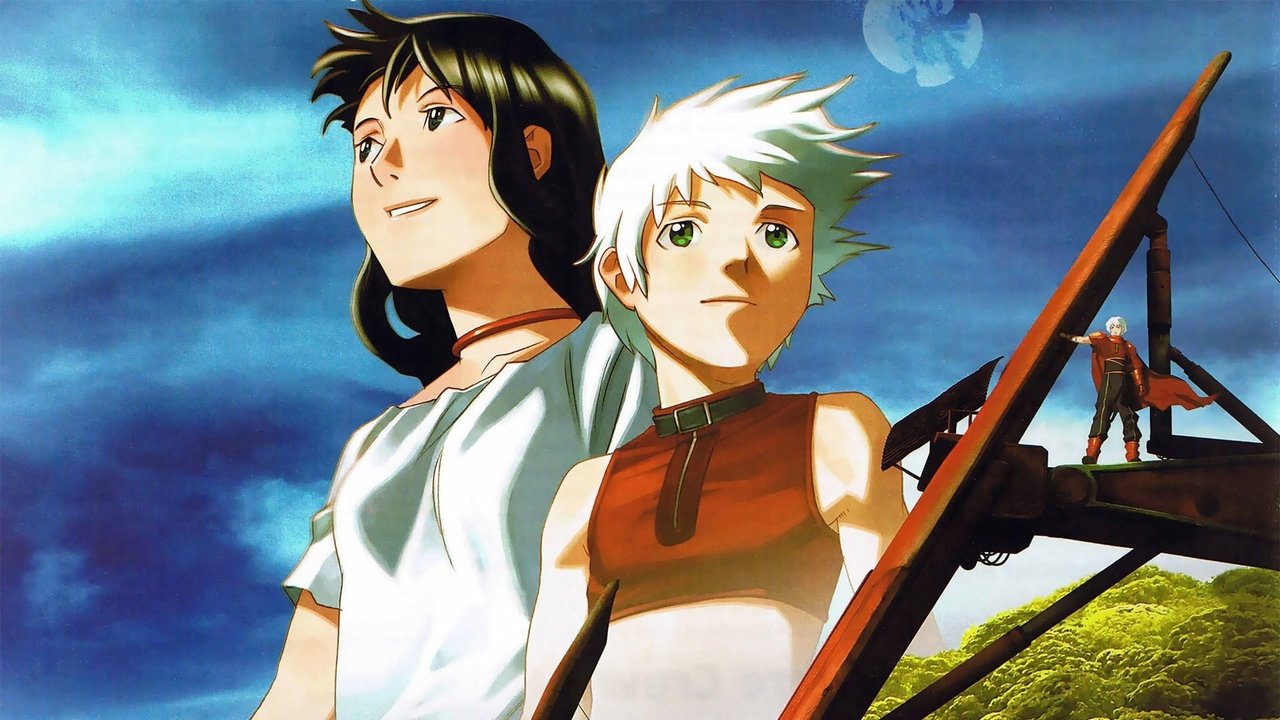
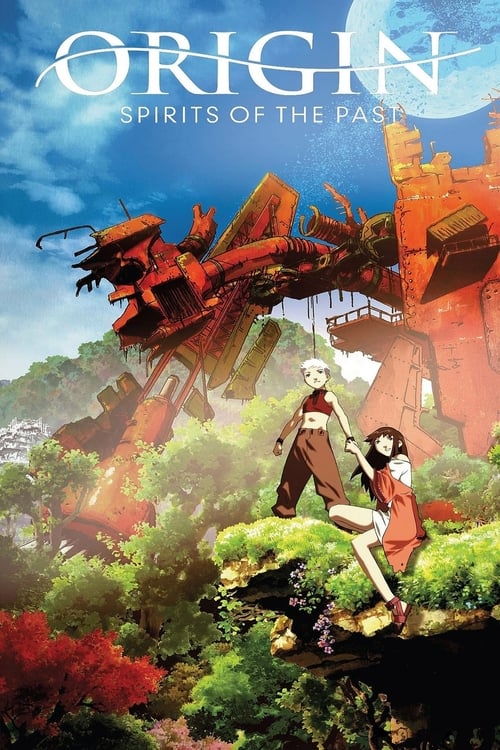
Origin: Spirits of the Past
Animation · Science Fiction · Adventure · 2006
It is 300 years into the future. Earth's environment had been devastated by mankind's own foolish plans and humankind is beleaguered by the sentient forests which they have awoken. The world balance is tipped when a young boy named Agito stumbles across a machine that glowed in a strange blue hue inside a forbidden sanctuary.
“Together, we can face the future...”
Critical arithmetic
Scores change. Arguments endure.
TMDB
6.9 / 10
Community rating
It is 300 years into the future. Earth's environment had been devastated by mankind's own foolish plans and humankind is beleaguered by the sentient forests which they have awoken. The world balance is tipped when a young boy named Agito stumbles across a machine that glowed in a strange blue hue inside a forbidden sanctuary.
Not a recommendation score. A measure of how closely the film’s taste signals resemble yours.
The archetype split
The Sentimental Softie
“You came to feel something, and you will.”
Read their caseThe Popcorn Loyalist
“Big screen, big feelings, no apologies.”
Read their objectionThe split comes from the same five-axis model used by the test, not audience ratings or review sentiment.
TMDB supplies the candidates. CriticWise reorders them by craft, strangeness, prestige, emotion, and pace.
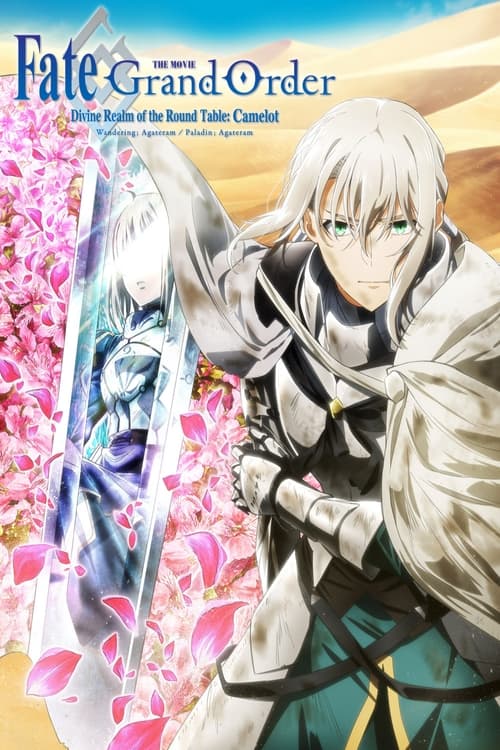
Fate/Grand Order the Movie: Divine Realm of the Round Table: Camelot 2 Paladin; Agateram
Animation · 2021
The second part in a two-part anime film project adapting the "Sixth Singularity - Divine Realm of the Round Table: Camelot" story from the game.

Modest Heroes
Animation · 2018
Two tiny, aquatic humanoids search for their missing father, a boy battles a lethal allergy to eggs, and an invisible salaryman tries to become a hero.

Scarlet
Animation · 2025
After failing to avenge her father's murder, Princess Scarlet, wakes up in the "Land of the Dead." In this world filled with madness, if she does not achieve her revenge against her nemesis and reach the "No End Place," she will become "Void" and cease to exist. Can Scarlet find a way to live at the end of her endless journey?
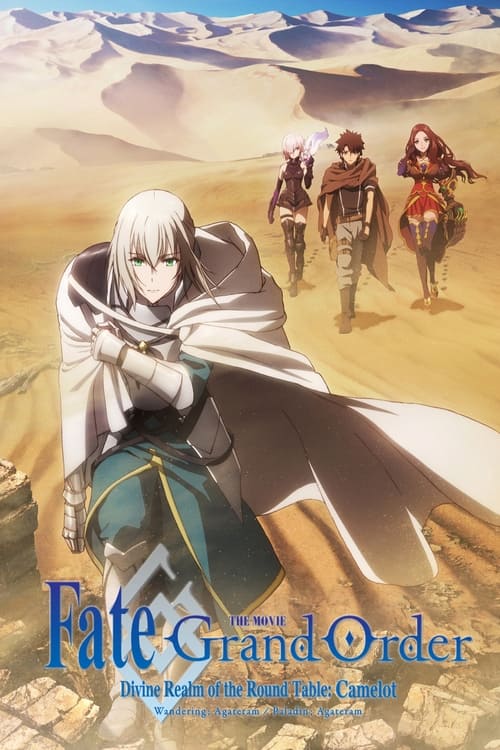
Fate/Grand Order the Movie: Divine Realm of the Round Table: Camelot 1 Wandering; Agateram
Animation · 2020
The wandering knight, Bedivere, reaches the end of his journey. It is A.D. 1273 in Jerusalem. The Holy Land has been transformed into a massive desert and its people have been forced out of their homes as three major powers wage war with each other in this wasteland. The Knights of the Round Table come together to protect the Holy City and their Lion King. With the whole of his kingdom summoned into a strange land, Ozymandias, the Sun King, quietly plots against the tyranny of this bizarre realm. The mountain people, protectors of those who were stripped of their land, await their chance at rebellion. In order to fulfill his mission, Bedivere heads for the Holy City where the Lion King rules. There he meets humanity’s final Master, Ritsuka Fujimaru, who has come to Jerusalem, accompanied by his Demi-Servant, Mash Kyrielight, in their quest to restore human history.
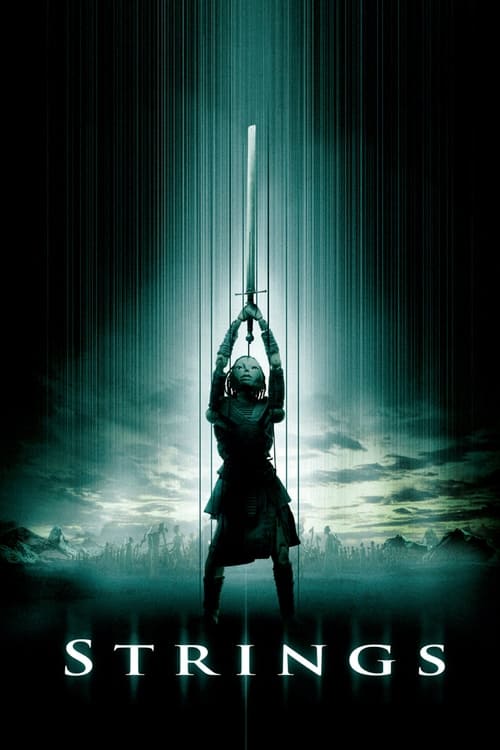
Strings
Adventure · 2004
The story of Prince Hal who sets out to avenge his dead father against the city's rivals, the Zeriths, little knowing it was his wicked uncle Nezo who is the real killer, with his own designs on the throne.
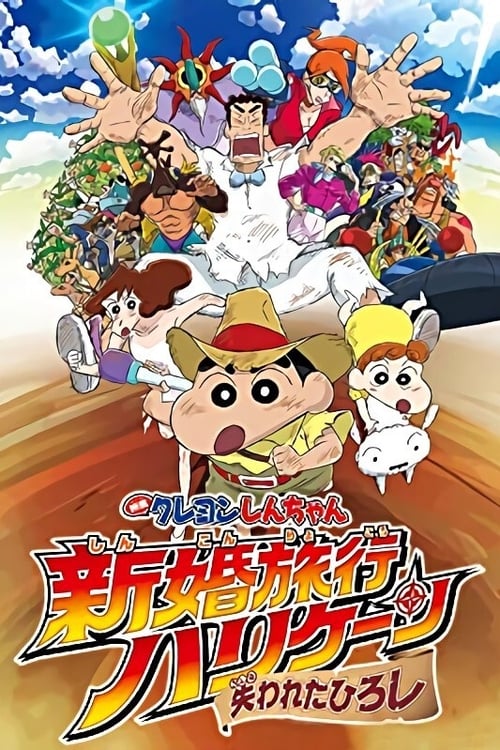
Crayon Shin-chan: Honeymoon Hurricane ~The Lost Hiroshi~
Animation · 2019
Hiroshi and Misae have never been to a honeymoon trip to a foreign country. One day, Misae discovered an inexpensive and family-friendly holiday package to Australia and the Nohara family decided to make it their first honeymoon vacation. Hiroshi gets kidnapped upon arrival to Australia, leaving Shinnosuke, Misae and others on a dangerous journey. It turns out that Hiroshi is the key to a secret treasure. The remaining members of the Nohara Family must rescue Hiroshi, while a mysterious masked man and treasure hunters from all over the world are after him. The struggle is among three different groups in this action-filled treasure hunting adventure.
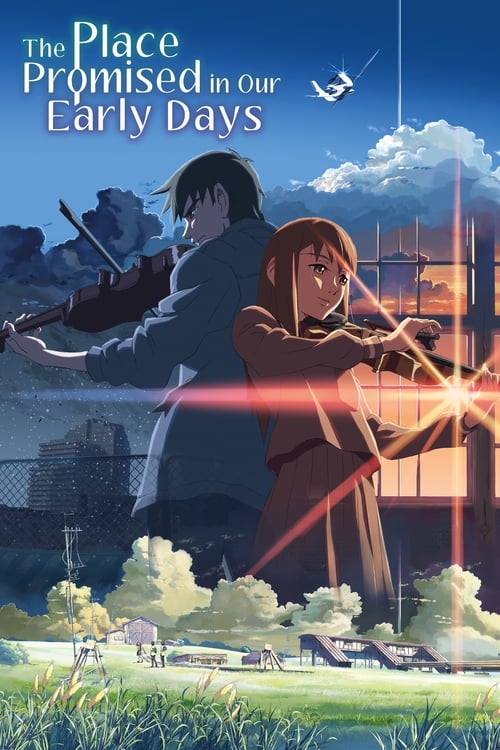
The Place Promised in Our Early Days
Animation · 2004
In a post-war alternative timeline, Japan is divided into the North, controlled by the Union, and the South, controlled by the United States. A mysterious high tower rises within the borders of the Union. Three high school students promise to cross the border with a self-built airplane and unravel the secret of the tower.

Appleseed Alpha
Animation · 2014
The Third World War (2099–2126) devastated part of the Earth. Former nations are reforming while new powers emerge, and groups of humans struggle to survive in ruined cities. The story follows Deunan Knute and her partner Briareos as they search for the legendary city of Olympus.

K: Missing Kings
Animation · 2014
The "Academy Island Incident" in which four "kings" cross paths... Since then, Silver Clansmen Kuroh Yatogami and Neko have been searching for their master, Shiro. Without finding any clues to Shiro's whereabouts, the two became disheartened. However, one day, they see HOMRA members Rikio Kamamoto and Anna Kushina being chased by someone.

Pokémon Heroes
Animation · 2002
Ash, Pikachu and the gang try and stop a pair of thieves hiding out in the canals and alleyways of Altomare, the age-old water capital. Joining the adventure are two new legendary Pokémon, a pair of siblings named Latias and Latios, who serve as peacekeepers and protectors of the Soul Dew — a priceless treasure with a mysterious power.
Cinema release signals and current streaming, rental, and purchase options for your region.
Streaming availability data supplied by JustWatch.
Cast & crew
Directed by
Keiichi Sugiyama
Written by
Naoko Kakimoto · Nana Shiina

Ryo Katsuji
Agito (voice)

Aoi Miyazaki
Toola (voice)

Yuko Kotegawa
Yolda (voice)

Atsuko Yuya
Jessica (voice)

Ren Osugi
Agashi (voice)

Masaru Hamaguchi
Cain (voice)

Toshikazu Fukawa
Hajan (voice)
Two incompatible taste archetypes. One film. Read the arguments, then issue a completely binding cultural ruling.
“Sincerity is not manipulation.”
The film risks embarrassment to make emotion communal, and that openness is harder than fashionable detachment.
“The strings are showing.”
Every cue tells you exactly what to feel and when, leaving sentiment to do the work character should have done.