The defence The Sentimental Softie
“Sincerity is not manipulation.”
The film risks embarrassment to make emotion communal, and that openness is harder than fashionable detachment.

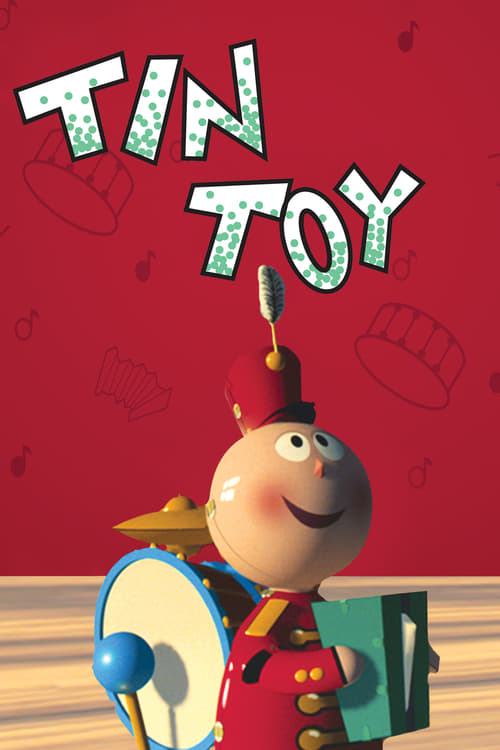
Tin Toy
Animation · Family · 1988
Babies are hardly monster-like, unless you're a toy. After escaping a drooling baby, Tinny realizes that he wants to be played with after all. But in the amount of time it takes him to discover this, the baby's attention moves on to other things only an infant could find interesting.
“A scared, Tin Toy realizes he really wants to play.”
Critical arithmetic
Scores change. Arguments endure.
TMDB
6.1 / 10
Community rating
Babies are hardly monster-like, unless you're a toy. After escaping a drooling baby, Tinny realizes that he wants to be played with after all. But in the amount of time it takes him to discover this, the baby's attention moves on to other things only an infant could find interesting.
Not a recommendation score. A measure of how closely the film’s taste signals resemble yours.
The archetype split
The Sentimental Softie
“You came to feel something, and you will.”
Read their caseThe Cool Ironist
“Feeling things is a little embarrassing.”
Read their objectionThe split comes from the same five-axis model used by the test, not audience ratings or review sentiment.
TMDB supplies the candidates. CriticWise reorders them by craft, strangeness, prestige, emotion, and pace.
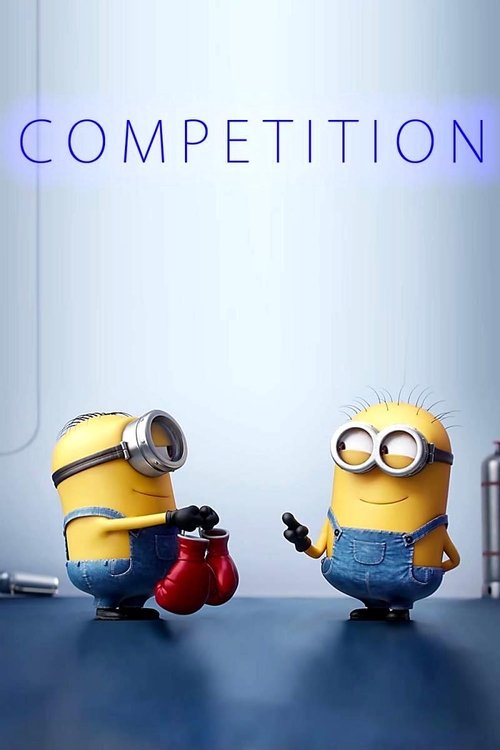
Competition
Animation · 2015
Two minions working in a bomb lab get competitive.
Three Blind Mouseketeers
Animation · 1936
As the title implies, the three blind mice are musketeers. The cat sets a number of traps for them, which they all evade (apparently without realizing it) while he sleeps. The cat eventually wakes up and begins chasing them unsuccessfully, thanks to their teamwork.
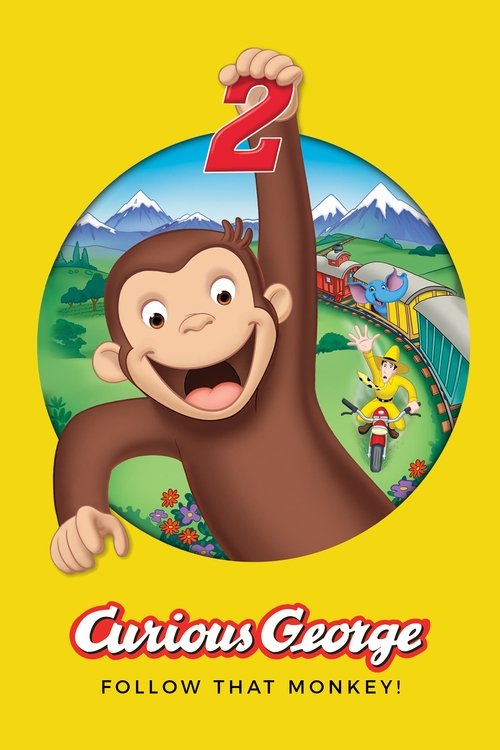
Curious George 2: Follow That Monkey!
Animation · 2009
The film chronicles George's adventures as he befriends Kayla, a baby elephant, at a magic circus show and helps her travel across the country to be reunited with her family.Accompanied by his friend, the Man with the Yellow Hat, George travels by foot, train, and truck to reach Kayla's brother and sister in California, only to be accused of elephant-napping and brought all the way back to New York.

Ferdinand the Bull
Animation · 1938
This Oscar-winning short tells of a bull who preferred to sit under trees and smell flowers to clashing horns with his fellow animals. As luck would have it, an untimely bee reveals Ferdinand's ferocious side via pained howls and wild stomping. This lands him in the bull-fighting arena amidst characters based on Walt's animators with a matador reportedly modeled after Walt himself.
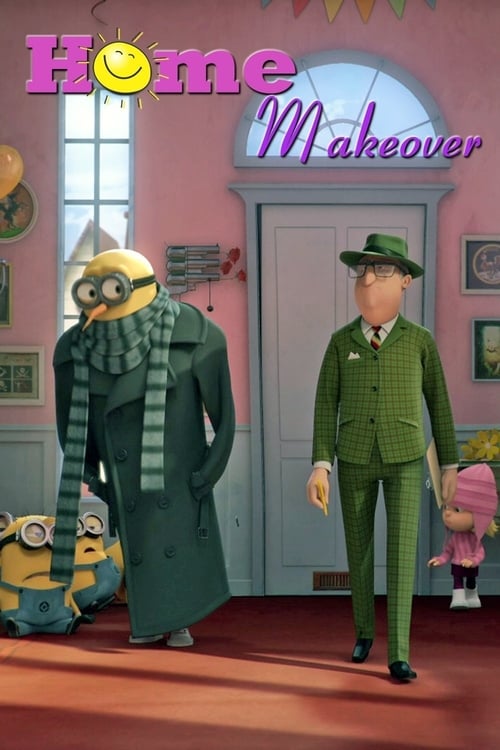
Home Makeover
Animation · 2010
When a social worker visits Gru’s house to assess its suitability for children, chaos ensues. Margo, Edith, and Agnes, along with the ever-mischievous Minions, scramble to give the home a makeover in record time. Their attempts to create a warm and inviting environment quickly spiral into hilarity as the Minions’ unorthodox methods lead to outrageous results. This short captures the Minions’ inventive, albeit chaotic, solutions, blending humor with heartwarming moments of teamwork.
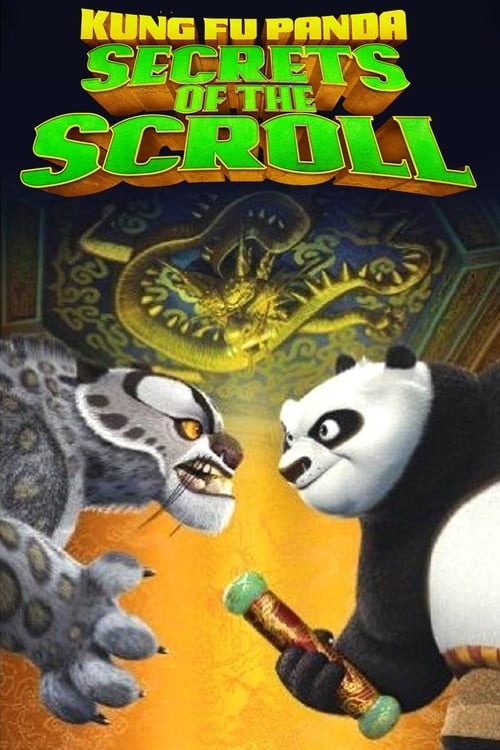
Kung Fu Panda: Secrets of the Scroll
Animation · 2016
As Po looks for his lost action figures, the story of how the panda inadvertently helped create the Furious Five is told.

Hawaiian Vacation
Animation · 2011
The toys throw Ken and Barbie a Hawaiian vacation in Bonnie's room.
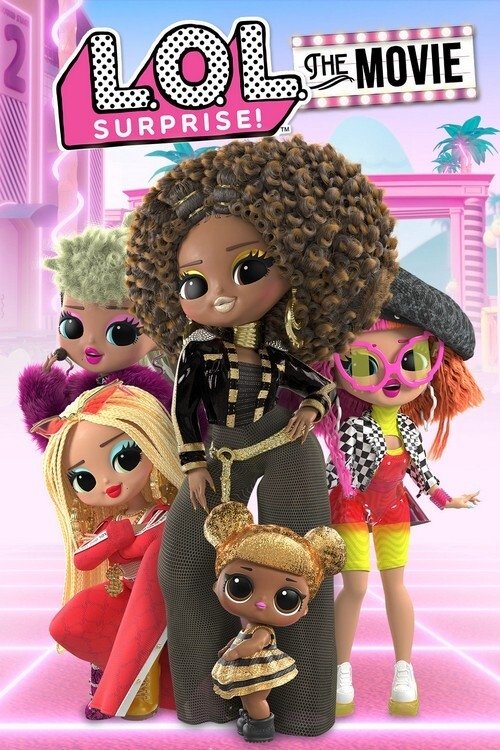
LOL Surprise: The Movie
Animation · 2021
Dazzling doll sisters Queen Bee and Royal Bee make their first movie with help from their fashionable friends in this one-of-a-kind magical adventure.
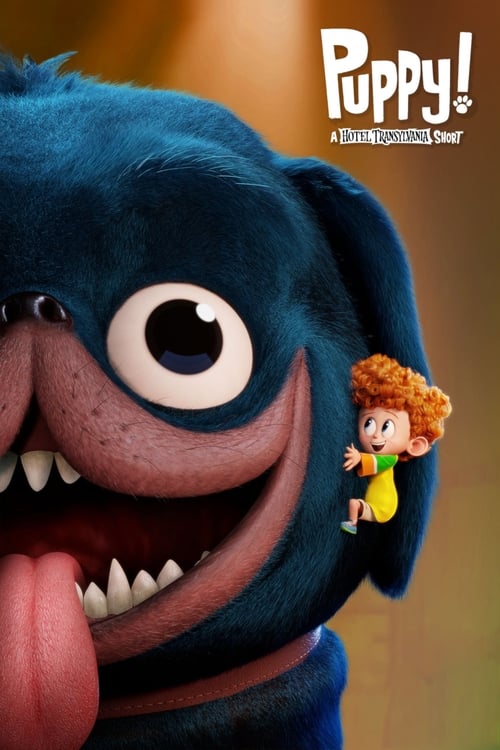
Puppy!
Family · 2017
The residents of Hotel Transylvania find their world turned upside-down when youngster Dennis gets a surprise monster-sized pet.

PAW Patrol: Jet to the Rescue
Animation · 2020
A royal relative steals a gem with the power to make things fly, the Paw Patrol takes to the skies to stop him and save Barkingburg.
Cinema release signals and current streaming, rental, and purchase options for your region.
Streaming availability data supplied by JustWatch.
Cast & crew
Directed by
John Lasseter
Written by
John Lasseter
Two incompatible taste archetypes. One film. Read the arguments, then issue a completely binding cultural ruling.
“Sincerity is not manipulation.”
The film risks embarrassment to make emotion communal, and that openness is harder than fashionable detachment.
“The strings are showing.”
Every cue tells you exactly what to feel and when, leaving sentiment to do the work character should have done.