The defence The Prestige Tourist
“Sincerity is not manipulation.”
The film risks embarrassment to make emotion communal, and that openness is harder than fashionable detachment.
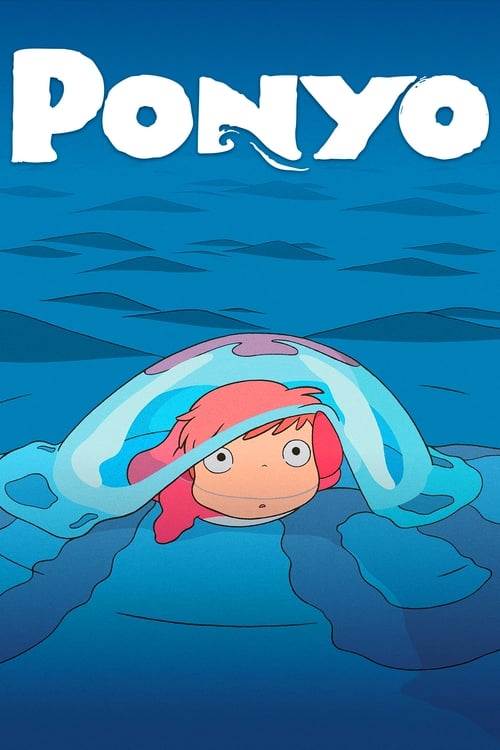
Ponyo
Animation · Fantasy · Family · 2008
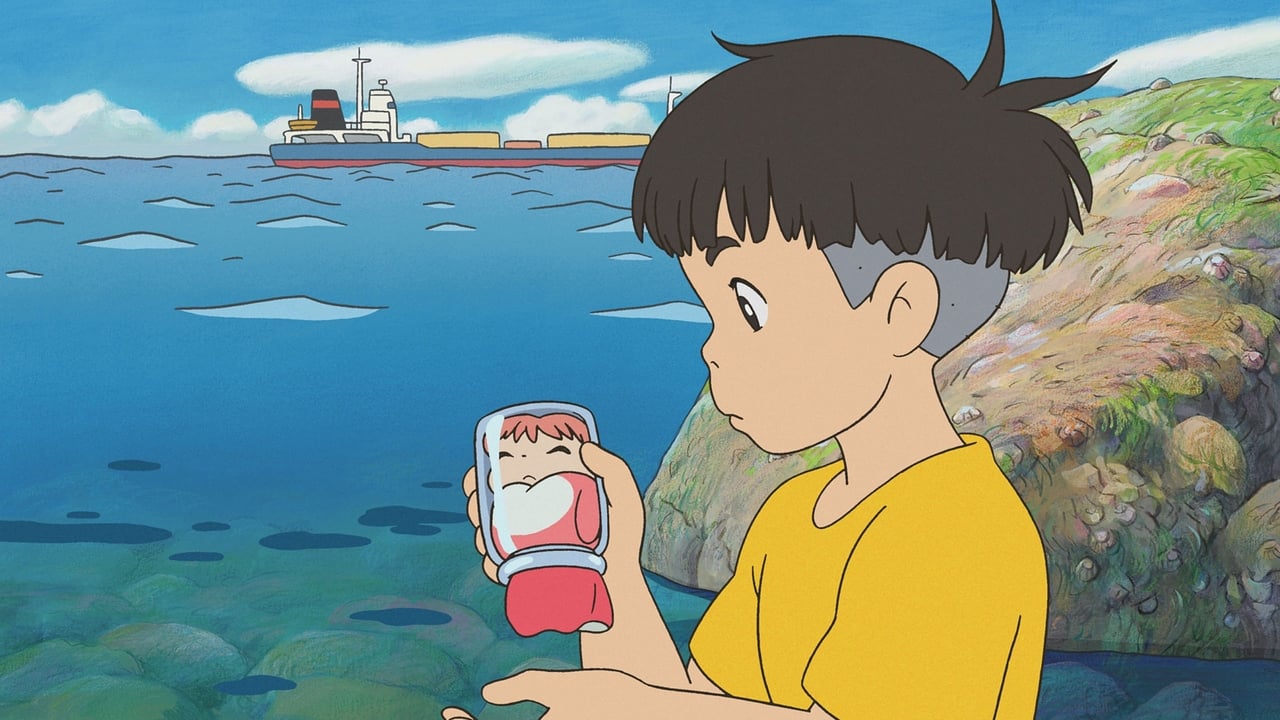
When Sosuke, a young boy who lives on a clifftop overlooking the sea, rescues a stranded goldfish named Ponyo, he discovers more than he bargained for. Ponyo is a curious, energetic young creature who yearns to be human, but even as she causes chaos around the house, her father, a powerful sorcerer, schemes to return Ponyo to the sea.
“Welcome to a world where anything is possible.”
Critical arithmetic
Scores change. Arguments endure.
TMDB
7.8 / 10
Community rating
When Sosuke, a young boy who lives on a clifftop overlooking the sea, rescues a stranded goldfish named Ponyo, he discovers more than he bargained for. Ponyo is a curious, energetic young creature who yearns to be human, but even as she causes chaos around the house, her father, a powerful sorcerer, schemes to return Ponyo to the sea.
Not a recommendation score. A measure of how closely the film’s taste signals resemble yours.
The archetype split
The Prestige Tourist
“You like your greatness pre-approved.”
Read their caseThe Popcorn Loyalist
“Big screen, big feelings, no apologies.”
Read their objectionThe split comes from the same five-axis model used by the test, not audience ratings or review sentiment.
TMDB supplies the candidates. CriticWise reorders them by craft, strangeness, prestige, emotion, and pace.
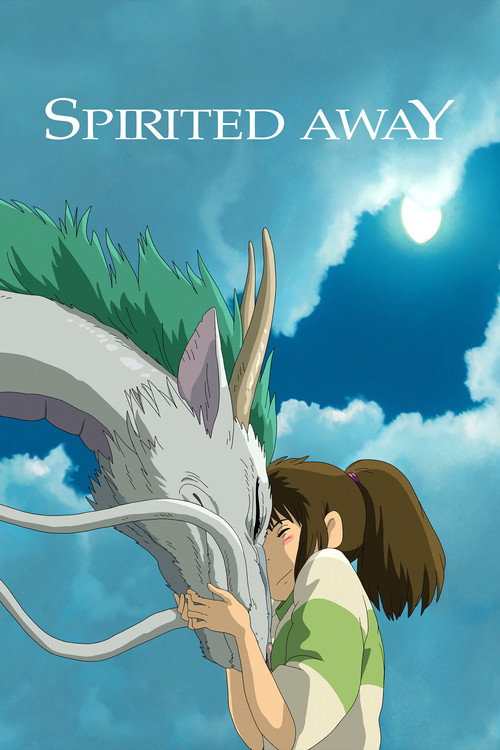
Spirited Away
Animation · 2001
A young girl, Chihiro, becomes trapped in a strange new world of spirits. When her parents undergo a mysterious transformation, she must call upon the courage she never knew she had to free her family.
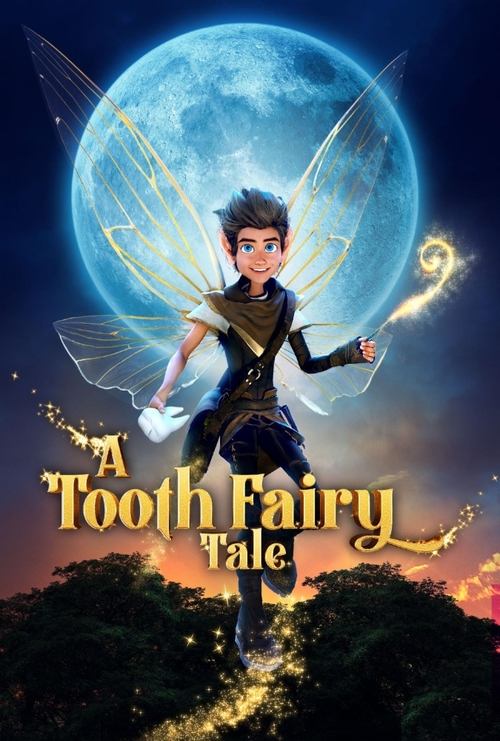
A Tooth Fairy Tale
Animation · 2025
Van, the brave son of a tooth fairy leader, meets the goblins girl Gemma on his first mission. Despite the myths about ancient disputes between fairies and goblins, they share common values. When the greedy Spider Queen threatens both tribes, they must work together.

Lu Over the Wall
Animation · 2017
In a small fishing village, a gloomy middle school student named Kai meets a mermaid named Lu.
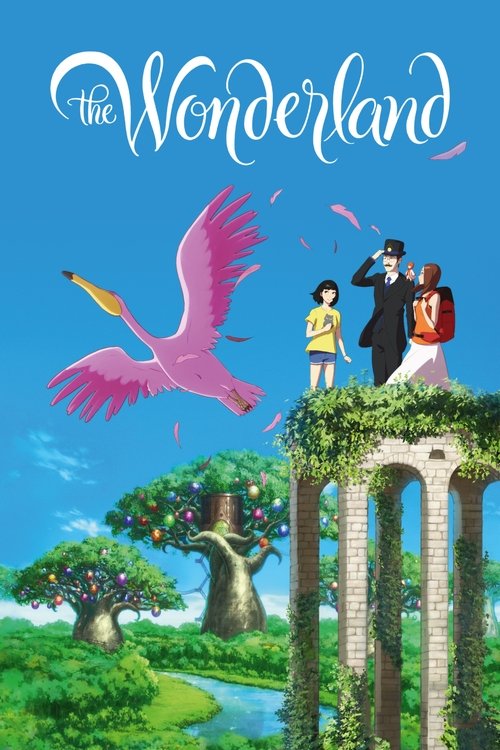
The Wonderland
Animation · 2019
The story follows Akane, a girl with no self-confidence. On the day before her birthday, she meets a mysterious alchemist, Hippocrates, and his student, Pipo, who both tell her they're on a mission to save the world. Together, they set out from the basement for "Wonderland," and Akane finds herself labelled Wonderland's savior.

Crayon Shin-chan: Honeymoon Hurricane ~The Lost Hiroshi~
Animation · 2019
Hiroshi and Misae have never been to a honeymoon trip to a foreign country. One day, Misae discovered an inexpensive and family-friendly holiday package to Australia and the Nohara family decided to make it their first honeymoon vacation. Hiroshi gets kidnapped upon arrival to Australia, leaving Shinnosuke, Misae and others on a dangerous journey. It turns out that Hiroshi is the key to a secret treasure. The remaining members of the Nohara Family must rescue Hiroshi, while a mysterious masked man and treasure hunters from all over the world are after him. The struggle is among three different groups in this action-filled treasure hunting adventure.
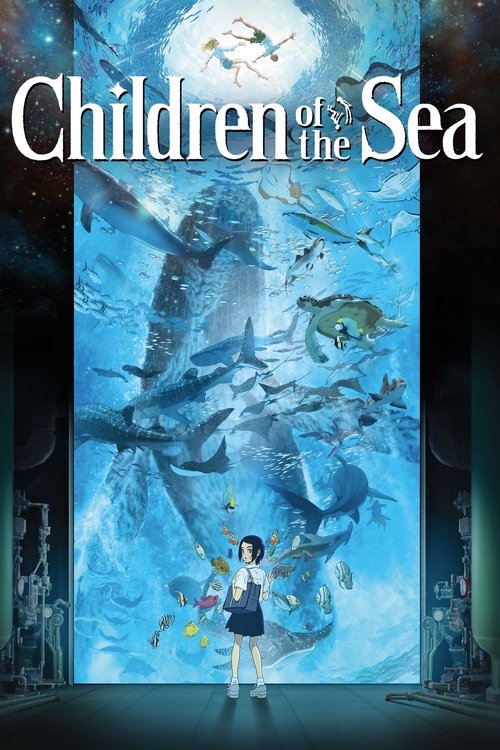
Children of the Sea
Animation · 2019
Ruka is a young girl whose parents are separated and whose father works in an aquarium. When two boys, Umi and Sora, who were raised in the sea by dugongs, are brought to the aquarium, Ruka feels drawn to them and begins to realize that she has the same sort of supernatural connection to the ocean that they do. Umi and Sora's special power seems to be connected to strange events that have been occurring more and more frequently, such as the appearance of sea creatures far from their home territory and the disappearance of aquarium animals around the world. However, the exact nature of the boys' power and of the abnormal events is unknown, and Ruka gets drawn into investigating the mystery that surrounds her new friends.
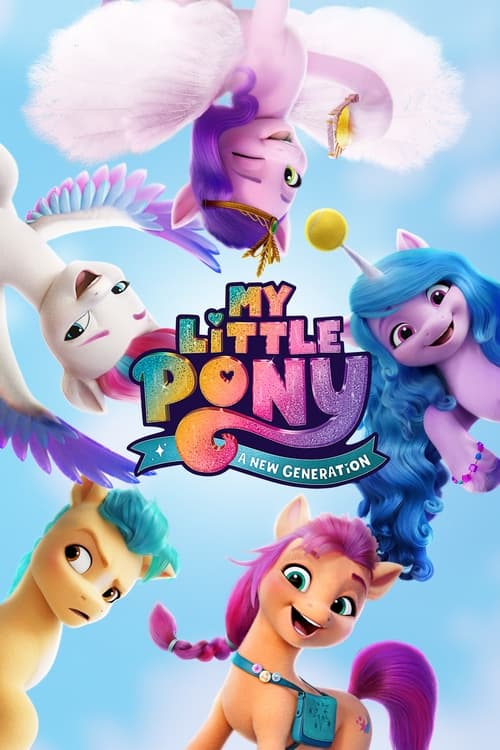
My Little Pony: A New Generation
Animation · 2021
Equestria's divided. But a bright-eyed hero believes Earth Ponies, Pegasi and Unicorns should be pals — and, hoof to heart, she’s determined to prove it.
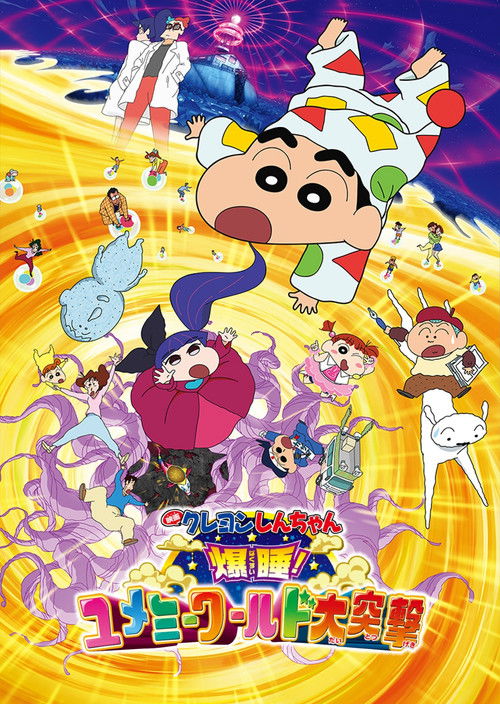
Crayon Shin-chan: Fast Asleep! The Great Assault on Dreamy World!
Adventure · 2016
One night, the Nohara family were enjoying a pleasant dream, when suddenly a big fish appeared in their dreams and ate them. The next morning, Hiroshi read in the newspaper that everybody in another town had the same nightmare as him, but it seemed to have ended. But Hiroshi also heard the same dream from Misae, Shinnosuke, Himawari and even Shiro. They were surprised and thought if the same thing is happening in Kasukabe too. In kindergarten, on telling others about his nightmare, Shinnosuke was surprised to know that everybody too had the same dream. Then a mysterious girl named Saki was transferred to Futaba Kindergarten and joined Shinnosuke's class. Everyone in the class, including the rather inactive Bo-chan, were all excited and happy on seeing her. But Saki had a cold attitude and didn't get along well.
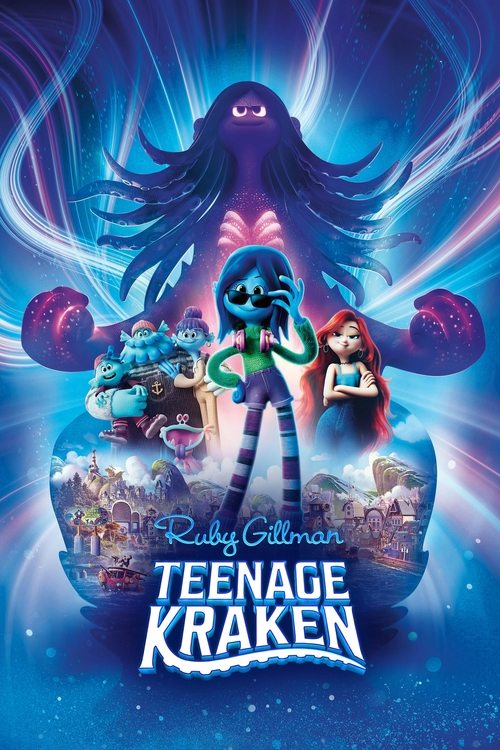
Ruby Gillman, Teenage Kraken
Animation · 2023
Ruby Gillman, a sweet and awkward high school student, discovers she's a direct descendant of the warrior kraken queens. The kraken are sworn to protect the oceans of the world against the vain, power-hungry mermaids. Destined to inherit the throne from her commanding grandmother, Ruby must use her newfound powers to protect those she loves most.
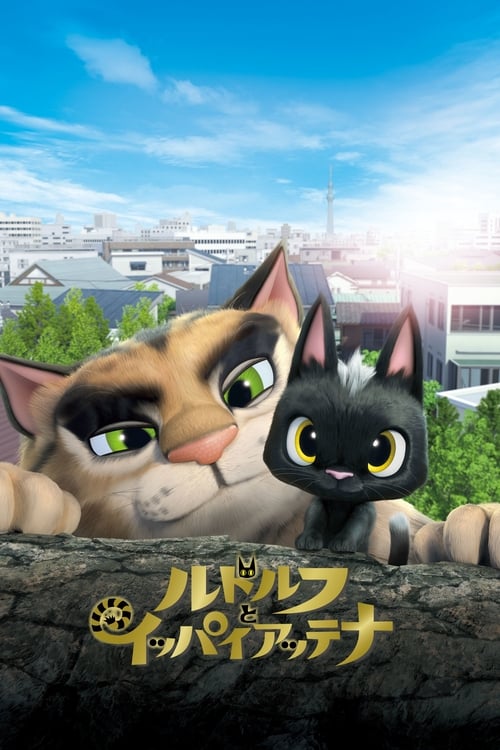
Rudolf the Black Cat
Comedy · 2016
Rudolf, a black stray cat, is suddenly separated from his beloved master. He unexpectedly wakes up in a long-distance truck that takes him to metropolis Tokyo. There, he meets Ippai-attena, a big boss cat feared by everyone in town. Unable to return home, Rudolf starts a life as a stray with Ippai-attena, but Ippai-attena isn't all that he seems to be.
Cinema release signals and current streaming, rental, and purchase options for your region.
Streaming availability data supplied by JustWatch.
Cast & crew
Directed by
Hayao Miyazaki
Written by
Hayao Miyazaki

Yuria Kozuki
Ponyo (voice)

Hiroki Doi
Sosuke (voice)

George Tokoro
Fujimoto (voice)

Tomoko Yamaguchi
Risa (voice)

Yuki Amami
Gran Mamare (voice)

Kazushige Nagashima
Koichi (voice)

Akiko Yano
Ponyo's Sister (voice)
Two incompatible taste archetypes. One film. Read the arguments, then issue a completely binding cultural ruling.
“Sincerity is not manipulation.”
The film risks embarrassment to make emotion communal, and that openness is harder than fashionable detachment.
“The strings are showing.”
Every cue tells you exactly what to feel and when, leaving sentiment to do the work character should have done.