The defence The Prestige Tourist
“Sincerity is not manipulation.”
The film risks embarrassment to make emotion communal, and that openness is harder than fashionable detachment.

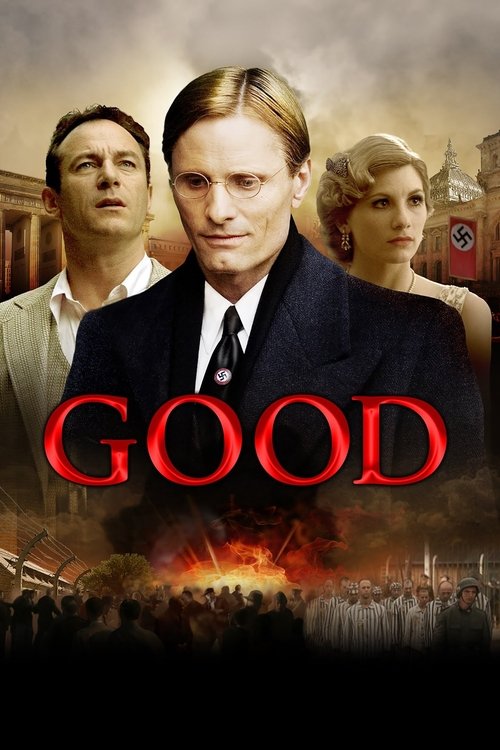
Good
Drama · 2008
When John Halder's latest novel is enlisted by powerful political figures in the Nazi party to push their agenda, his career and social standing instantly advance. But after learning of the Reich's horrific plans for the future and the devastating effects they will have on people close to him, John must decide whether or not to take a stand and risk losing everything.
“Evil triumphs when good men do nothing.”
Critical arithmetic
Scores change. Arguments endure.
TMDB
6.0 / 10
Community rating
When John Halder's latest novel is enlisted by powerful political figures in the Nazi party to push their agenda, his career and social standing instantly advance. But after learning of the Reich's horrific plans for the future and the devastating effects they will have on people close to him, John must decide whether or not to take a stand and risk losing everything.
Not a recommendation score. A measure of how closely the film’s taste signals resemble yours.
The archetype split
The Prestige Tourist
“You like your greatness pre-approved.”
Read their caseThe Adrenaline Seeker
“If it slows down, you check your phone.”
Read their objectionThe split comes from the same five-axis model used by the test, not audience ratings or review sentiment.
TMDB supplies the candidates. CriticWise reorders them by craft, strangeness, prestige, emotion, and pace.

Salomé
Drama · 2013
After the lewd and frenetic Dance of the Seven Veils, and with the solemn pledge from the very lips of Herod himself that she could have whatever her heart desires up to half his kingdom, wanton and proud young Salomé comes before her king with an unreasonable demand. Beguiled by John the Baptist, and then scorned for the sake of his god, lascivious Salomé—encouraged by her mother, the vindictive, Herodias—commands that John be executed and his head delivered on a silver platter.
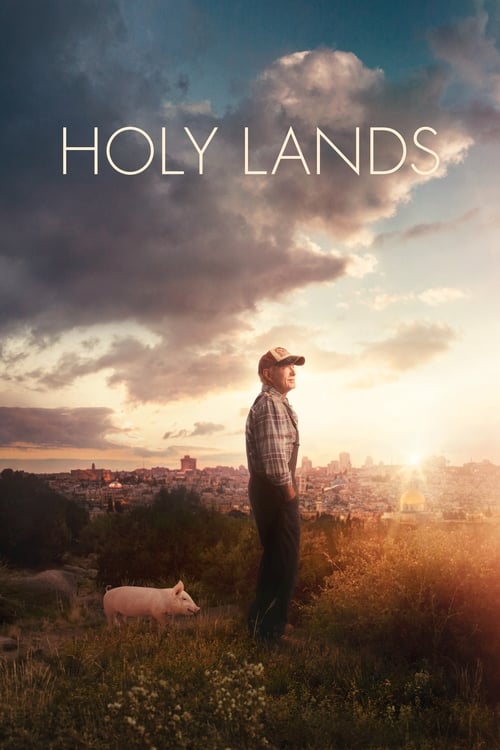
Holy Lands
Drama · 2019
When lapsed Jew and former cardiologist Harry suddenly decides to spend his retirement as a pig farmer in Nazareth, Israel, the move deeply shocks his family and his new neighbours. Back in New York, Harry’s ex-wife Monica is trying to manage the lives of their adult children, Annabelle and David, as well as her own.

Gracie
Drama · 2007
A teenager faces an uphill battle when she fights to give women the opportunity to play competitive soccer.

Hardball
Drama · 2001
An aimless young man who is scalping tickets, gambling and drinking, agrees to coach a Little League team from the Cabrini Green housing project in Chicago as a condition of getting a loan from a friend.
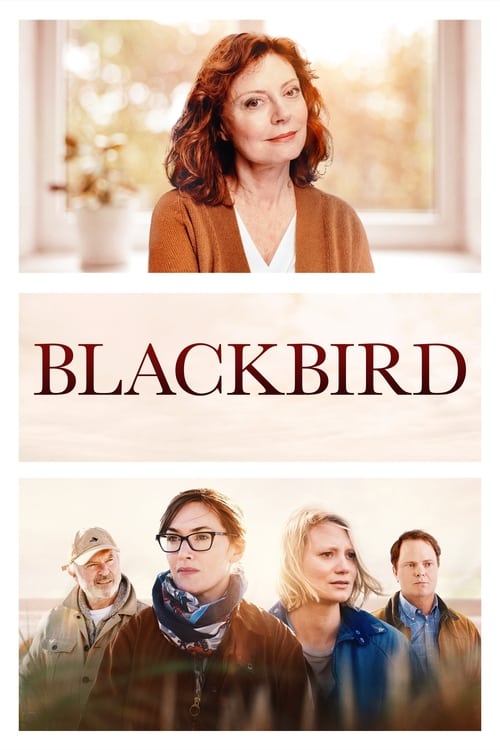
Blackbird
Drama · 2019
A terminally ill mother invites her family to their country house for one final gathering, but tensions quickly boil over between her two daughters.

The Young One
Drama · 1960
A jazz musician seeks refuge from a lynch mob on a remote island, where he meets a hostile game warden and the young object of his attentions.

Bastard Out of Carolina
Drama · 1996
A poor, struggling South Carolinian mother and daughter face painful choices with their resolve and pride. Bone, the eldest daughter, and Anney her tired mother, grow both closer and farther apart: Anney sees Glen as her last chance.

Max
War · 2002
In 1918, a young, disillusioned Adolf Hitler strikes up a friendship with a Jewish art dealer while weighing a life of passion for art vs. talent at politics
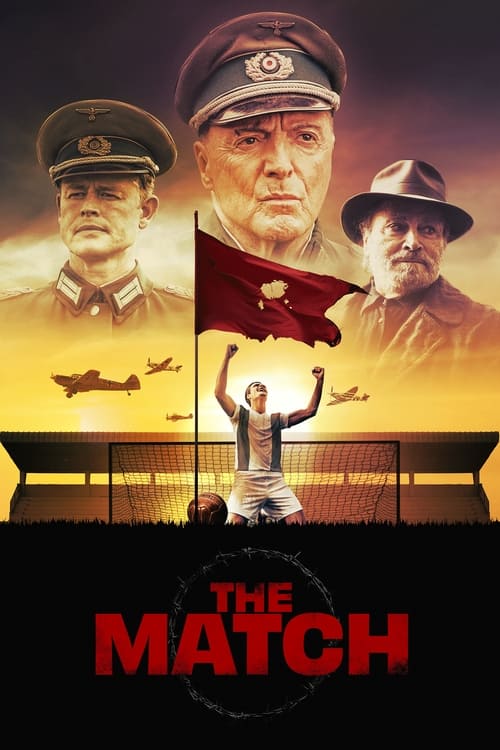
The Match
Drama · 2021
Inspired by true events from the spring of 1944 when the Nazis organized a football match between a team of camp inmates and an elite Nazi team on Adolf Hitler's birthday. A match the prisoners are determined to win, no matter what happens.
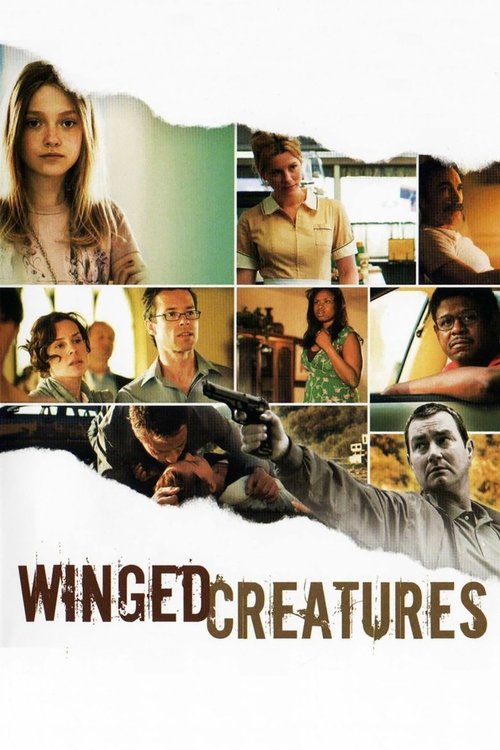
Winged Creatures
Crime · 2009
A psychotic man opens fire in a diner, murdering numerous people before killing himself. The survivors struggle in different ways following this horrendous event: a doctor doubts his own instincts and elects to use an experimental medical procedure on his wife, while a gambler believes he's on a lucky streak. A waitress begins engaging in promiscuous sex, and a young girl whose father is among the dead gains unexpected fame.
Cinema release signals and current streaming, rental, and purchase options for your region.
Streaming availability data supplied by JustWatch.
Cast & crew
Directed by
Vicente Amorim
Written by
John Wrathall

Viggo Mortensen
Halder

Jason Isaacs
Maurice

Mark Strong
Bouhler

Steven Mackintosh
Freddie

Jodie Whittaker
Anne

Gemma Jones
Mother

Anastasia Hille
Helen
Two incompatible taste archetypes. One film. Read the arguments, then issue a completely binding cultural ruling.
“Sincerity is not manipulation.”
The film risks embarrassment to make emotion communal, and that openness is harder than fashionable detachment.
“The strings are showing.”
Every cue tells you exactly what to feel and when, leaving sentiment to do the work character should have done.