The defence The Sentimental Softie
“Sincerity is not manipulation.”
The film risks embarrassment to make emotion communal, and that openness is harder than fashionable detachment.
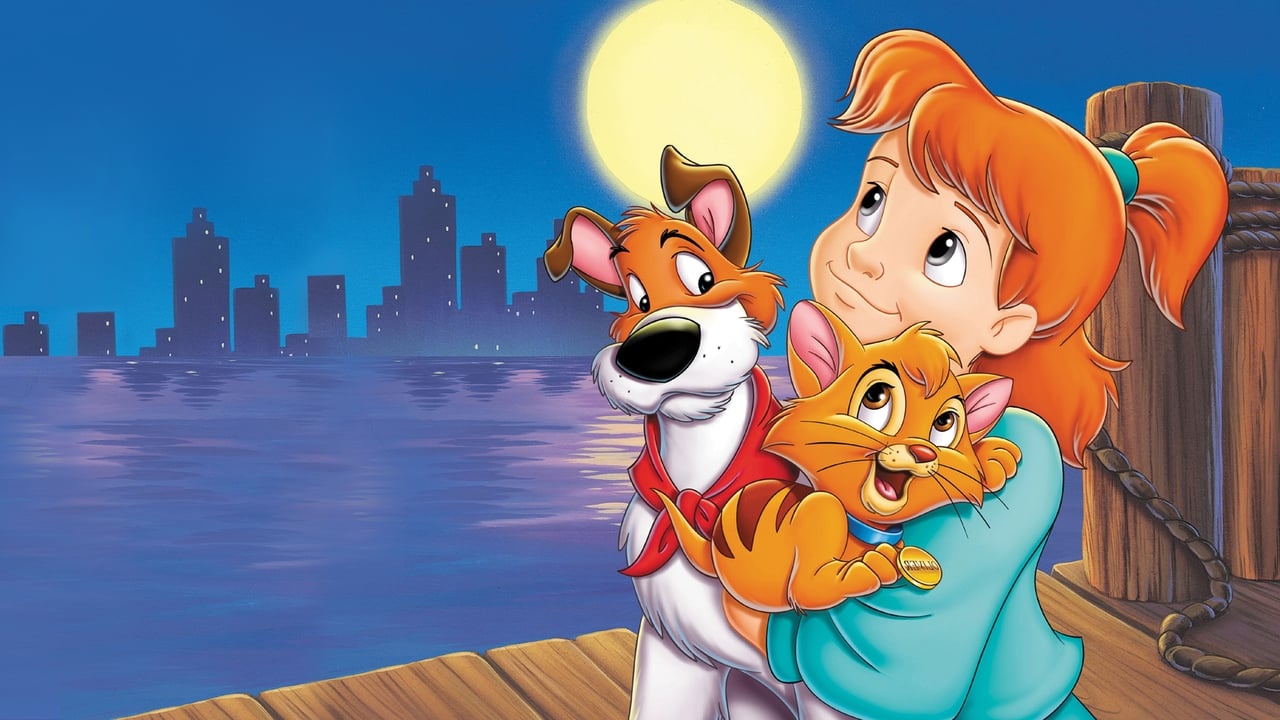

Oliver & Company
Animation · Comedy · Family · 1988
Putting its own 'twist' on the story of Oliver Twist, the orange runt of a litter of kittens must fight for survival on the rough streets on New York City, finding unlikely friends in the dogs owned by a down-on-his luck man named Fagin. Soon, Oliver and his new band of comrades must fight for survival when Fagin is unable to pay his debts.
“The first Disney movie with attitude.”
Critical arithmetic
Scores change. Arguments endure.
TMDB
6.7 / 10
Community rating
Putting its own 'twist' on the story of Oliver Twist, the orange runt of a litter of kittens must fight for survival on the rough streets on New York City, finding unlikely friends in the dogs owned by a down-on-his luck man named Fagin. Soon, Oliver and his new band of comrades must fight for survival when Fagin is unable to pay his debts.
Not a recommendation score. A measure of how closely the film’s taste signals resemble yours.
The archetype split
The Sentimental Softie
“You came to feel something, and you will.”
Read their caseThe Cool Ironist
“Feeling things is a little embarrassing.”
Read their objectionThe split comes from the same five-axis model used by the test, not audience ratings or review sentiment.
TMDB supplies the candidates. CriticWise reorders them by craft, strangeness, prestige, emotion, and pace.
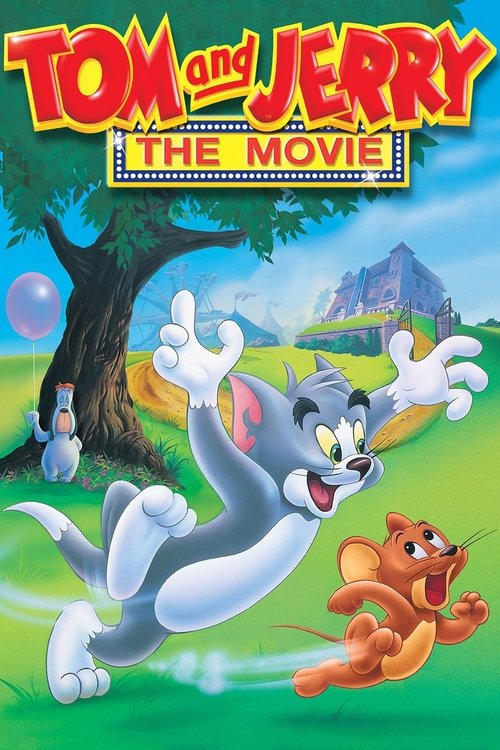
Tom and Jerry: The Movie
Animation · 1992
The popular cartoon cat and mouse are thrown into a feature film. The story has the twosome trying to help an orphan girl who is being berated and exploited by a greedy guardian.
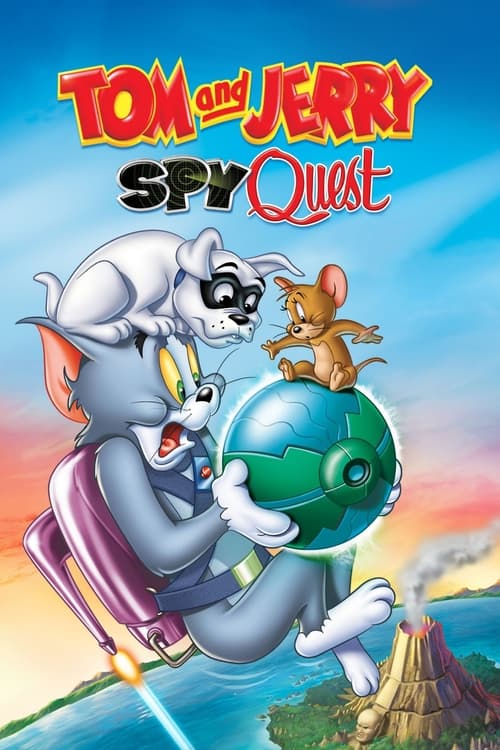
Tom and Jerry: Spy Quest
Animation · 2015
Two groups of classic cartoon characters come together in this fun-filled crossover with the popular action-adventure series Jonny Quest. Fans of all ages won't want to miss this heart-stopping romp as Tom and Jerry join Jonny Quest and his pal Hadji and embark on a dangerous spy mission in order to save the world.
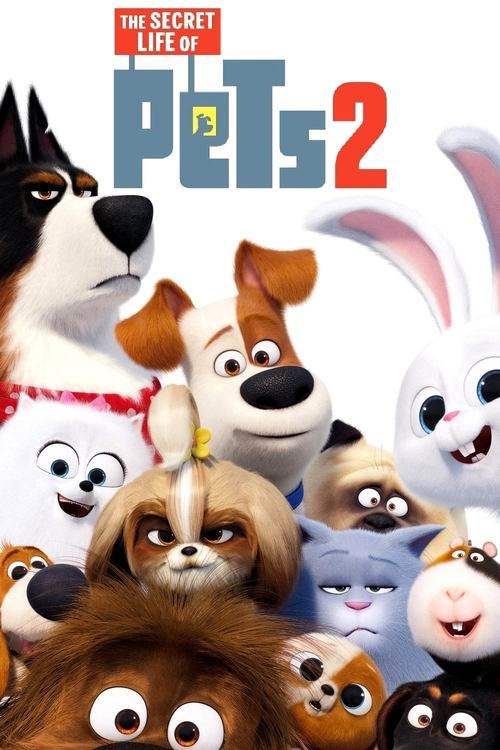
The Secret Life of Pets 2
Animation · 2019
Max the terrier must cope with some major life changes when his owner gets married and has a baby. When the family takes a trip to the countryside, nervous Max has numerous run-ins with canine-intolerant cows, hostile foxes and a scary turkey. Luckily for Max, he soon catches a break when he meets Rooster, a gruff farm dog who tries to cure the lovable pooch of his neuroses.
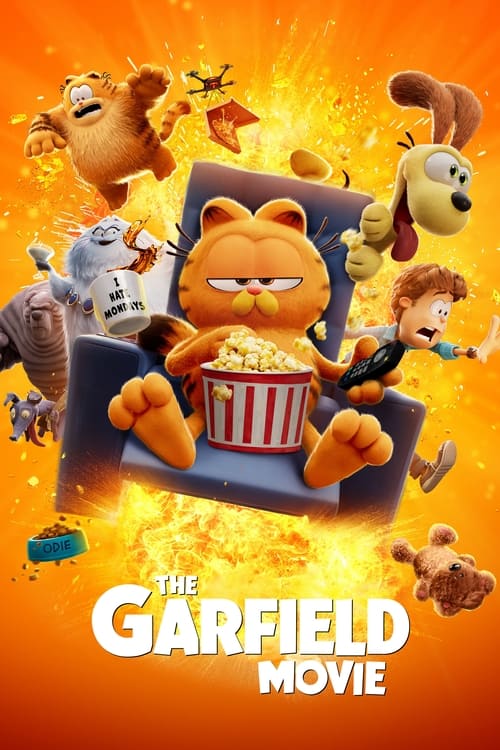
The Garfield Movie
Adventure · 2024
Garfield, the world-famous, Monday-hating, lasagna-loving indoor cat, is about to have a wild outdoor adventure! After an unexpected reunion with his long-lost father – scruffy street cat Vic – Garfield and his canine friend Odie are forced from their perfectly pampered life into joining Vic in a hilarious, high-stakes heist.
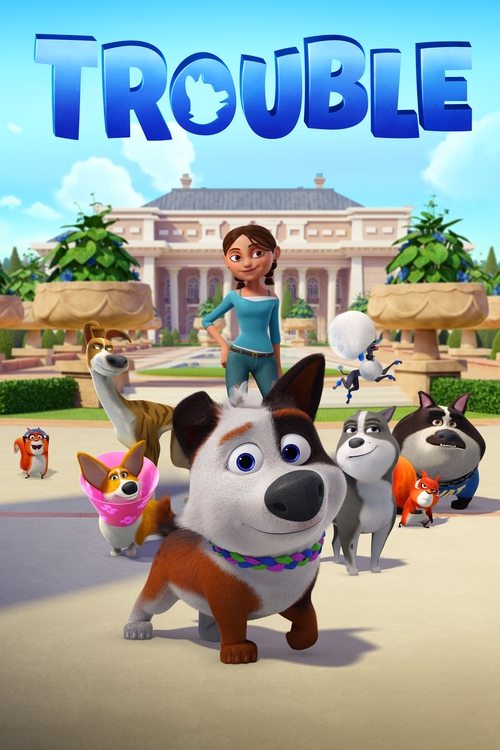
Trouble
Animation · 2019
A pampered dog named Trouble must learn to live in the real world while trying to escape from his former owner's greedy children and must learn how to survive on the big-city streets.

One Hundred and One Dalmatians
Adventure · 1961
When a litter of dalmatian puppies are abducted by the minions of Cruella De Vil, the parents must find them before she uses them for a diabolical fashion statement.
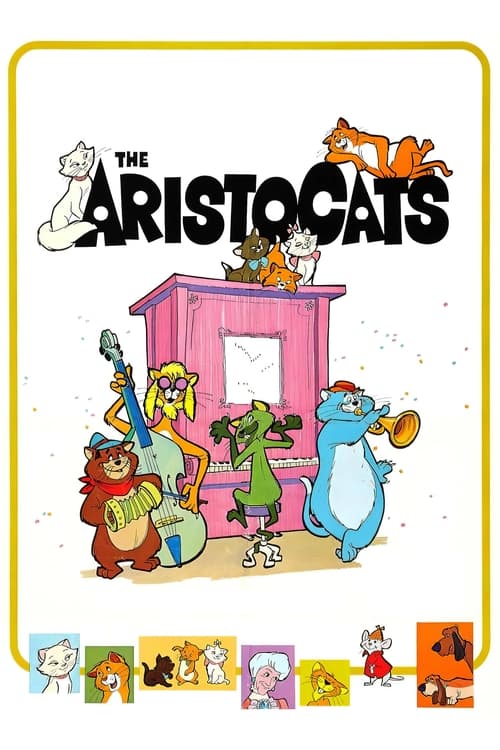
The Aristocats
Animation · 1970
When Madame Adelaide Bonfamille leaves her fortune to Duchess and her children—Bonfamille’s beloved family of cats—the butler plots to steal the money and kidnaps the legatees, leaving them out on a country road. All seems lost until the wily Thomas O’Malley Cat and his jazz-playing alley cats come to the aristocats’ rescue.
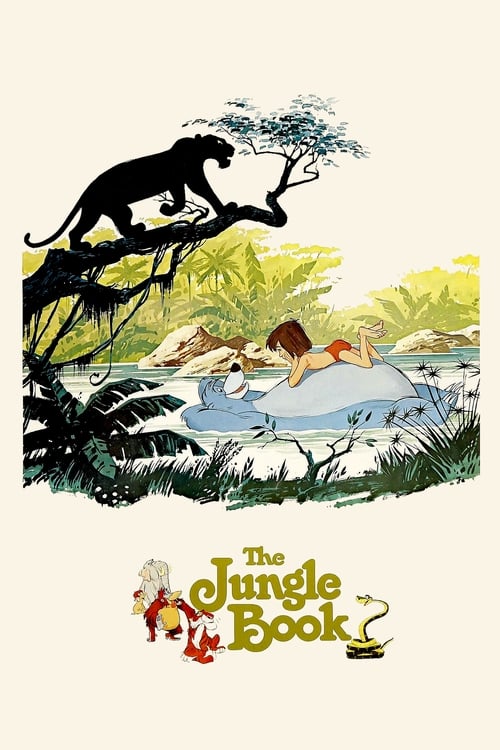
The Jungle Book
Family · 1967
The boy Mowgli makes his way to the man-village with Bagheera, the wise panther. Along the way he meets jazzy King Louie, the hypnotic snake Kaa and the lovable, happy-go-lucky bear Baloo, who teaches Mowgli "The Bare Necessities" of life and the true meaning of friendship.
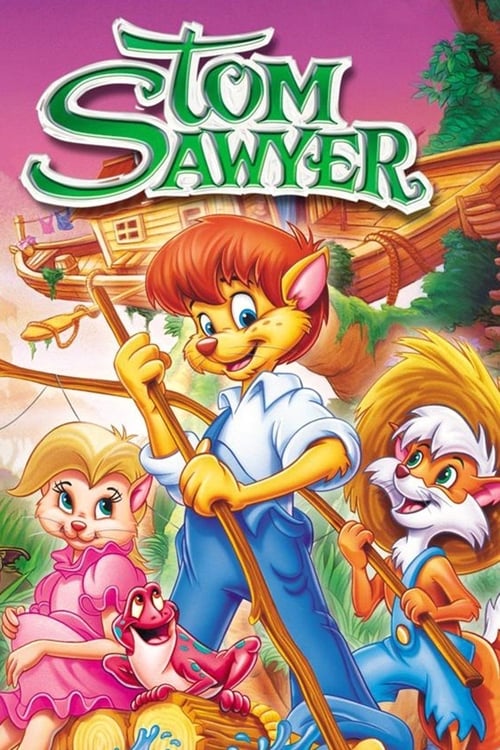
Tom Sawyer
Family · 2000
Tom Sawyer and his best buddy Huck Finn love going fishing, daydreaming about pirates and stolen gold, and thinking about Becky Thatcher - the pretty new girl at school. But when these pals set out on a quest for buried treasure, they end up face to face with the town's most "grizzly" bear, Injurin' Joe. Giving Joe the slip, they find themselves in the middle of a fantastic adventure that takes them from the mighty Mississippi to the mysterious caverns of a secret hideout where they discover fun, excitement... and a fortune beyond their wildest dreams!

Clifford's Really Big Movie
Family · 2004
Fearing that he costs too much to feed, Clifford decides to join a traveling carnival so he can enter a talent contest in hopes of winning a lifetime supply of Tummy Yummies treats. Joined by his friends Cleo and T-Bone, Clifford meets up with Shackleford the High-Flying Ferret and Rodrigo Chihuahua of Steel, as they work together to turn a broken-down act into a record-breaking show.
Cinema release signals and current streaming, rental, and purchase options for your region.
Streaming availability data supplied by JustWatch.
Cast & crew
Directed by
George Scribner
Written by
Jim Cox · James Mangold · Tim Disney · Roger Allers

Joey Lawrence
Oliver (voice)

Billy Joel
Dodger (voice)

Cheech Marin
Tito (voice)

Richard Mulligan
Einstein (voice)
Roscoe Lee Browne
Francis (voice)

Sheryl Lee Ralph
Rita (voice)

Bette Midler
Georgette (voice)
Two incompatible taste archetypes. One film. Read the arguments, then issue a completely binding cultural ruling.
“Sincerity is not manipulation.”
The film risks embarrassment to make emotion communal, and that openness is harder than fashionable detachment.
“The strings are showing.”
Every cue tells you exactly what to feel and when, leaving sentiment to do the work character should have done.