The defence The Sentimental Softie
“Sincerity is not manipulation.”
The film risks embarrassment to make emotion communal, and that openness is harder than fashionable detachment.
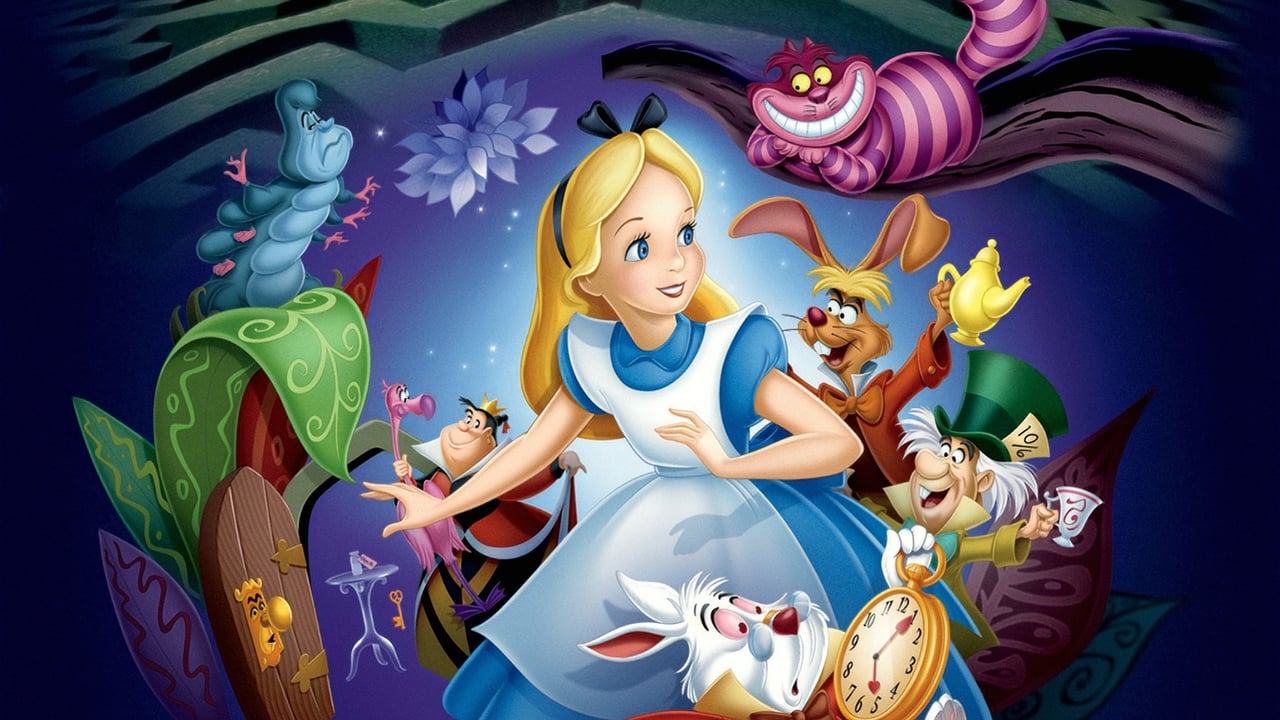
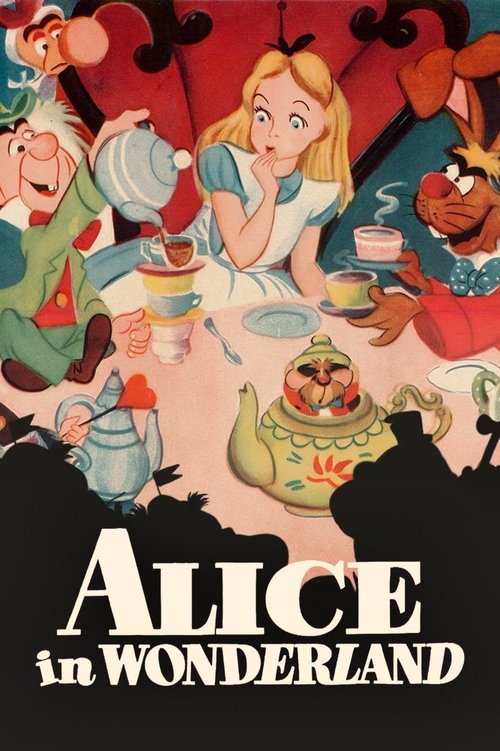
Alice in Wonderland
Animation · Family · Fantasy · 1951
On a golden afternoon, wildly curious young Alice tumbles into the burrow and enters the merry, madcap world of Wonderland full of whimsical escapades.
“A world of wonders in one great picture!”
Critical arithmetic
Scores change. Arguments endure.
TMDB
7.2 / 10
Community rating
On a golden afternoon, wildly curious young Alice tumbles into the burrow and enters the merry, madcap world of Wonderland full of whimsical escapades.
Not a recommendation score. A measure of how closely the film’s taste signals resemble yours.
The archetype split
The Sentimental Softie
“You came to feel something, and you will.”
Read their caseThe Cool Ironist
“Feeling things is a little embarrassing.”
Read their objectionThe split comes from the same five-axis model used by the test, not audience ratings or review sentiment.
TMDB supplies the candidates. CriticWise reorders them by craft, strangeness, prestige, emotion, and pace.
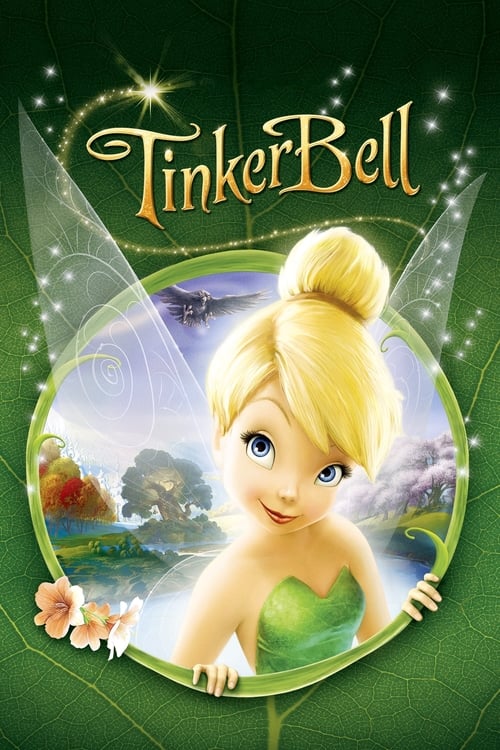
Tinker Bell
Animation · 2008
Journey into the secret world of Pixie Hollow and hear Tinker Bell speak for the very first time as the astonishing story of Disney's most famous fairy is finally revealed in the all-new motion picture "Tinker Bell."
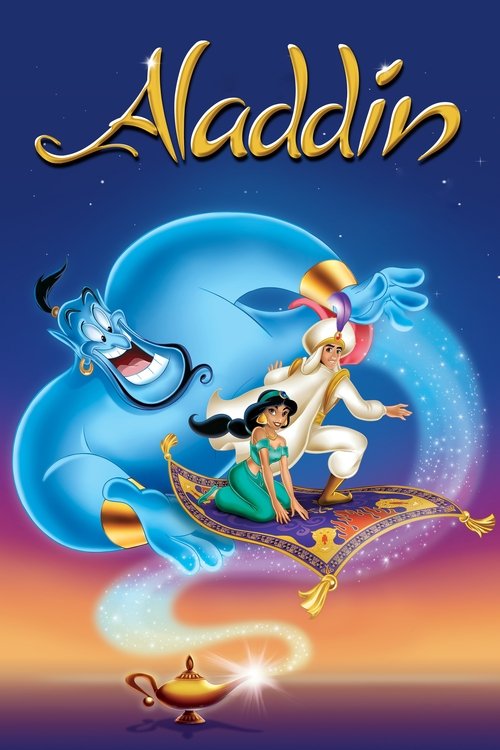
Aladdin
Animation · 1992
In the boorish city of Agrabah, kind-hearted street urchin Aladdin and Princess Jasmine fall in love, although she can only marry a prince. He and power-hungry Grand Vizier Jafar vie for a magic lamp that can fulfill their wishes.
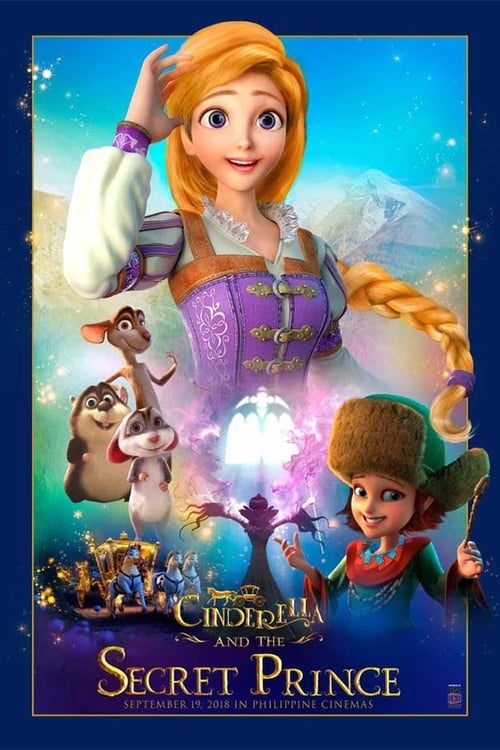
Cinderella and the Secret Prince
Animation · 2018
Cinderella discovers a secret that could shake their world: an evil witch turned the prince into a mouse and replaced him with a look-alike. Cinderella and her friends must save the real prince and help him defeat the evil witch.
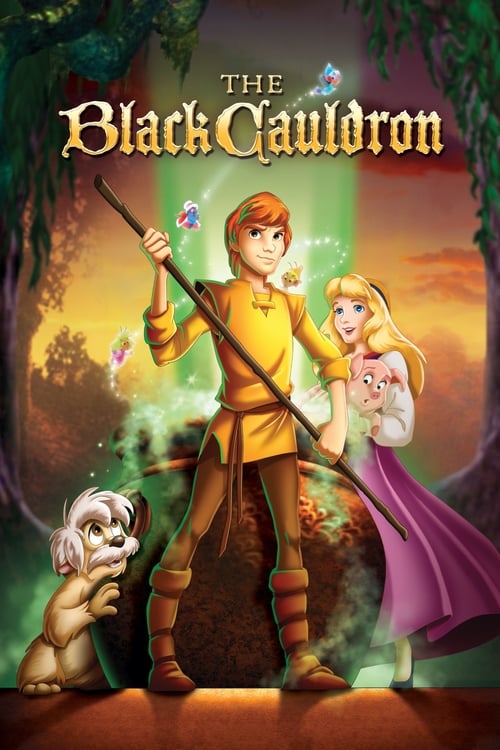
The Black Cauldron
Animation · 1985
Taran is an assistant pigkeeper with boyish dreams of becoming a great warrior. However, he has to put the daydreaming aside when his charge, an oracular pig named Hen Wen, is kidnapped by an evil lord known as the Horned King. The villain hopes Hen will show him the way to The Black Cauldron, which has the power to create a giant army of unstoppable soldiers.

PAW Patrol: Ready, Race, Rescue!
Animation · 2019
It’s the Adventure Bay 500! The pups have built an awesome race track and are ready to be the pit crew for their race hero, The Whoosh! But when the legendary racer is unable to drive in the championship race, he calls on his biggest fan-pup Marshall to take the wheel and race in his place! Marshall has to overcome his lack of confidence and his dastardly competition, The Cheetah, to fulfill his dream of becoming the fastest race-pup ever!
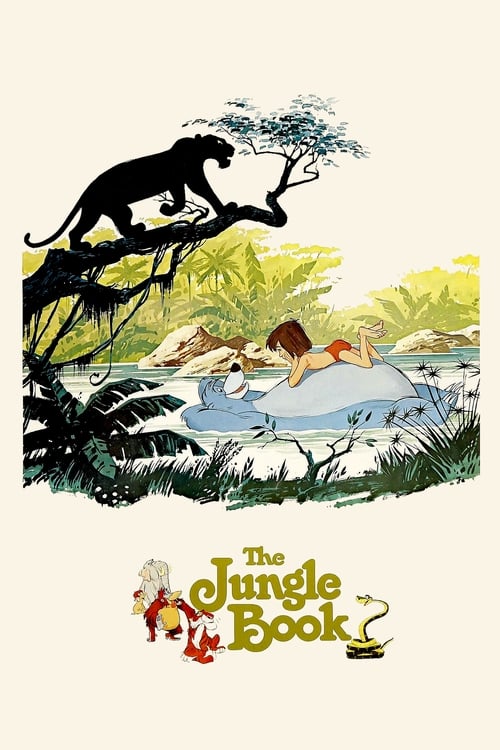
The Jungle Book
Family · 1967
The boy Mowgli makes his way to the man-village with Bagheera, the wise panther. Along the way he meets jazzy King Louie, the hypnotic snake Kaa and the lovable, happy-go-lucky bear Baloo, who teaches Mowgli "The Bare Necessities" of life and the true meaning of friendship.
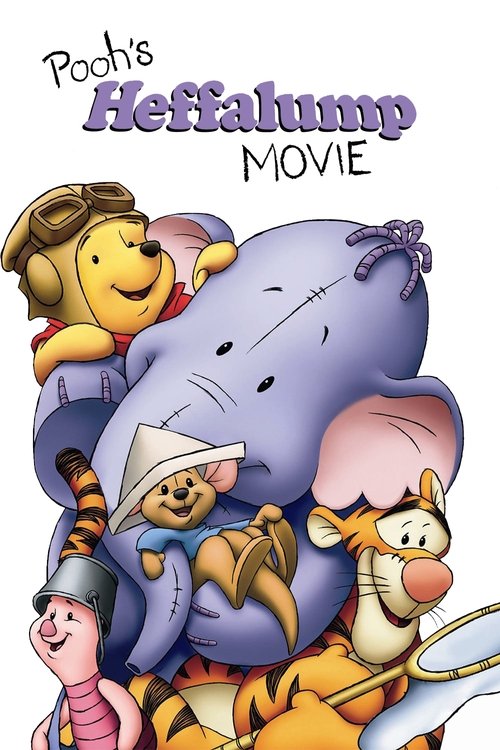
Pooh's Heffalump Movie
Family · 2005
Who or what exactly is a Heffalump? The lovable residents of the Hundred Acre Wood -- Winnie the Pooh, Rabbit, Tigger, Eeyore, Kanga and the rest of the pack -- embark on a journey of discovery in search of the elusive Heffalump. But as is always the case, this unusual road trip opens their eyes to so much more than just the creature they're seeking.

Tom and Jerry & The Wizard of Oz
Animation · 2011
After a deadly storm, Tom and Jerry find themselves stranded on an unknown island ruled by the evil Wizard of Oz. As they try to find their way back home, they worry for their master Dorothy's safety.
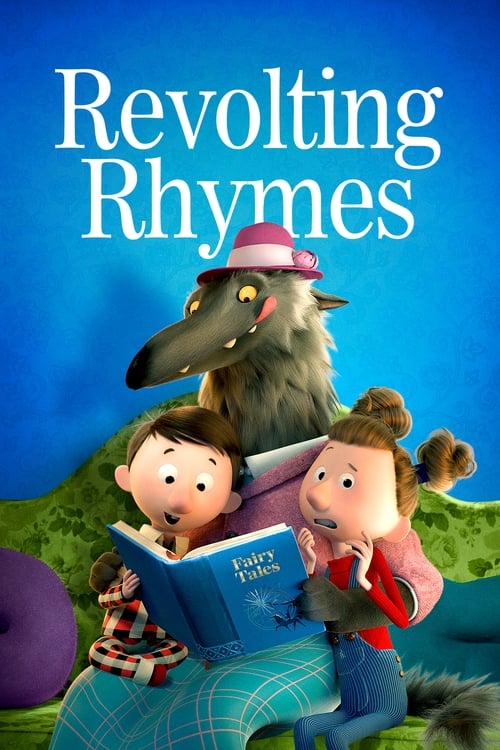
Revolting Rhymes
Family · 2017
Two half-hour animated films based on the much-loved rhymes written by Roald Dahl and illustrated by Quentin Blake.
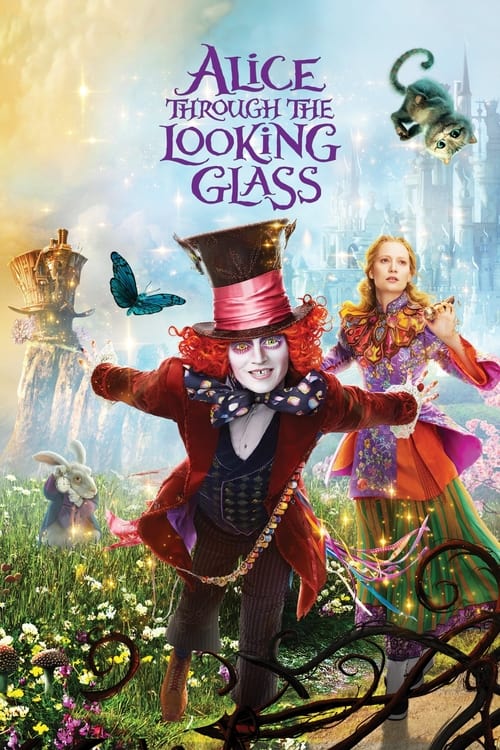
Alice Through the Looking Glass
Adventure · 2016
Alice Kingsleigh returns to Underland and faces a new adventure in saving the Mad Hatter.
Cinema release signals and current streaming, rental, and purchase options for your region.
Streaming availability data supplied by JustWatch.
Cast & crew
Directed by
Clyde Geronimi · Wilfred Jackson · Hamilton Luske
Written by
Aldous Huxley · Winston Hibler · Ted Sears · Bill Peet

Kathryn Beaumont
Alice (voice)

Ed Wynn
Mad Hatter (voice)

Richard Haydn
Caterpillar (voice)

Sterling Holloway
Cheshire Cat (voice)

Jerry Colonna
March Hare (voice)

Verna Felton
Queen of Hearts (voice)
J. Pat O'Malley
Walrus / Carpenter / Dee / Dum (voice)
Two incompatible taste archetypes. One film. Read the arguments, then issue a completely binding cultural ruling.
“Sincerity is not manipulation.”
The film risks embarrassment to make emotion communal, and that openness is harder than fashionable detachment.
“The strings are showing.”
Every cue tells you exactly what to feel and when, leaving sentiment to do the work character should have done.