The defence The Sentimental Softie
“Sincerity is not manipulation.”
The film risks embarrassment to make emotion communal, and that openness is harder than fashionable detachment.
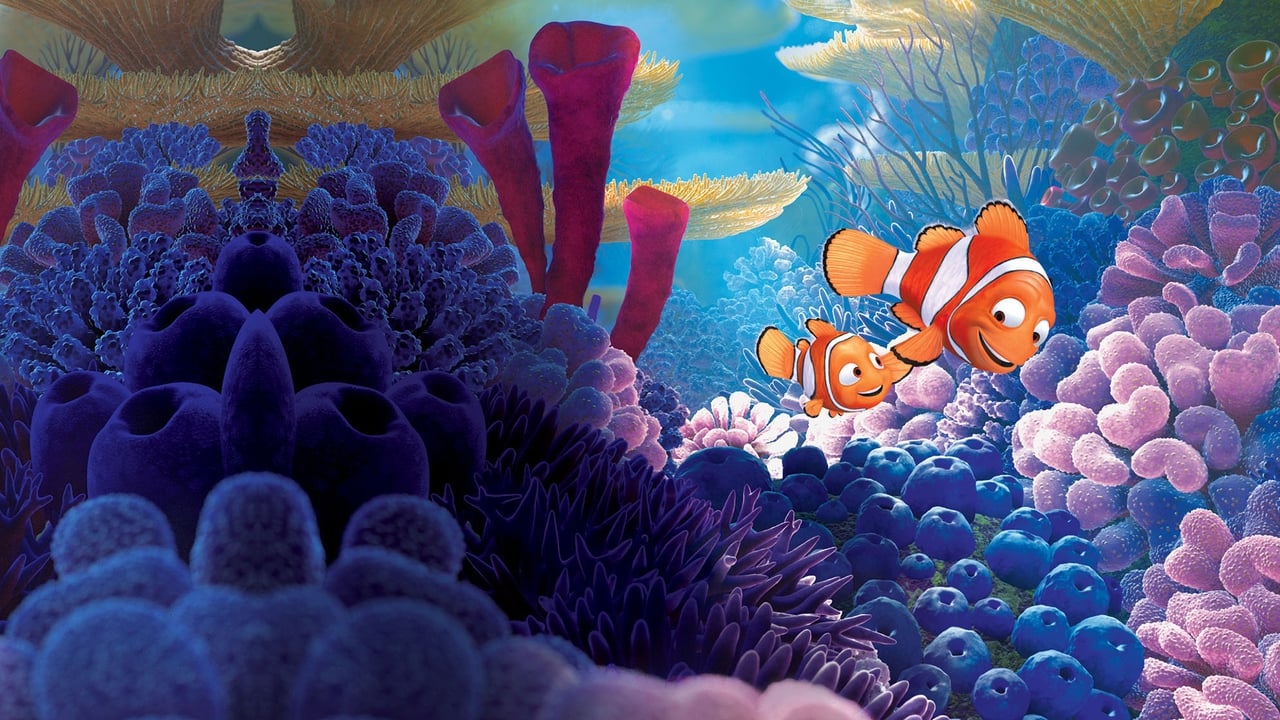
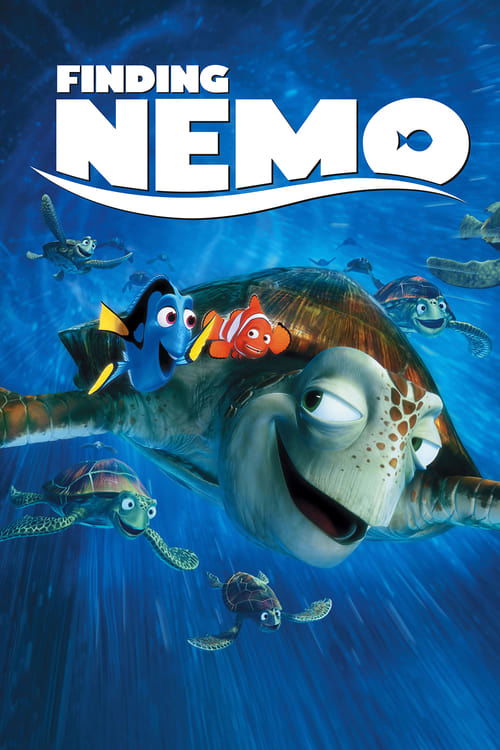
Finding Nemo
Animation · Family · Adventure · 2003
Nemo, an adventurous young clownfish, is unexpectedly taken from his Great Barrier Reef home to a dentist's office aquarium. It's up to his worrisome father Marlin and a friendly but forgetful fish Dory to bring Nemo home -- meeting vegetarian sharks, surfer dude turtles, hypnotic jellyfish, hungry seagulls, and more along the way.
“There are 3.7 trillion fish in the ocean. They're looking for one.”
Critical arithmetic
Scores change. Arguments endure.
IMDb
8.2 / 10
1.2M votes
Rotten Tomatoes
99 %
Tomatometer
Metacritic
90 / 100
Metascore
TMDB
7.8 / 10
Community rating
External scores via OMDb · CC BY-NC 4.0. Values normalized for display; availability varies by title.
Nemo, an adventurous young clownfish, is unexpectedly taken from his Great Barrier Reef home to a dentist's office aquarium. It's up to his worrisome father Marlin and a friendly but forgetful fish Dory to bring Nemo home -- meeting vegetarian sharks, surfer dude turtles, hypnotic jellyfish, hungry seagulls, and more along the way.
Not a recommendation score. A measure of how closely the film’s taste signals resemble yours.
The archetype split
The Sentimental Softie
“You came to feel something, and you will.”
Read their caseThe Cool Ironist
“Feeling things is a little embarrassing.”
Read their objectionThe split comes from the same five-axis model used by the test, not audience ratings or review sentiment.
TMDB supplies the candidates. CriticWise reorders them by craft, strangeness, prestige, emotion, and pace.
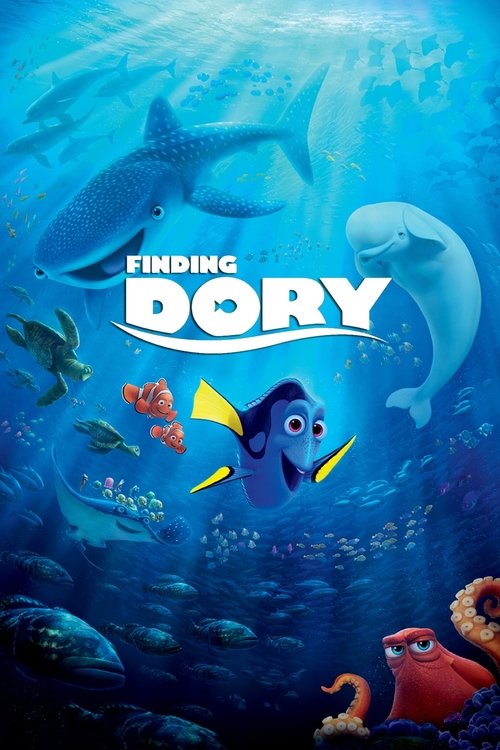
Finding Dory
Adventure · 2016
Dory is reunited with her friends Nemo and Marlin in the search for answers about her past. What can she remember? Who are her parents? And where did she learn to speak Whale?
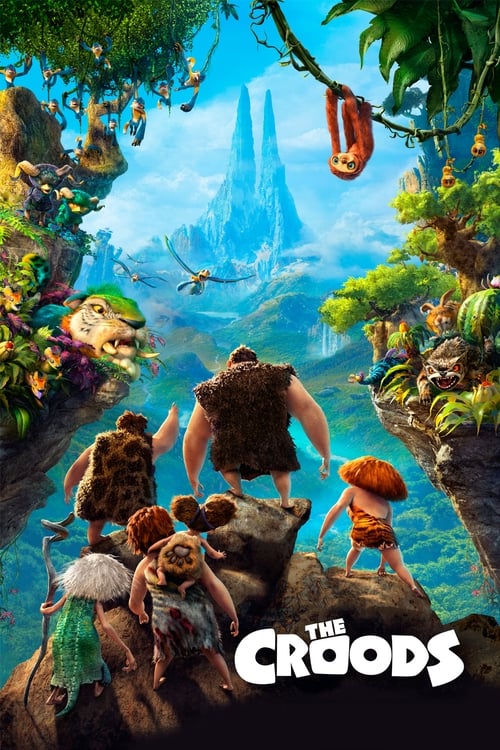
The Croods
Animation · 2013
The prehistoric Croods family live in a particularly dangerous moment in time. Patriarch Grug, his mate Ugga, teenage daughter Eep, son Thunk, and feisty Gran gather food by day and huddle together in a cave at night. When a more evolved caveman named Guy arrives on the scene, Grug is distrustful, but it soon becomes apparent that Guy is correct about the impending destruction of their world.
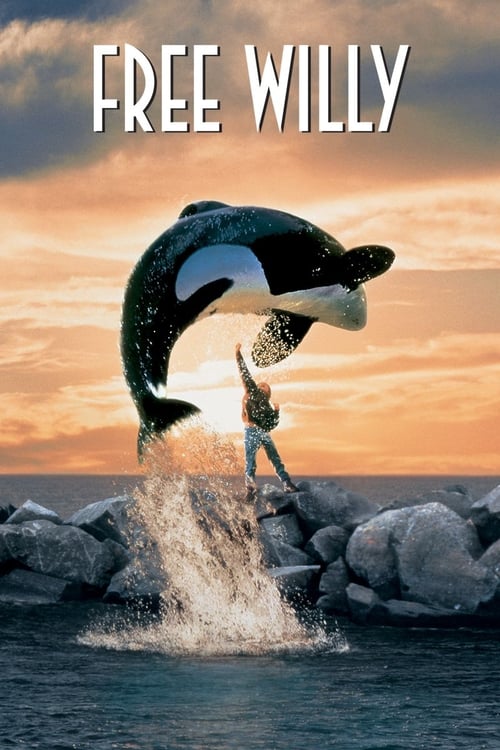
Free Willy
Family · 1993
When maladjusted orphan Jesse vandalizes a theme park, he is placed with foster parents and must work at the park to make amends. There he meets Willy, a young Orca whale who has been separated from his family. Sensing kinship, they form a bond and, with the help of kindly whale trainer Rae Lindley, develop a routine of tricks. However, greedy park owner Dial soon catches wind of the duo and makes plans to profit from them.
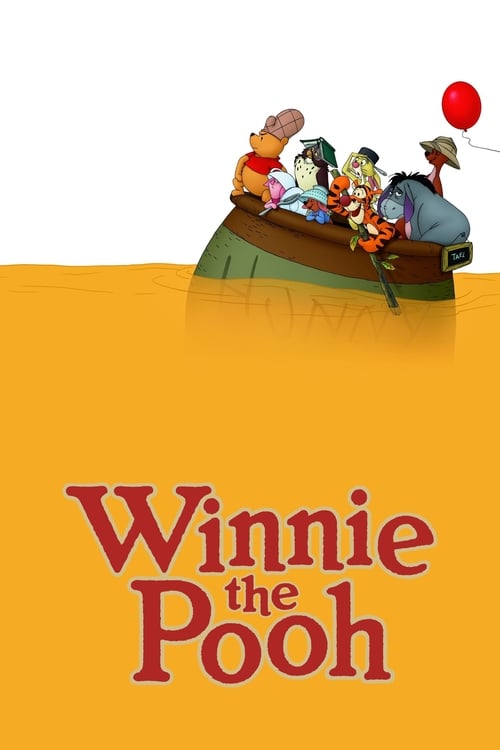
Winnie the Pooh
Animation · 2011
During an ordinary day in Hundred Acre Wood, Winnie the Pooh sets out to find some honey. Misinterpreting a note from Christopher Robin, Owl convinces Pooh, Tigger, Rabbit, Piglet, Kanga, Roo, and Eeyore that their young friend has been captured by a creature named "Backson" and they set out to rescue him.
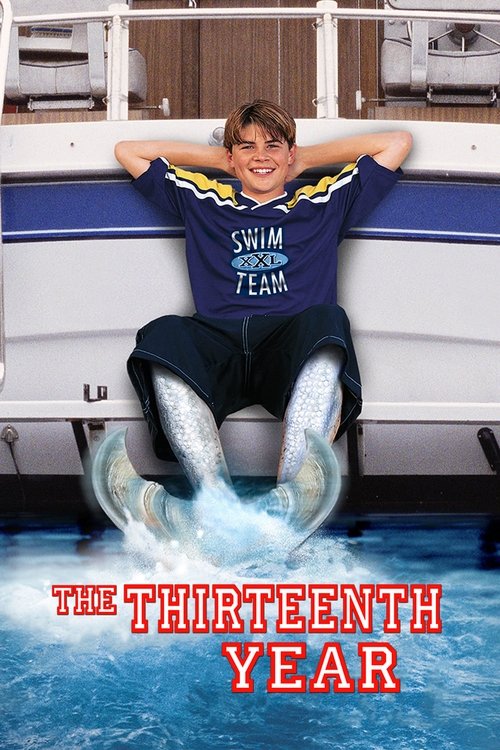
The Thirteenth Year
TV Movie · 1999
A teen learns that his birth mother is a mermaid after he begins to grow fins and slimy scales on his thirteenth birthday.
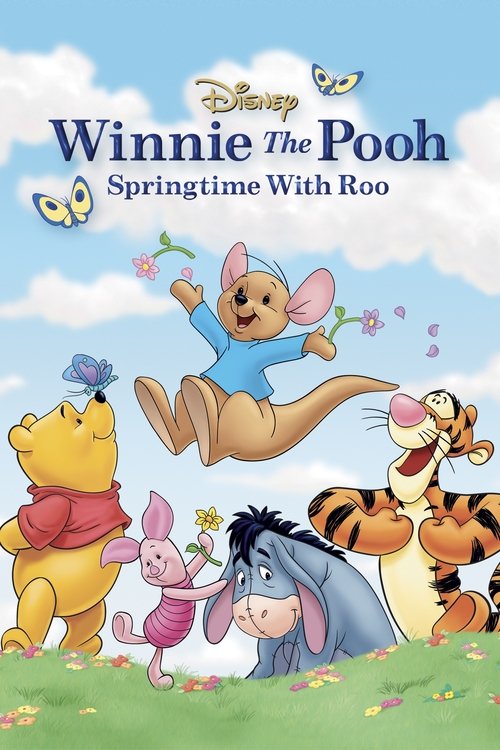
Winnie the Pooh: Springtime with Roo
Adventure · 2004
Spring has sprung, and baby Roo is excited to get out and explore and make new friends. But Rabbit seems preoccupied with spring cleaning, instead of embracing his usual role of playing Easter Bunny. Leave it to Roo to show Rabbit -- through love -- that it's more important who you love and not who's in charge.
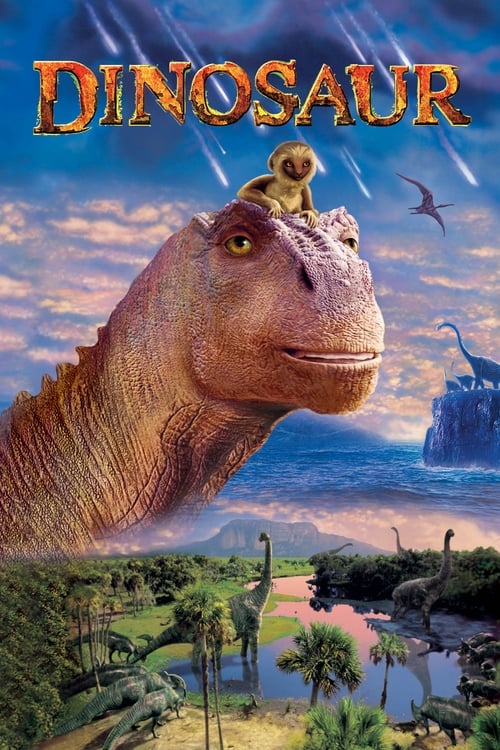
Dinosaur
Adventure · 2000
An orphaned dinosaur raised by lemurs joins an arduous trek to a sancturary after a meteorite shower destroys his family home.
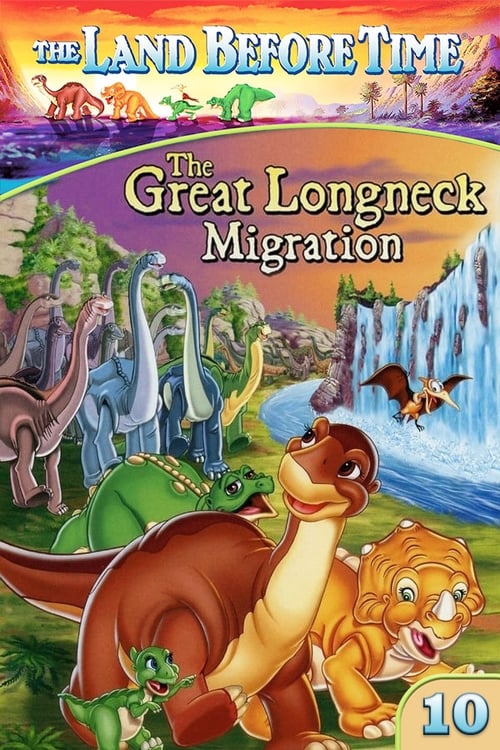
The Land Before Time X: The Great Longneck Migration
Animation · 2003
A bedtime story leads Littlefoot and his grandparents on a journey to a new land, where Littlefoot discovers someone who vanished before he was born: his father! Now Littlefoot must decide between two worlds. Will he leave to be with his friends in the Great Valley, or stay behind and start a new life with his father?
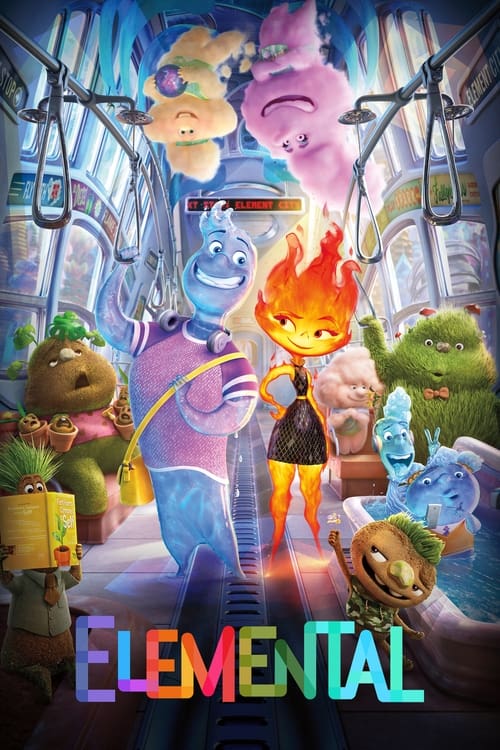
Elemental
Animation · 2023
In a city where fire, water, land and air residents live together, a fiery young woman and a go-with-the-flow guy will discover something elemental: how much they have in common.
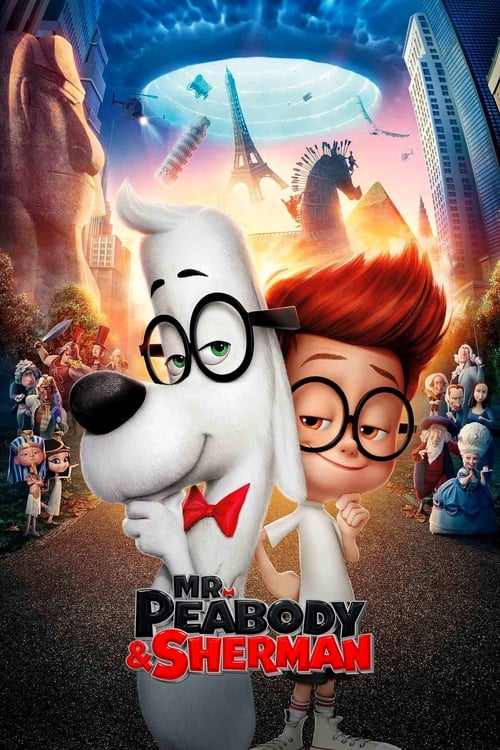
Mr. Peabody & Sherman
Animation · 2014
A young boy and his dog, who happens to have a genius-level IQ, spring into action when their time-machine is stolen and moments in history begin to be changed.
Cinema release signals and current streaming, rental, and purchase options for your region.
Streaming availability data supplied by JustWatch.
Cast & crew
Directed by
Andrew Stanton
Written by
David Reynolds · Bob Peterson · Andrew Stanton

Albert Brooks
Marlin (voice)

Ellen DeGeneres
Dory (voice)

Alexander Gould
Nemo (voice)

Willem Dafoe
Gill (voice)

Geoffrey Rush
Nigel (voice)

Brad Garrett
Bloat (voice)

Allison Janney
Peach (voice)
Two incompatible taste archetypes. One film. Read the arguments, then issue a completely binding cultural ruling.
“Sincerity is not manipulation.”
The film risks embarrassment to make emotion communal, and that openness is harder than fashionable detachment.
“The strings are showing.”
Every cue tells you exactly what to feel and when, leaving sentiment to do the work character should have done.