The defence The Sentimental Softie
“Sincerity is not manipulation.”
The film risks embarrassment to make emotion communal, and that openness is harder than fashionable detachment.
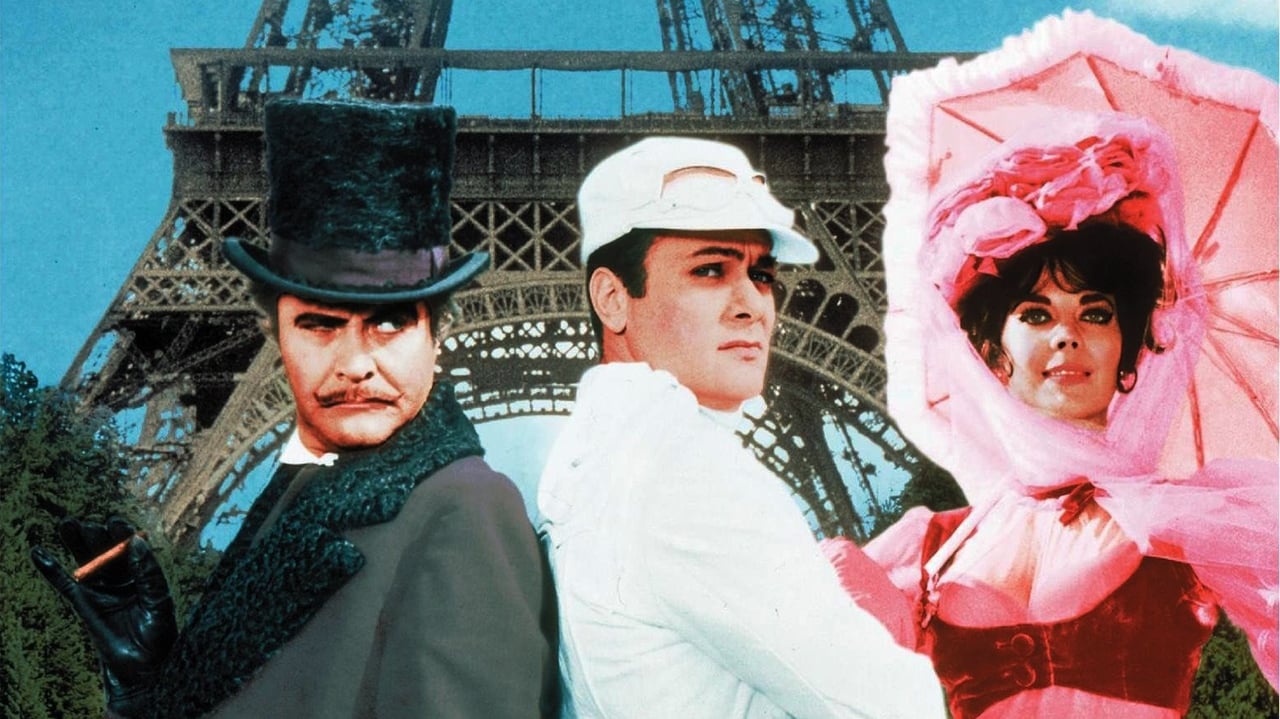
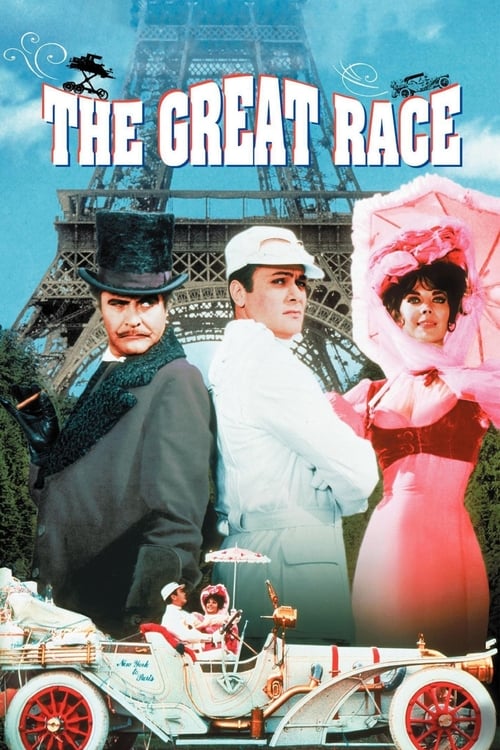
The Great Race
Comedy · Adventure · Romance · 1965
Professional daredevil and white-suited hero, The Great Leslie, convinces turn-of-the-century auto makers that a race from New York to Paris (westward across America, the Bering Straight and Russia) will help to promote automobile sales. Leslie's arch-rival, the mustached and black-attired Professor Fate vows to beat Leslie to the finish line in a car of Fate's own invention.
“The movie with 20,000-miles or one-million-laughs guarantee!”
Critical arithmetic
Scores change. Arguments endure.
TMDB
7.1 / 10
Community rating
Professional daredevil and white-suited hero, The Great Leslie, convinces turn-of-the-century auto makers that a race from New York to Paris (westward across America, the Bering Straight and Russia) will help to promote automobile sales. Leslie's arch-rival, the mustached and black-attired Professor Fate vows to beat Leslie to the finish line in a car of Fate's own invention.
Not a recommendation score. A measure of how closely the film’s taste signals resemble yours.
The archetype split
The Sentimental Softie
“You came to feel something, and you will.”
Read their caseThe Cool Ironist
“Feeling things is a little embarrassing.”
Read their objectionThe split comes from the same five-axis model used by the test, not audience ratings or review sentiment.
TMDB supplies the candidates. CriticWise reorders them by craft, strangeness, prestige, emotion, and pace.
Chitty Chitty Bang Bang
Family · 1968
A hapless inventor finally finds success with a flying car, which a dictator from a foreign government sets out to take for himself.
Around the World in 80 Days
Adventure · 1956
Based on the famous book by Jules Verne the movie follows Phileas Fogg on his journey around the world. Which has to be completed within 80 days, a very short period for those days.
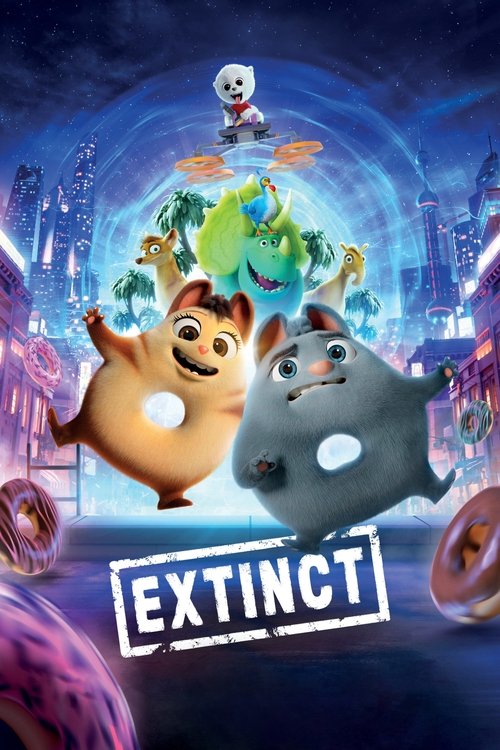
Extinct
Animation · 2021
Op and Ed, two adorable donut-shaped animals - flummels - accidentally time-travel from 1835 to modern-day Shanghai. There they discover traffic, trans fats, and worst of all, that flummels are now extinct. It's up to this bumbling pair to save themselves and their species...and, just maybe, change the course of history.

Watching the Detectives
Comedy · 2007
Neil, a self-proclaimed film geek and owner of Gumshoe video, has always been content to live vicariously through his favorite films noir. But when he meets Violet, a real-life femme fatale, his mundane world gets turned upside down and the line between reality and the movies quickly begins to blur.
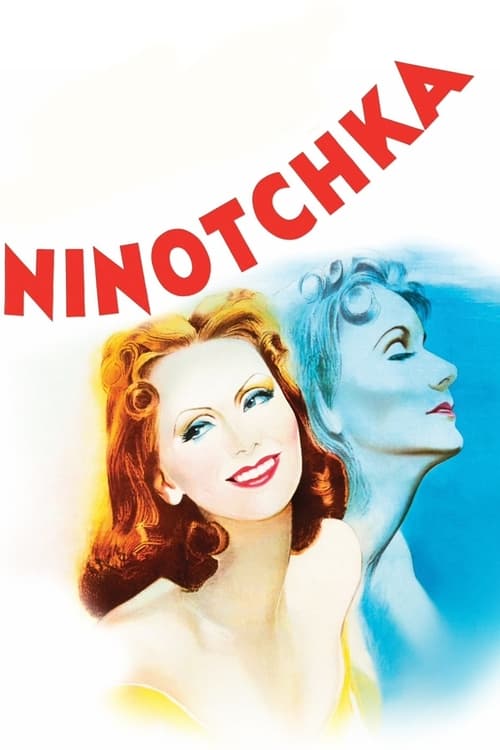
Ninotchka
Comedy · 1939
A stern Russian woman sent to Paris on official business finds herself attracted to a man who represents everything she is supposed to detest.
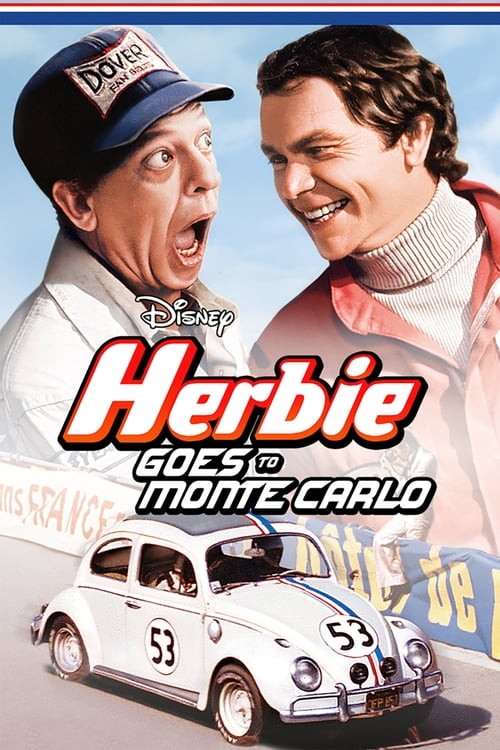
Herbie Goes to Monte Carlo
Romance · 1977
Herbie, the Volkswagen Beetle with a mind of its own, is racing in the Monte Carlo Rally. But thieves have hidden a cache of stolen diamonds in Herbie's gas tank, and are now trying to get them back.
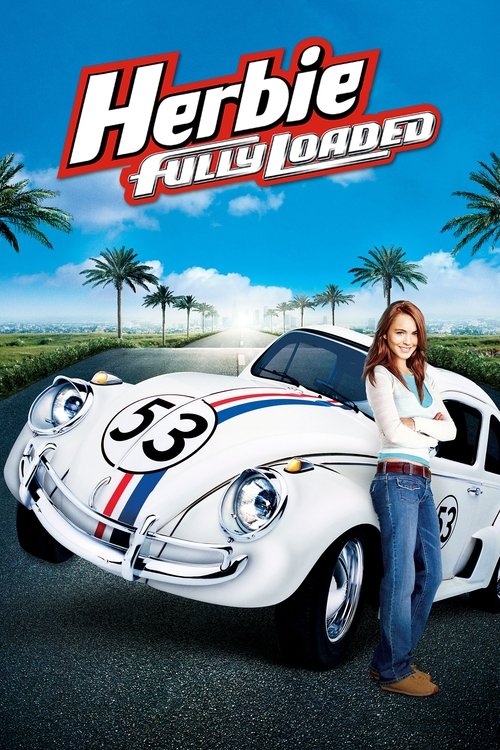
Herbie Fully Loaded
Comedy · 2005
Maggie Peyton, the new owner of Number 53 - the free-wheelin' Volkswagen bug with a mind of its own - puts the car through its paces on the road to becoming a NASCAR competitor.
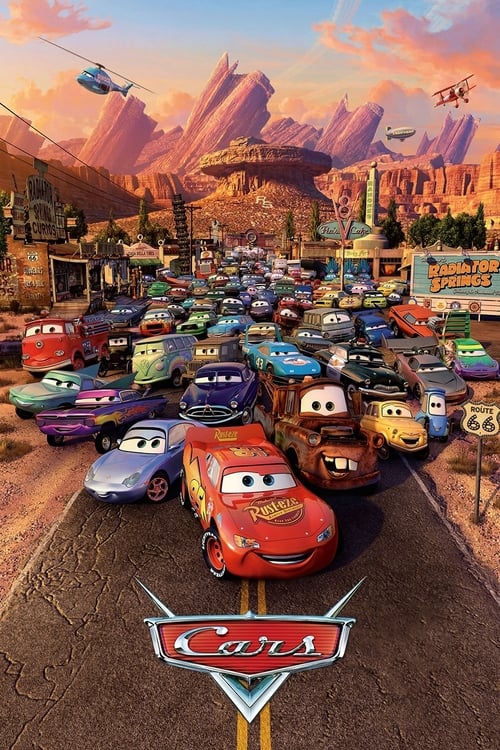
Cars
Animation · 2006
Lightning McQueen, a hotshot rookie race car driven to succeed, discovers that life is about the journey, not the finish line, when he finds himself unexpectedly detoured in the sleepy Route 66 town of Radiator Springs. On route across the country to the big Piston Cup Championship in California to compete against two seasoned pros, McQueen gets to know the town's offbeat characters.

Speed Racer
Family · 2008
Speed Racer is a young and brilliant racing driver. When corruption in the racing leagues costs his brother his life, Speed must team up with the police and the mysterious Racer X to bring an end to the corruption and criminal activities.
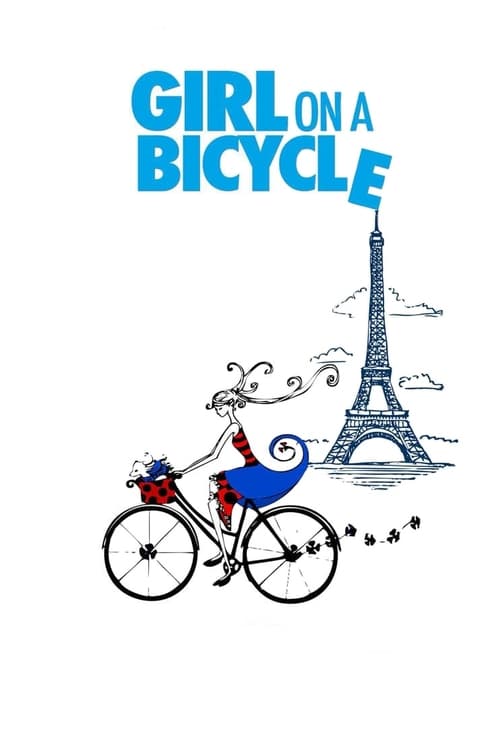
Girl on a Bicycle
Comedy · 2013
Paolo, an Italian tour bus driver living in Paris, has just summoned up the courage to propose marriage to his German girlfriend Greta. However, a chance encounter with a French woman on a bicycle the very next day turns Paolo's life upside down.
Cinema release signals and current streaming, rental, and purchase options for your region.
Streaming availability data supplied by JustWatch.
Cast & crew
Directed by
Blake Edwards
Written by
Arthur A. Ross
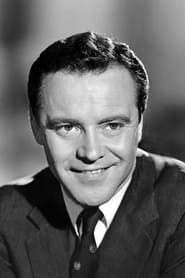
Jack Lemmon
Professor Fate
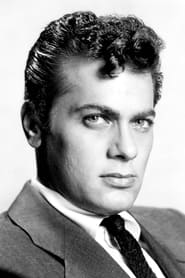
Tony Curtis
The Great Leslie

Natalie Wood
Maggie Dubois
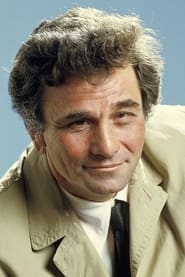
Peter Falk
Max
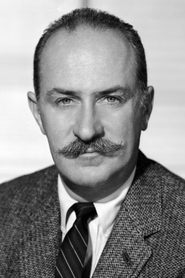
Keenan Wynn
Hezekiah
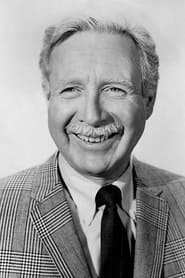
Arthur O'Connell
Henry Goodbody

Vivian Vance
Hester Goodbody
Two incompatible taste archetypes. One film. Read the arguments, then issue a completely binding cultural ruling.
“Sincerity is not manipulation.”
The film risks embarrassment to make emotion communal, and that openness is harder than fashionable detachment.
“The strings are showing.”
Every cue tells you exactly what to feel and when, leaving sentiment to do the work character should have done.