The defence The Sentimental Softie
“Sincerity is not manipulation.”
The film risks embarrassment to make emotion communal, and that openness is harder than fashionable detachment.
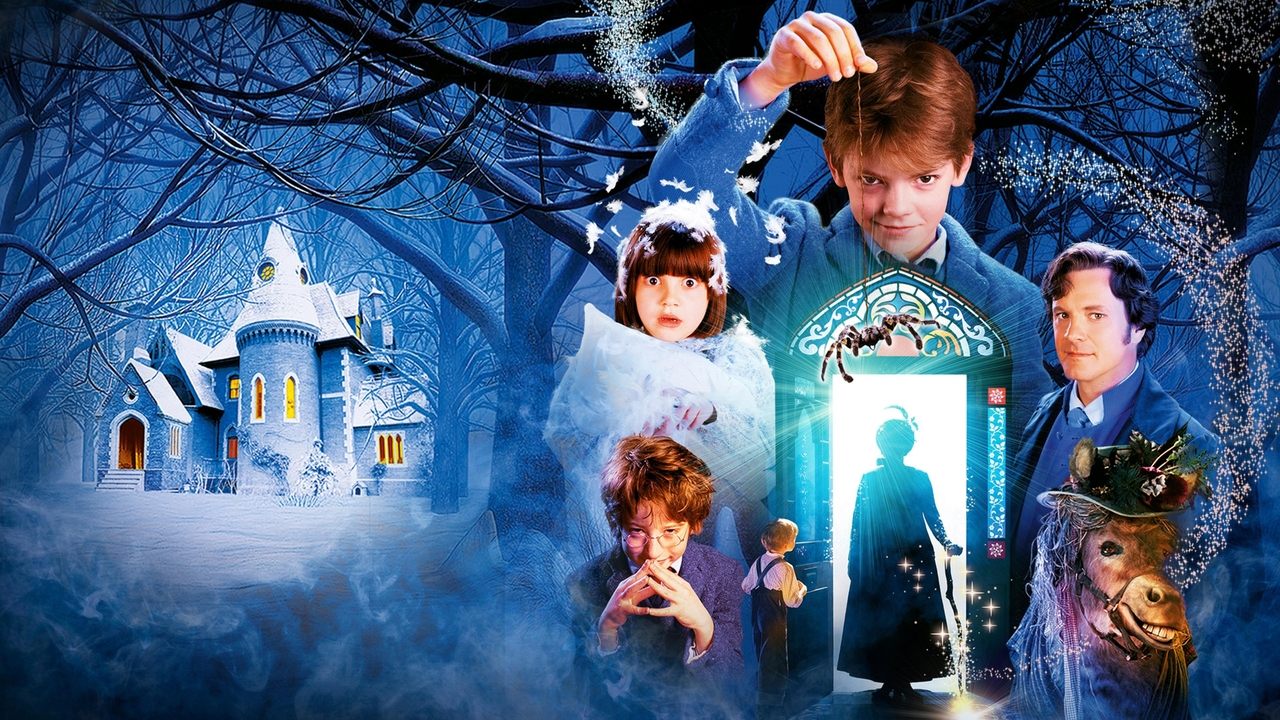
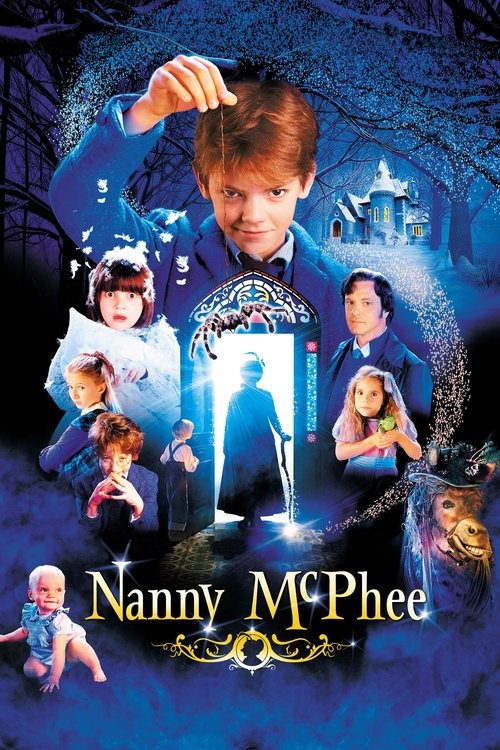
Nanny McPhee
Fantasy · Comedy · Family · 2005
Widower Cedric Brown hires Nanny McPhee to care for his seven rambunctious children, who have chased away all previous nannies. Taunted by Simon and his siblings, Nanny McPhee uses mystical powers to instill discipline. And when the children's great-aunt and benefactor, Lady Adelaide Stitch, threatens to separate the kids, the family pulls together under the guidance of Nanny McPhee.
“You'll learn to love her. Warts and all.”
Critical arithmetic
Scores change. Arguments endure.
TMDB
6.7 / 10
Community rating
Widower Cedric Brown hires Nanny McPhee to care for his seven rambunctious children, who have chased away all previous nannies. Taunted by Simon and his siblings, Nanny McPhee uses mystical powers to instill discipline. And when the children's great-aunt and benefactor, Lady Adelaide Stitch, threatens to separate the kids, the family pulls together under the guidance of Nanny McPhee.
Not a recommendation score. A measure of how closely the film’s taste signals resemble yours.
The archetype split
The Sentimental Softie
“You came to feel something, and you will.”
Read their caseThe Cool Ironist
“Feeling things is a little embarrassing.”
Read their objectionThe split comes from the same five-axis model used by the test, not audience ratings or review sentiment.
TMDB supplies the candidates. CriticWise reorders them by craft, strangeness, prestige, emotion, and pace.

Mary Poppins Returns
Fantasy · 2018
Mary Poppins returns to the Banks family and helps them evade grave dangers by taking them on magical, musical adventures.
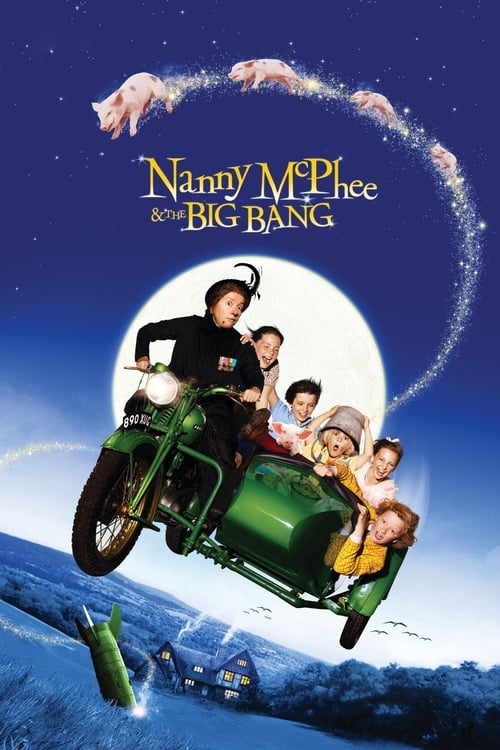
Nanny McPhee and the Big Bang
Comedy · 2010
Nanny McPhee appears at the door of a harried young mother who is trying to run the family farm while her husband is away at war. But once she’s arrived, Nanny discovers that the children are fighting a war of their own against two spoiled city cousins who have just moved in. Relying on everything from a flying motorcycle and a statue that comes to life to a tree-climbing piglet and a baby elephant, Nanny uses her magic to teach her mischievous charges five new lessons.
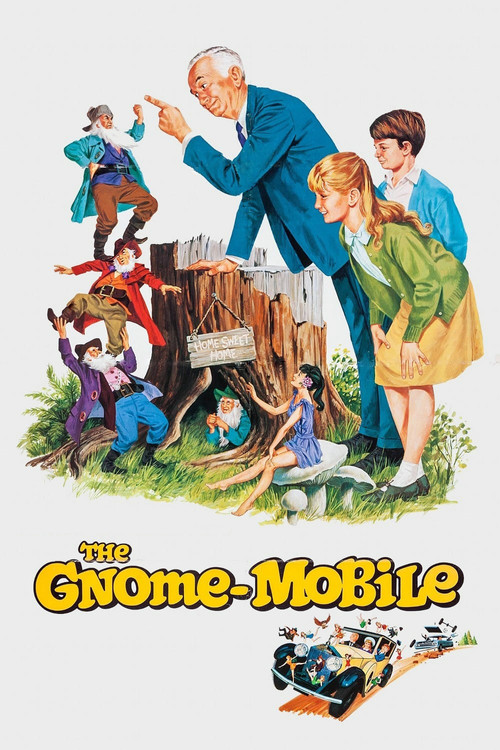
The Gnome-Mobile
Fantasy · 1967
An eccentric millionaire and his grandchildren are embroiled in the plights of some forest gnomes who are searching for the rest of their tribe. While helping them, the millionaire is suspected of being crazy because he's seeing gnomes! He's committed, and the niece and nephew and the gnomes have to find him and free him.

Sabrina the Teenage Witch
Fantasy · 1996
A girl, sent by her parents to live with her two eccentric aunts, finds out on her sixteenth birthday that she is a witch.

Imagine That
Family · 2009
A financial executive who can't stop his career downspiral is invited into his daughter's imaginary world, where solutions to his problems await.

Bogus
Fantasy · 1996
Recently orphaned, a young boy is taken in by his godmother who is shocked to realize that she can see the boy's imaginary friend: a flamboyant, French magician named Bogus.
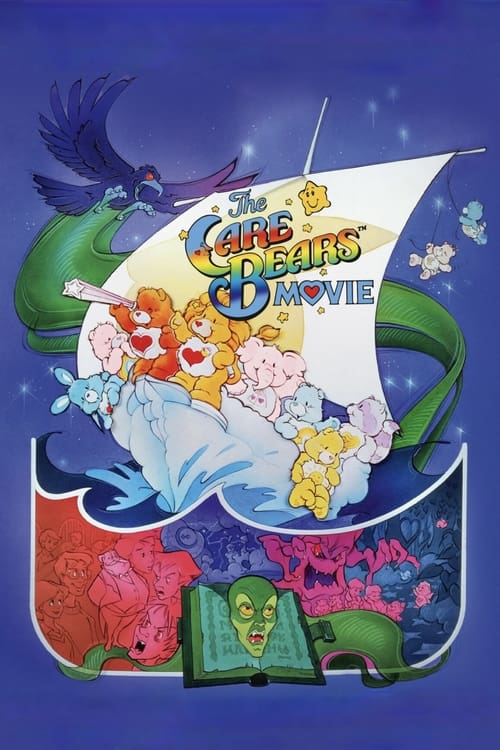
The Care Bears Movie
Adventure · 1985
The Care Bears team up with a troubled brother and sister who just moved to a new town to help a neglected young magician's apprentice whose evil spell book causes sinister things to happen.

The Chronicles of Narnia: Prince Caspian
Adventure · 2008
One year after their incredible adventures in the Lion, the Witch and the Wardrobe, Peter, Edmund, Lucy and Susan Pevensie return to Narnia to aid a young prince whose life has been threatened by the evil King Miraz. Now, with the help of a colorful cast of new characters, including Trufflehunter the badger and Nikabrik the dwarf, the Pevensie clan embarks on an incredible quest to ensure that Narnia is returned to its rightful heir.

Life with Father
Comedy · 1947
A straitlaced turn-of-the-century father presides over a family of boys and the mother who really rules the roost.

Mary Poppins
Comedy · 1964
In turn of the century London, a magical nanny employs music and adventure to help two neglected children become closer to their father.
Cinema release signals and current streaming, rental, and purchase options for your region.
Streaming availability data supplied by JustWatch.
Cast & crew
Directed by
Kirk Jones
Written by
Emma Thompson

Emma Thompson
Nanny McPhee

Colin Firth
Mr. Brown

Kelly Macdonald
Evangeline

Thomas Brodie-Sangster
Simon

Eliza Bennett
Tora

Jennifer Rae Daykin
Lily

Raphaël Coleman
Eric
Two incompatible taste archetypes. One film. Read the arguments, then issue a completely binding cultural ruling.
“Sincerity is not manipulation.”
The film risks embarrassment to make emotion communal, and that openness is harder than fashionable detachment.
“The strings are showing.”
Every cue tells you exactly what to feel and when, leaving sentiment to do the work character should have done.