The defence The Sentimental Softie
“Sincerity is not manipulation.”
The film risks embarrassment to make emotion communal, and that openness is harder than fashionable detachment.
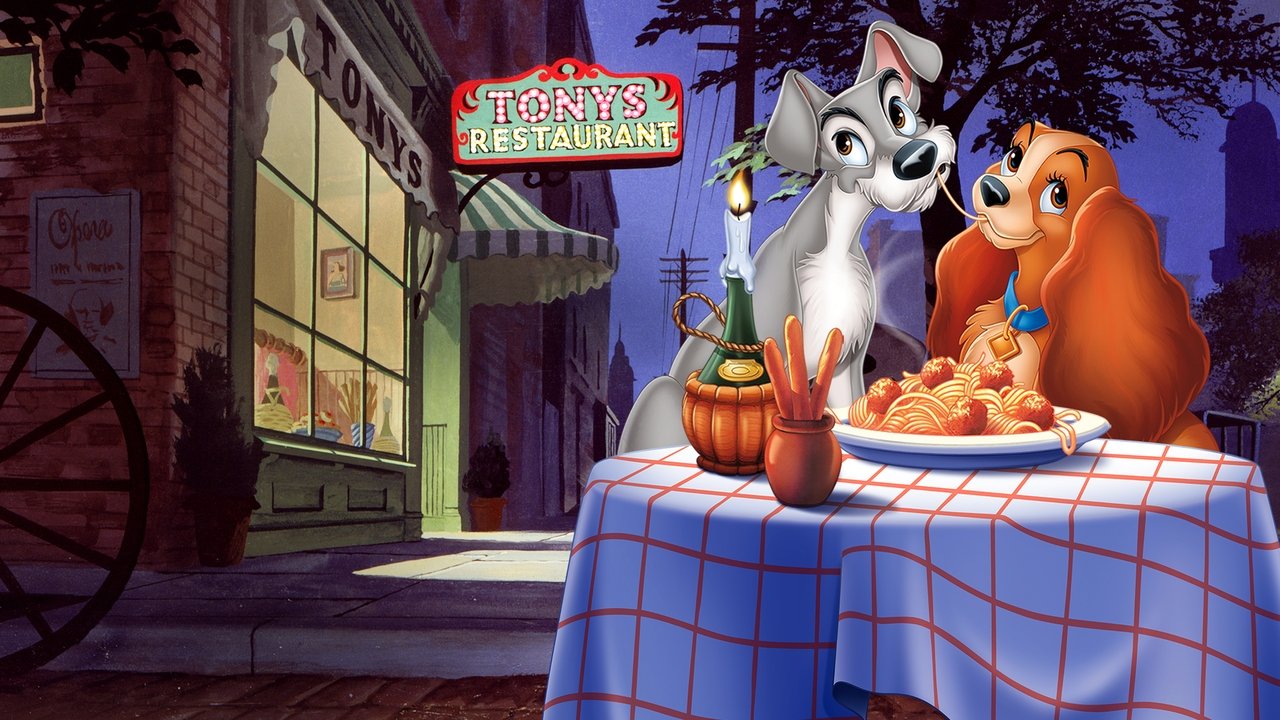
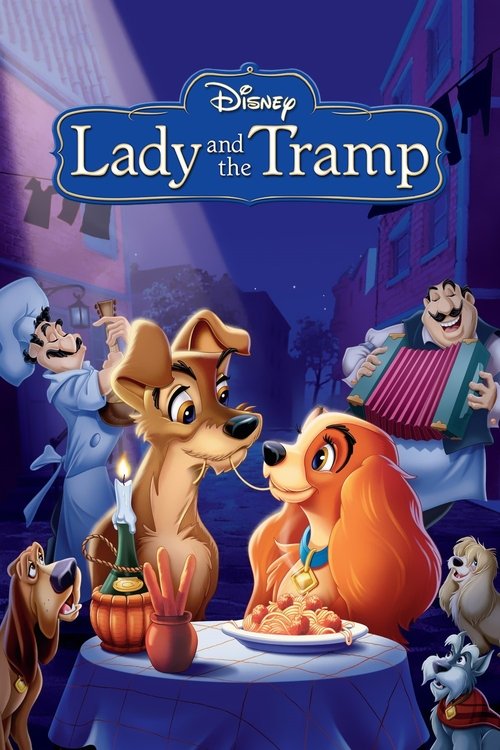
Lady and the Tramp
Animation · Family · Romance · 1955
Lady, a golden cocker spaniel, meets up with a mongrel dog who calls himself the Tramp. He is obviously from the wrong side of town, but happenings at Lady's home make her decide to travel with him for a while.
“She's from the leash and license set... he's footloose and collar free!”
Critical arithmetic
Scores change. Arguments endure.
TMDB
7.1 / 10
Community rating
Lady, a golden cocker spaniel, meets up with a mongrel dog who calls himself the Tramp. He is obviously from the wrong side of town, but happenings at Lady's home make her decide to travel with him for a while.
Not a recommendation score. A measure of how closely the film’s taste signals resemble yours.
The archetype split
The Sentimental Softie
“You came to feel something, and you will.”
Read their caseThe Cool Ironist
“Feeling things is a little embarrassing.”
Read their objectionThe split comes from the same five-axis model used by the test, not audience ratings or review sentiment.
TMDB supplies the candidates. CriticWise reorders them by craft, strangeness, prestige, emotion, and pace.
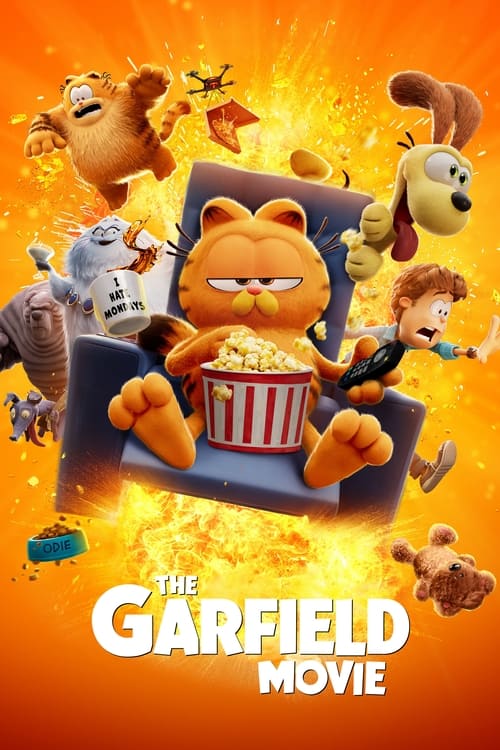
The Garfield Movie
Adventure · 2024
Garfield, the world-famous, Monday-hating, lasagna-loving indoor cat, is about to have a wild outdoor adventure! After an unexpected reunion with his long-lost father – scruffy street cat Vic – Garfield and his canine friend Odie are forced from their perfectly pampered life into joining Vic in a hilarious, high-stakes heist.
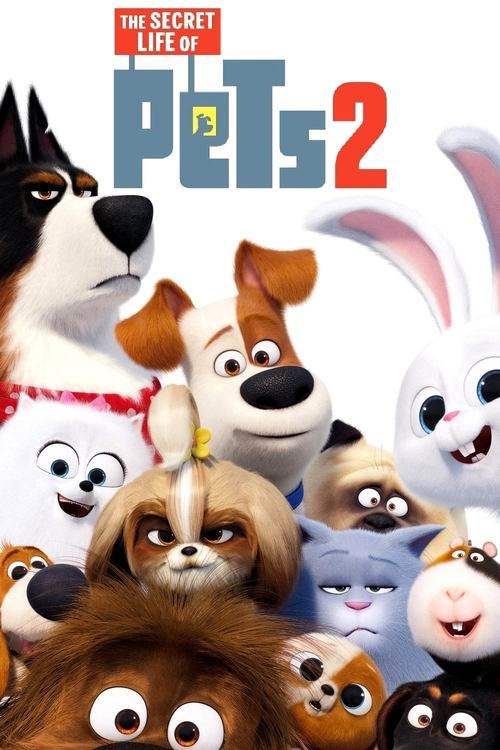
The Secret Life of Pets 2
Animation · 2019
Max the terrier must cope with some major life changes when his owner gets married and has a baby. When the family takes a trip to the countryside, nervous Max has numerous run-ins with canine-intolerant cows, hostile foxes and a scary turkey. Luckily for Max, he soon catches a break when he meets Rooster, a gruff farm dog who tries to cure the lovable pooch of his neuroses.

Gracie & Pedro: Pets to the Rescue
Animation · 2024
Family frenemies, Gracie and Pedro, must put their differences aside, embarking on a thrilling quest packed with perilous escapades in order to reunite with their owners.

Lady and the Tramp II: Scamp's Adventure
Animation · 2001
Lady and Tramp's mischievous pup, Scamp, gets fed up with rules and restrictions imposed on him by life in a family, and longs for a wild and free lifestyle. He runs away from home and into the streets where he joins a pack of stray dogs known as the "Junkyard Dogs." Buster, the pack's leader, takes an instant disliking to the "house-dog" and considers him a rival. Angel, a junkyard pup Scamp's age, longs for the safety and comfort of life in a family and the two become instant companions. Will Scamp choose the wild and free life of a stray or the unconditional love of his family?
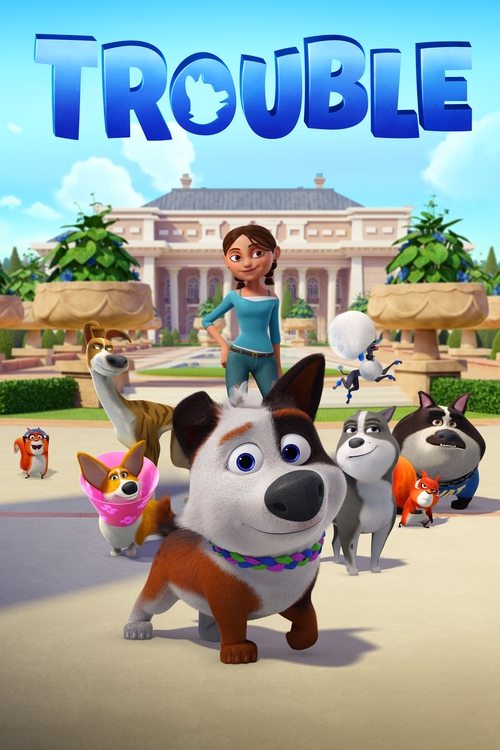
Trouble
Animation · 2019
A pampered dog named Trouble must learn to live in the real world while trying to escape from his former owner's greedy children and must learn how to survive on the big-city streets.
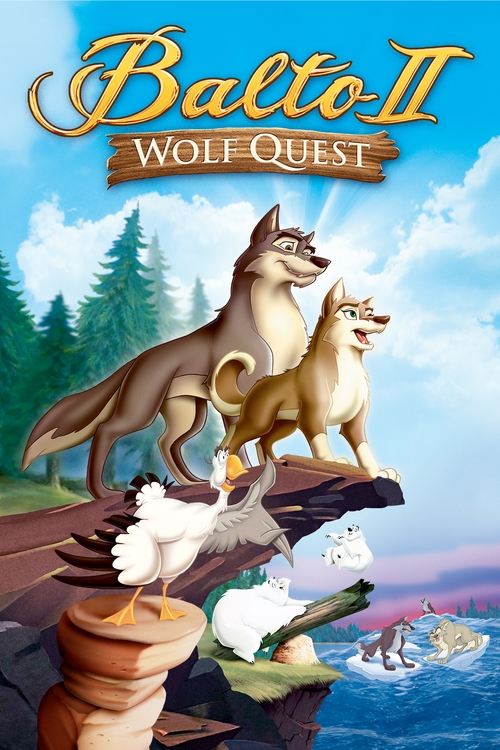
Balto: Wolf Quest
Family · 2002
Balto and his daughter Aleu embark on a journey of adventure and self discovery.
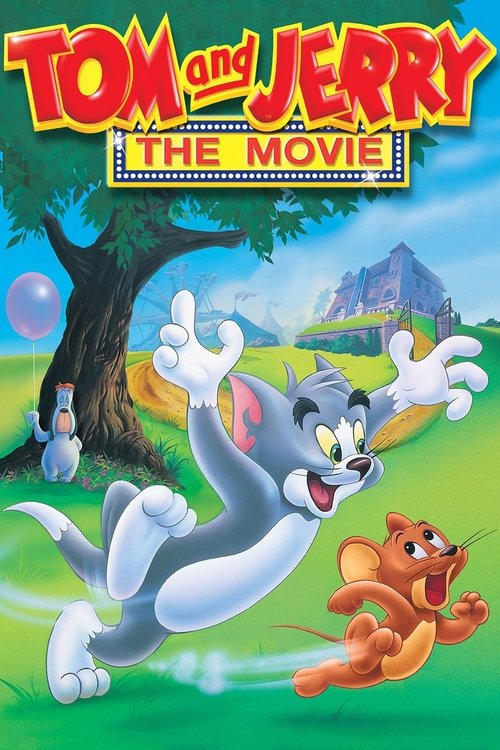
Tom and Jerry: The Movie
Animation · 1992
The popular cartoon cat and mouse are thrown into a feature film. The story has the twosome trying to help an orphan girl who is being berated and exploited by a greedy guardian.

Barbie Presents: Thumbelina
Animation · 2009
Meet a tiny girl named Thumbelina who lives in harmony with nature in the magical world of the Twillerbees that's hidden among the wildflowers. At the whim of a spoiled young girl named Makena, Thumbelina and her two friends have their patch of wildflowers uprooted and are transported to a lavish apartment in the city.
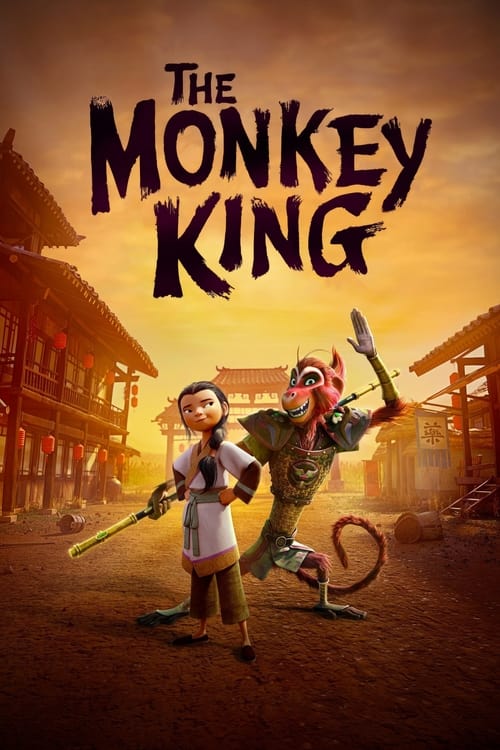
The Monkey King
Animation · 2023
A stick-wielding monkey teams with a young girl on an epic quest for immortality, battling demons, dragons, gods — and his own ego — along the way.
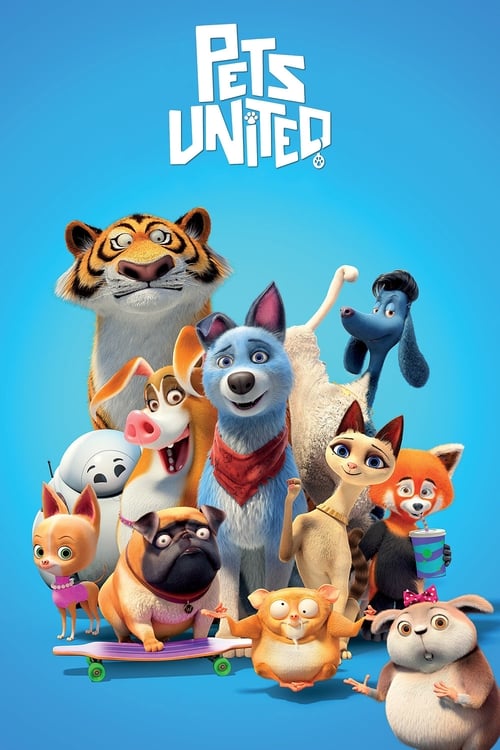
Pets United
Animation · 2019
When Roger (a Robin Hood-esque, stray dog) and Belle (an elegant yet spoilt pet cat) are thrown together amidst the chaos of a robot take-over of their home city, they must push all their preconceptions aside in order to survive, as they embark on a high-stakes, action-packed adventure.
Cinema release signals and current streaming, rental, and purchase options for your region.
Streaming availability data supplied by JustWatch.
Cast & crew
Directed by
Clyde Geronimi · Wilfred Jackson · Hamilton Luske
Written by
Joe Rinaldi · Don DaGradi · Ralph Wright · Erdman Penner

Barbara Luddy
Lady (voice)
Larry Roberts
Tramp (voice)

Peggy Lee
Darling / Si / Am / Peg (voice)

Bill Thompson
Jock / Bull / Policeman at Zoo / Dachsie / Joe (voice)

Bill Baucom
Trusty (voice)

Stan Freberg
Beaver (voice)

Verna Felton
Aunt Sarah (voice)
Two incompatible taste archetypes. One film. Read the arguments, then issue a completely binding cultural ruling.
“Sincerity is not manipulation.”
The film risks embarrassment to make emotion communal, and that openness is harder than fashionable detachment.
“The strings are showing.”
Every cue tells you exactly what to feel and when, leaving sentiment to do the work character should have done.