Taste Guides · Opening argument 05
Action movies where you can see what is happening
Impact matters. So does knowing who hit whom, where the exit is and why crossing the room just changed the scene.
Filed by
CriticWise Editorial
3 minute read · 294 words
Clarity is not the enemy of intensity
Fast cutting can create pressure, but confusion is not automatically excitement. Great action establishes geography, defines an objective and allows bodies, vehicles or weapons to change the situation in readable ways.
The films below use different visual languages, yet each understands that an action sequence is a scene with decisions—not a pause in the story for expensive movement.
Five films that know where everybody is
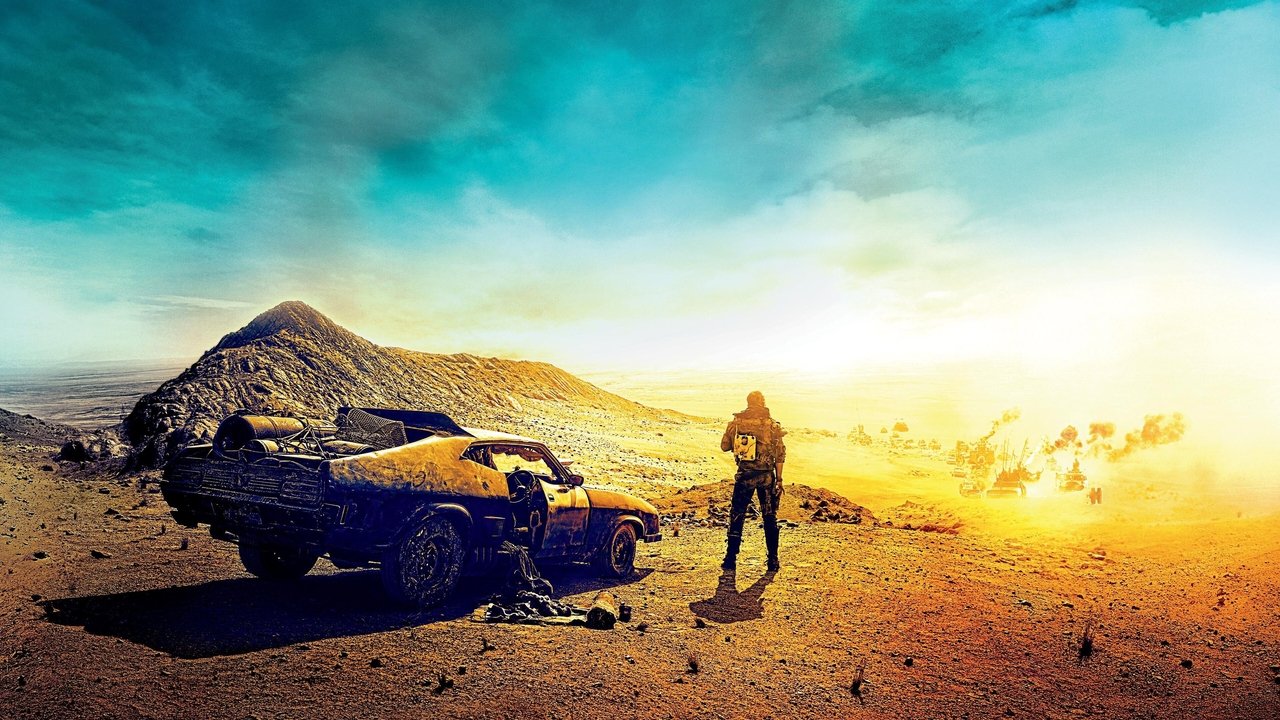
Mad Max: Fury Road
2015 · George Miller
Speed, eyelines and centred compositions keep a moving battlefield legible. Every new machine changes the tactical problem.
The Raid
2011 · Gareth Evans
A tower block supplies vertical progression and hard limits. The choreography is brutal, but its cause and effect are always visible.
Mission: Impossible – Fallout
2018 · Christopher McQuarrie
Practical scale is paired with clean objectives. Whether the scene uses fists, helicopters or a rooftop, the danger has a readable shape.
John Wick
2014 · Chad Stahelski
Wide framing and committed stunt performance allow rhythm to emerge from movement itself rather than editorial camouflage.
Crouching Tiger, Hidden Dragon
2000 · Ang Lee
Its fights are arguments about character, training and freedom. Grace does not reduce the stakes; it gives conflict a more expressive vocabulary.
Watch the decisions, not merely the damage
Fury Road is the masterclass in mobile geography. The Raid and John Wick emphasise bodies in space. Fallout integrates performance with escalating set pieces. Crouching Tiger turns choreography into emotional subtext.
When action is clear, spectacle becomes character. You remember not only that something extraordinary happened, but who chose it and what that choice cost.
“A great action scene is a chain of decisions moving too quickly to become dialogue.”