Taste DNA · Opening argument 07
What loving Mulholland Drive says about your movie taste
You did not demand that the dream explain itself. You noticed that confusion can be precise, desire can edit reality and a blue box is not customer support.
Filed by
CriticWise Editorial
3 minute read · 395 words
You prefer mysteries that alter the detective
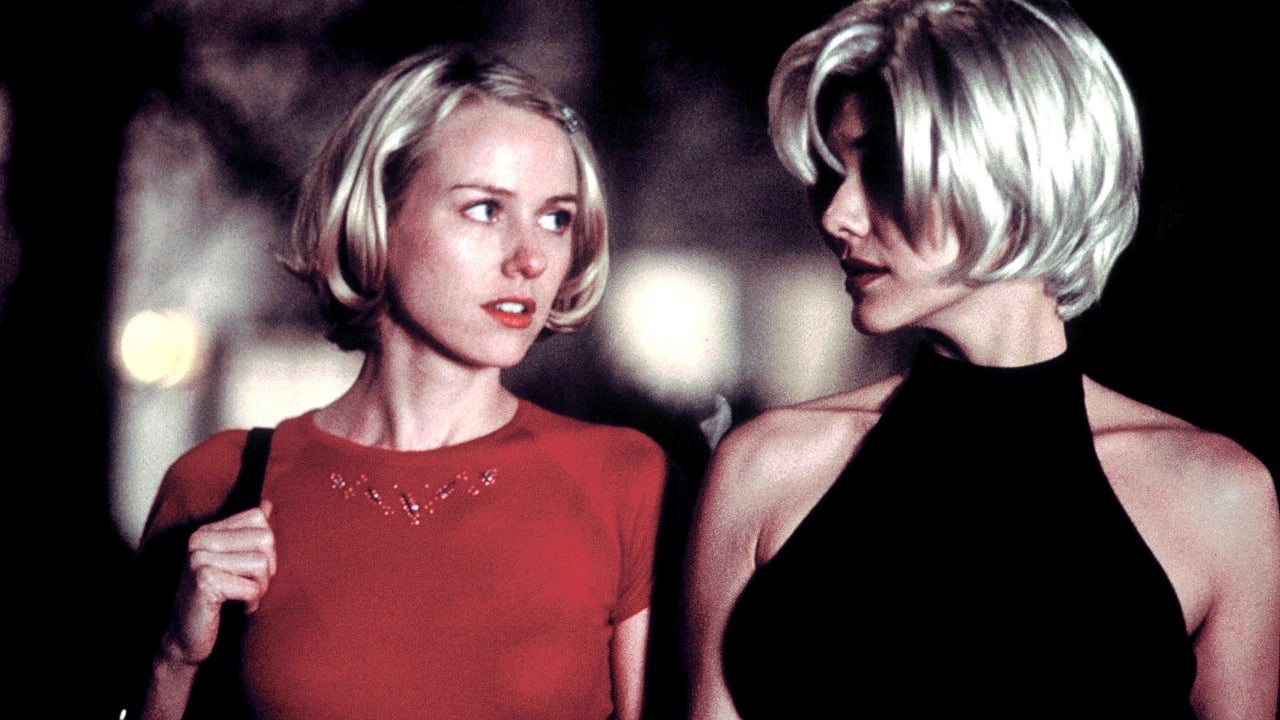
Mulholland Drive offers clues, doubles, names and objects with the confidence of a mystery, then refuses the ordinary promise that assembling them will return the viewer to stable ground. The investigation does not reveal a single external truth. It reveals how desire has reorganised the person doing the looking.
If the film feels exhilarating rather than evasive, you probably enjoy interpretation as an emotional activity. You want an answer to deepen the ache, not merely close the case.
Dream logic with exact consequences
David Lynch’s images are strange, but they are not random. Repeated colours, casting, performance styles and spaces build associations before the narrative changes its terms. Club Silencio states the method openly: the performance is constructed, yet the feeling it produces remains real.
Your taste likely values tone as evidence. A cut, sound or uncanny line reading can carry as much meaning as plot information, provided the film has taught you how to feel its pattern.
“You do not need every image decoded. You need every image to alter the dream.”
Your likely taste profile
High ambiguity tolerance
Uncertainty energises you when the film’s emotional design remains deliberate.
Atmosphere as information
Sound, colour and performance can tell you what a scene means before chronology can.
Identity under pressure
You return to stories where self-invention becomes both refuge and trap.
Low demand for realism
You will accept impossible events when they obey a persuasive psychic logic.
What to watch after Mulholland Drive
Try Persona for unstable identity, 3 Women for dreamlike doubling, Perfect Blue for performance and fractured selfhood, Lost Highway for Lynch at his most nocturnal, or Under the Silver Lake for another Los Angeles mystery poisoned by projection.
Your likely blind spot is treating opacity as automatic depth. A film need not explain itself, but it must reward the attention its uncertainty demands.