Taste DNA · Opening argument 06
What loving The Grand Budapest Hotel says about your movie taste
You noticed the symmetry. The film noticed that you prefer sadness when it arrives impeccably dressed and exactly on schedule.
Filed by
CriticWise Editorial
3 minute read · 381 words
The visible appeal: a world under total control
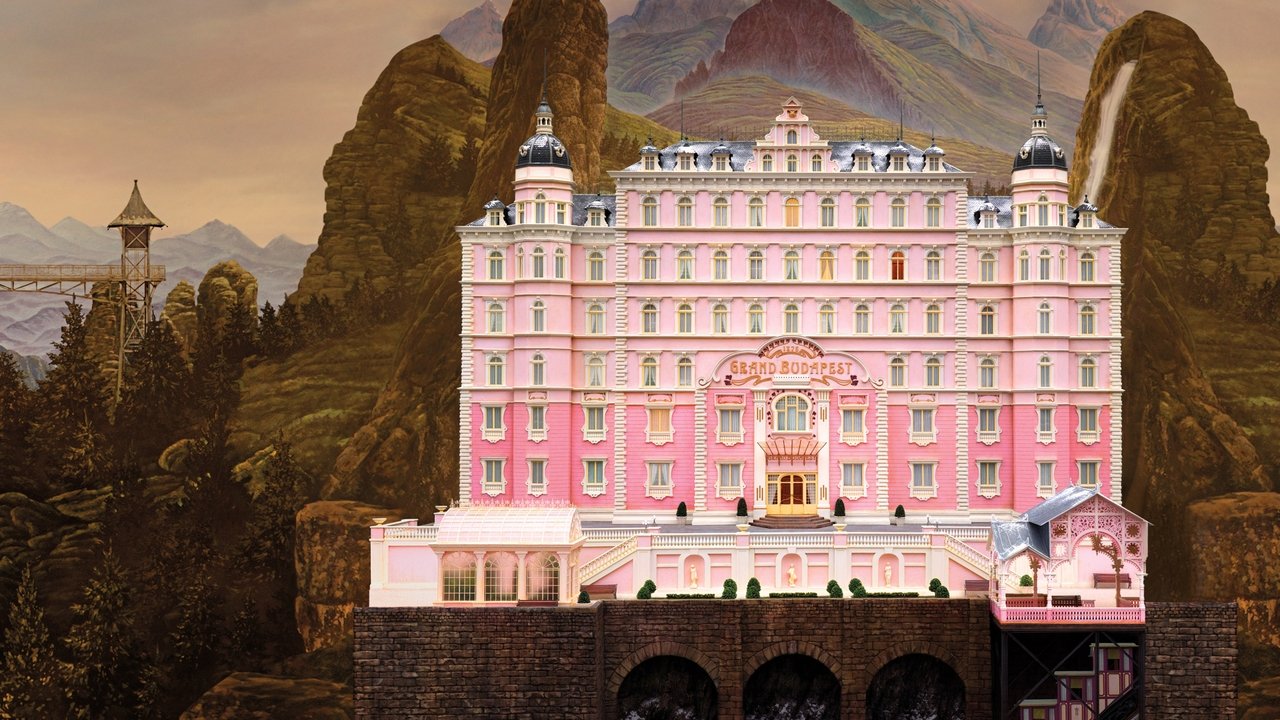
The Grand Budapest Hotel offers the immediate pleasure of visible design. Aspect ratios change with time periods, colour organizes emotional temperature and the camera moves as if the building has already rehearsed every entrance. Nothing appears accidental, including the accidents.
If this is your Wes Anderson favourite, you probably enjoy movies whose style does not disappear into realism. You want framing, costume, performance and music to announce that a particular intelligence has arranged the evening.
What the symmetry is protecting
The precision would be decorative without the historical pressure underneath it. The hotel is remembered after its world has already vanished; Gustave’s manners are both comic ritual and a fragile defence against encroaching brutality. Elegance matters because it cannot survive forever.
Your response suggests a taste for films that smuggle grief through comic form. Direct sentiment may make you suspicious, but accumulated objects, repeated phrases and a sudden change in tone can reach you before the defences are assembled.
“You do not dislike sentiment. You prefer it delivered by a concierge who refuses to make a scene.”
Your likely taste profile
Visible craft
You enjoy noticing the decisions: palettes, miniatures, blocking, typography and cuts are part of the entertainment.
Comic melancholy
You prefer humour and sadness in the same composition rather than separated into designated emotional scenes.
Controlled artificiality
A deliberately constructed world can feel more truthful to you than an imitation of ordinary life.
Ensemble rhythm
Character actors, precise timing and small entrances matter almost as much as the central plot.
What to watch after The Grand Budapest Hotel
Try The Young Girls of Rochefort for colour and movement, Amélie for storybook urban design, The Favourite for courtly manners used as weapons, or Paddington 2 for another prison sequence whose visual generosity is matched by moral seriousness.
Your likely blind spot is mistaking visible restraint for emotional depth. Formal precision can preserve feeling, but it can also keep the audience at a tasteful distance. The best next film is one whose surface attracts you and whose consequences eventually disturb the arrangement.