Split Decision · Opening argument 05
The Greatest Showman: the case for and against
The songs work. The history does not. Court will now determine how many structural offences can be dismissed after a sufficiently large chorus.
Filed by
CriticWise Editorial
3 minute read · 299 words
The charge
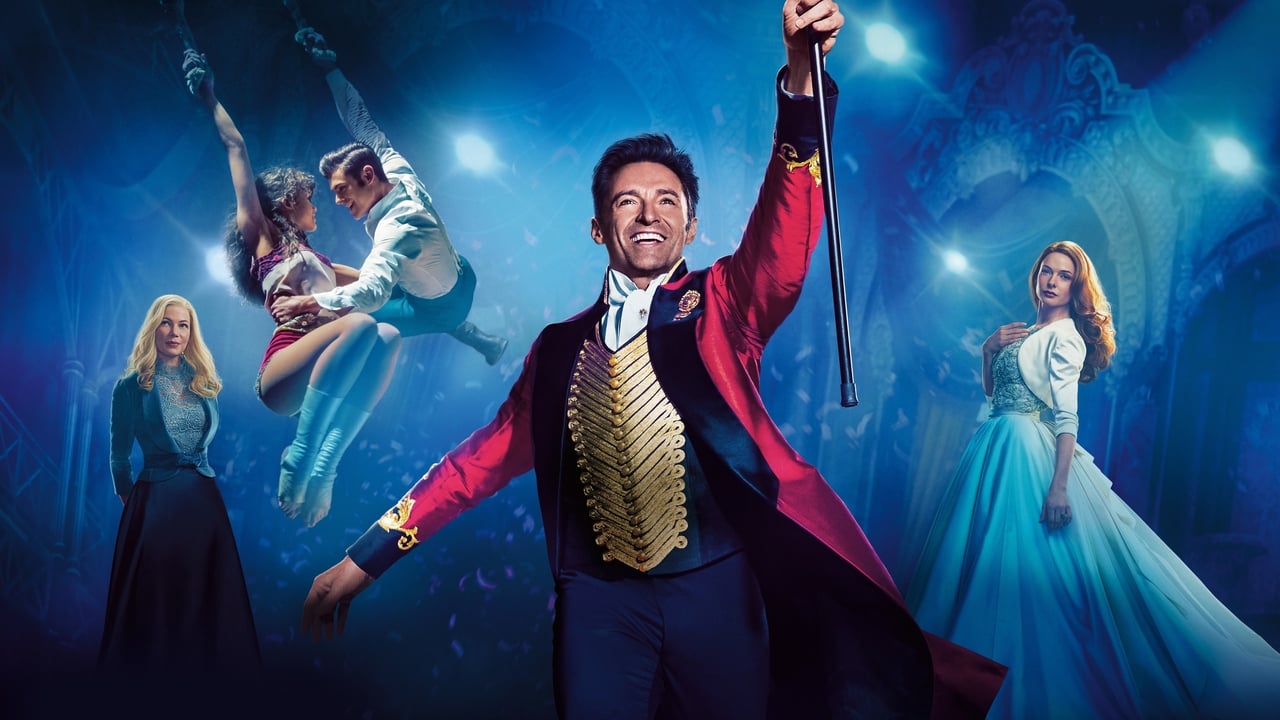
The Greatest Showman is charged with transforming exploitation, ambition and historical contradiction into frictionless uplift. Its inclusivity is emotionally explicit while the story’s material realities are polished until they reflect only the audience’s desire to feel good.
The defence does not deny the polishing. It asks whether a pop musical should be tried primarily as history or judged by its ability to create communal feeling through performance.
The defence
The film understands musical delivery. Songs arrive with clean emotional objectives, performers commit without embarrassment and the production builds crescendos designed to be carried out of the cinema.
For admirers, sincerity and replay value are not lesser achievements. The film offers belonging in a form that is broad, immediate and unusually resistant to critical dismantling.
The prosecution
Emotional clarity becomes moral simplification. The narrative celebrates outsiders while repeatedly centring the impresario who profits from displaying them, and difficult consequences are resolved at the speed required to reach the next anthem.
Spectacle is used not to examine contradiction but to outrun it. The result can feel like empowerment language applied as production design.
The actual taste fault line
The split is between viewers who consider direct emotional pleasure a legitimate primary goal and viewers who cannot separate that pleasure from the history being simplified to produce it.
The ruling: guilty of historical laundering, released immediately into the custody of an extremely effective soundtrack. Your response reveals how much narrative compromise you will accept in exchange for a perfectly timed key change.
“Some movies win the argument. The Greatest Showman waits for the chorus and makes the argument irrelevant.”