Split Decision · Opening argument 04
Skinamarink: the case for and against
For some viewers, the empty hallway becomes childhood terror. For others, it remains an empty hallway and has been doing so for quite some time.
Filed by
CriticWise Editorial
3 minute read · 307 words
The charge
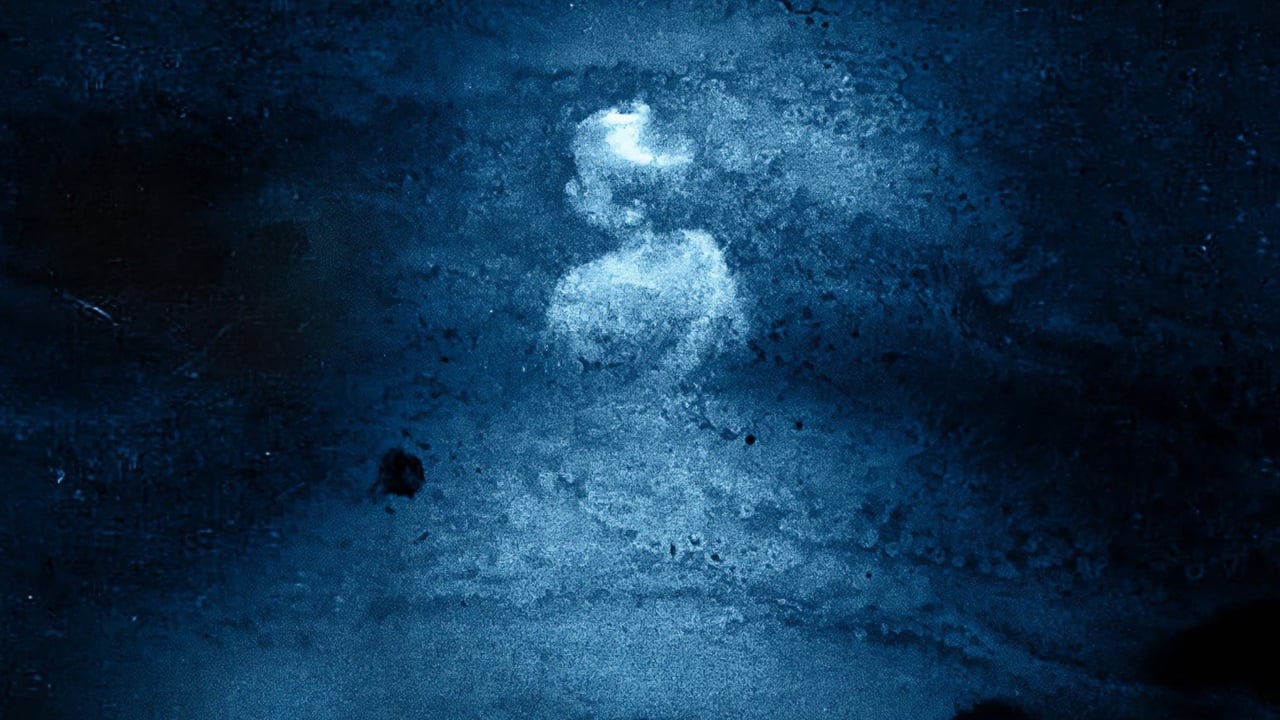
Skinamarink is accused of replacing development with duration. Its low angles, dark thresholds and degraded images repeat so insistently that viewers who do not enter its frequency can feel stranded outside an experiment that refuses to begin.
The defence argues that conventional beginning is precisely what the film removes. It recreates the suspended logic of childhood fear, when time stretches and the architecture of home stops providing reassurance.
The defence
The near-absence of faces and explanatory space forces the viewer to scan darkness for evidence. Familiar objects become coordinates in a world whose rules are quietly disappearing.
For susceptible viewers, patience becomes participation. The film does not show a remembered nightmare so much as restore the helpless attention with which a child once waited through one.
The prosecution
An audience cannot be ordered into hypnosis. The same formal restriction that creates dread can make each image interchangeable, while withholding character and progression removes the emotional leverage that might justify the endurance test.
Calling boredom intentional does not automatically transform it into productive boredom. A deliberate effect is still available for judgement.
The actual taste fault line
The divide concerns how much imaginative labour a film may transfer to its audience. Viewers who enjoy negative space and sensory immersion may find the minimal evidence inexhaustible. Plot-driven viewers may see an atmosphere stretched beyond its carrying capacity.
The ruling: case dismissed because the jury cannot agree that the same movie occurred. That radical dependence on viewer participation is both Skinamarink’s achievement and its limitation.
“If you supply the fear, the film is terrifying. If you do not, it has very little with which to replace it.”