Split Decision · Opening argument 06
Oppenheimer: the case for and against
One side sees history converted into urgent cinema. The other hears three hours of significance being underlined by a soundtrack that has misplaced the indoor voice.
Filed by
CriticWise Editorial
3 minute read · 386 words
The charge
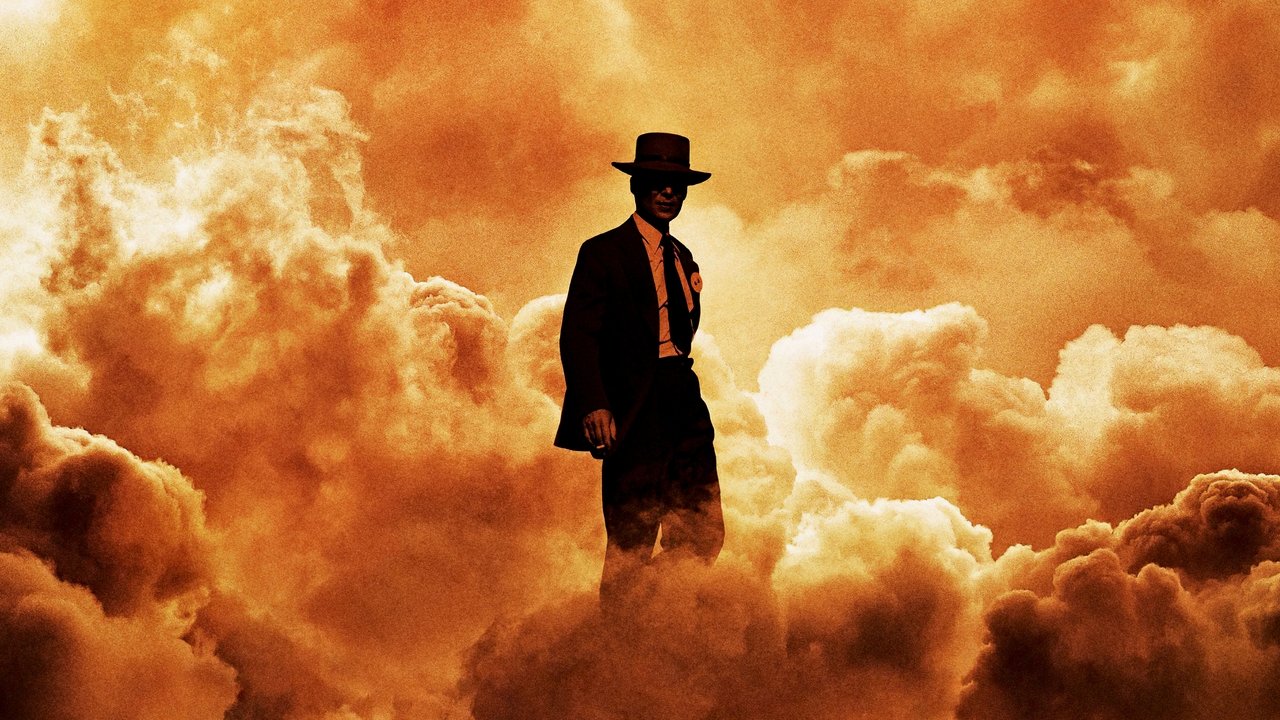
Oppenheimer is charged with turning intellectual history into a prestige thriller whose velocity can flatten the very moral complexity it wants to examine. The film asks for sustained attention while rarely allowing a scene to settle without music, montage or another consequential man entering a room.
The disagreement begins with that pressure. Admirers experience momentum as thought made cinematic; detractors experience the same technique as an insistence that every exchange has already been certified important.
The defence
Christopher Nolan gives abstract work physical consequence. Equations, committee hearings, professional rivalries and security procedures become parts of one accumulating machine. Large-format imagery is used not only for spectacle but to put faces, landscapes and imagined destruction under uncomfortable scrutiny.
The fractured chronology also makes a defensible moral choice. Oppenheimer’s triumph, political humiliation and later self-conception arrive together, preventing scientific achievement from enjoying a clean heroic act before consequences interrupt. The film is subjective enough to indict his limitations without pretending to escape them.
The prosecution
Subjectivity is also the central weakness. The victims of the bomb remain largely outside the frame while Oppenheimer’s guilt becomes a vast interior spectacle. That exclusion can be read as a critique of his perspective, but the film still devotes most of its emotional architecture to the burden carried by the man who helped build the weapon.
The women around him receive forceful performances but limited interior space, and the security-hearing structure sometimes converts political history into the cleaner satisfactions of a courtroom reversal. Complexity is present; the machinery still prefers a verdict.
The actual taste fault line
The split is between viewers who welcome maximal form as a way into difficult history and viewers who believe the formal excitement risks centring genius, guilt and institutional intrigue over human consequence. Both sides are responding to the same design: an intimate character study engineered with blockbuster force.
The ruling: formally commanding, historically selective and guilty of making administrative procedure feel suspiciously exhilarating. Your verdict depends on whether cinematic intensity deepens moral attention or substitutes for it.
“Oppenheimer turns consequence into momentum, then asks whether momentum was ever an innocent pleasure.”